Bettor Harassment Bans Gain League Support
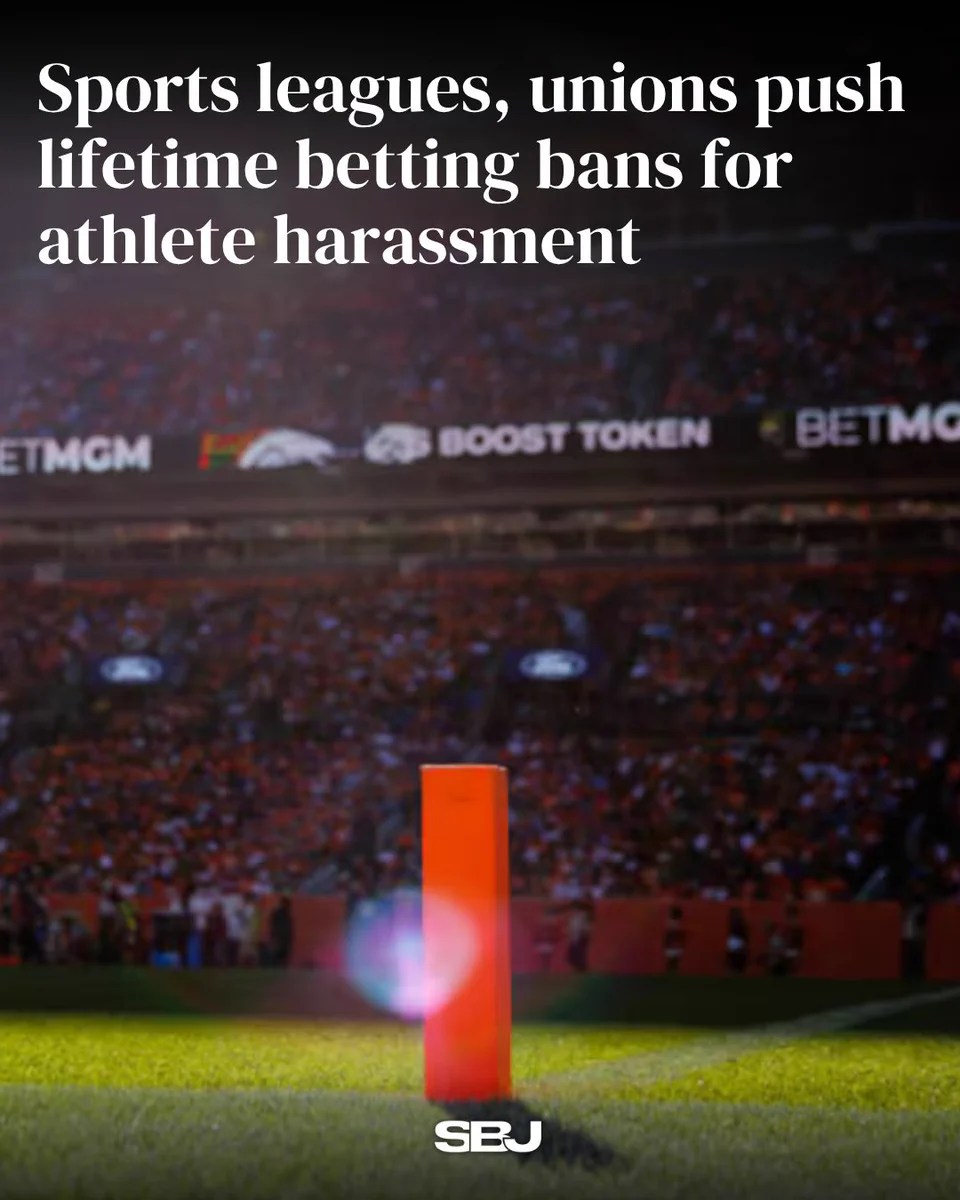
Sports betting has made every missed free throw, dropped pass, and late scratch feel personal to some angry bettors. That is why bettor harassment bans are now moving from locker-room complaint to state policy debate. According to Legal Sports Report, major pro leagues and player associations are calling on states to block abusive bettors from wagering when they target athletes, coaches, officials, or their families. The push matters because legal sports betting is no longer a side market. It is tied into broadcasts, team sponsorships, mobile apps, and fan habits. But a regulated market cannot shrug at threats and slurs as background noise. If states want betting to look mature, they need rules that protect the people on the field as much as the money moving through the apps.
What Matters Now
- Leagues want state action, not only sportsbook house rules, because licensing gives regulators real authority.
- Player protection is the center issue, especially after athletes have described direct abuse linked to lost bets.
- Enforcement will be hard unless states define harassment clearly and share data across operators.
- Sportsbooks have a role, since they control account access and already monitor risky customer behavior.
Why Bettor Harassment Bans Are on the Table
The sports betting boom changed the tone of fan anger. A bad performance used to bring boos, talk-radio rants, and ugly social media posts. Now some bettors attach a dollar figure to that anger and send it straight to an athlete’s inbox.
Legal Sports Report says pro leagues and players are urging states to create bans for bettors who harass sports participants. The idea is simple. If you use regulated betting markets and then threaten or abuse the people tied to your wagers, you should lose access to those markets.
The old warning signs are no longer enough.
This is not about shielding athletes from criticism. Fans can complain. Media can scrutinize. But threats, racist abuse, family references, and targeted intimidation sit in a different category. Why should a person keep betting legally after using that access as fuel for harassment?
How Bettor Harassment Bans Could Work
State regulators already have tools they can adapt. Most legal betting states can suspend accounts, order operators to act, and penalize licensees that ignore compliance duties. The harder part is building a fair process that moves fast without turning every angry post into a lifetime ban.
A workable model would likely need several layers:
- Clear definitions: Rules should separate protected speech from threats, doxxing, discriminatory abuse, stalking, or direct intimidation.
- Complaint channels: Athletes, leagues, unions, officials, and teams need a standard way to submit evidence.
- Operator review: Sportsbooks should match verified cases to customer accounts where possible.
- Regulator oversight: States should decide longer bans, appeals, and cross-operator restrictions.
- Due process: Bettors should have a way to challenge mistaken identity or weak evidence.
Think of it like a stadium ejection policy, but for mobile betting. If you cross a line in the arena, security can remove you. If you cross a line through a betting account, regulators should have a similar tool, with tighter records and appeal rights.
The strongest version of this policy is narrow, documented, and enforceable. The weakest version is a press release that sounds tough but leaves sportsbooks guessing.
Bettor Harassment Bans and the Sportsbook Problem
Sportsbooks cannot pretend they are bystanders. They built products that make in-play betting fast, emotional, and constant. That does not make them responsible for every abusive message, but it does give them a front-row role in prevention.
Operators already monitor accounts for fraud, bonus abuse, self-exclusion, unusual betting patterns, and payment risk. Adding a harassment-related restriction would not be alien to compliance teams. It would, however, require coordination with leagues and regulators, especially if the abusive conduct happens on social platforms rather than inside the betting app.
What operators should prepare for
- Account terms that allow suspension for verified harassment tied to sports betting.
- Internal review teams trained to handle threats and identity matching.
- Reporting pathways to state regulators and, in serious cases, law enforcement.
- Data retention rules that protect privacy while preserving evidence.
- Customer messaging that explains the boundary before a case ever happens.
Here’s the thing. If a sportsbook can limit a customer for suspicious betting, it can limit a customer who threatens a player over a wager. The policy question is not whether action is possible. It is who sets the standard and how consistently it gets applied.
What Bettor Harassment Bans Mean for Players
For players, this is about workplace safety. Athletes perform in public, but public performance does not erase their right to live without targeted abuse. Player unions have been loud on this point because the problem reaches beyond superstars with security teams.
College athletes may be even more exposed. Many are young, visible online, and easier to contact than pros. The NCAA has already pushed for limits on college prop bets in some states, citing athlete harassment and integrity concerns. That thread runs through this debate too.
There is also a mental load here. A player who misses a shot should not spend the night reading threats from people who lost a same-game parlay. Teams can offer support, but state policy sends a stronger signal. The market has rules, and people are part of that market.
Where Regulators Need to Be Careful
A ban system can go wrong if it is vague. Regulators should avoid rules that treat ordinary criticism as punishable conduct. They should also avoid lifetime penalties for first-time cases unless the facts are severe.
A better approach is tiered enforcement. A verified threat could trigger an immediate suspension while regulators review the case. Repeated abuse, doxxing, or contact with family members could lead to longer exclusion across licensed books in the state.
States also need to decide whether bans follow a bettor across state lines. That gets tricky. Sports betting is regulated state by state, and operators hold different licenses in different markets. Without shared standards, a banned bettor in one state may keep wagering in another.
Questions states should answer before passing rules
- Who can file a complaint, and what evidence is required?
- What conduct triggers a temporary suspension?
- How long should bans last for first and repeat offenses?
- Can banned bettors appeal, and who hears the appeal?
- Will regulators publish anonymized enforcement data?
Honestly, the last point matters more than it sounds. Public data would show whether the policy is real or symbolic. It would also help operators, leagues, and players understand what conduct regulators are actually punishing.
The Integrity Angle Behind Bettor Harassment Bans
Harassment is a safety issue first, but it also touches sports integrity. If athletes believe angry bettors can reach them without consequence, pressure builds around the edges of competition. That is bad for leagues, bad for sportsbooks, and bad for fans who want fair games.
Legal markets sell themselves as safer than offshore betting because they are regulated. This is where that claim gets tested. A regulated book cannot control every customer’s temper, but the system can remove people who turn betting losses into threats.
There is a commercial angle too. Leagues have spent years taking sportsbook money while telling fans betting can be entertainment. That pitch carries a duty. If the industry profits from wagers attached to player performance, it should help fund the guardrails that protect those players.
What Happens Next
Expect more state hearings on bettor harassment bans, especially in large betting markets and states with active player union lobbying. Lawmakers like clear villains, and abusive bettors are not a hard sell politically. The details will decide whether these proposals become useful policy or soft theater.
The practical next step is boring, which is usually a good sign. States should write narrow rules, force operators to honor verified bans, and publish enforcement numbers. If legal sports betting wants to be treated like a grown-up industry, this is one of the bills coming due.