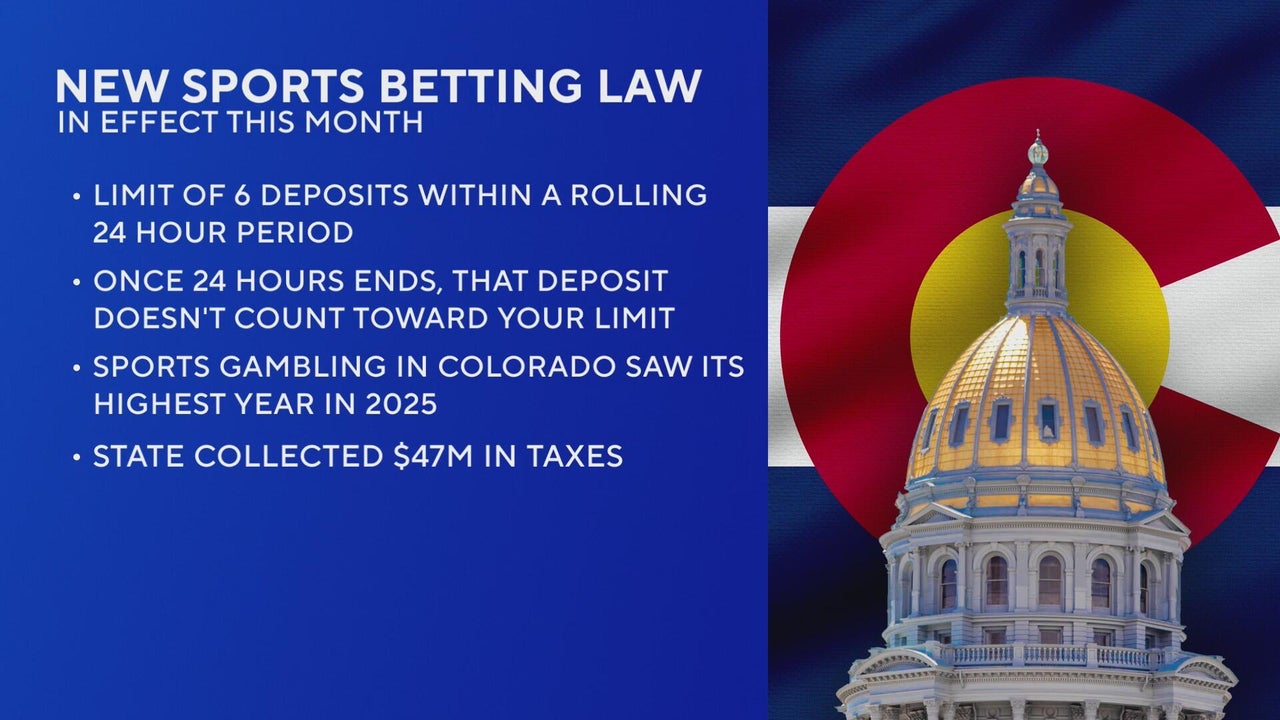
Colorado Sports Betting Law Tightens Promo Tax Rules
The NFL season brings the loudest betting push of the year, and Colorado just changed the math behind those flashy sportsbook offers. The Colorado sports betting law now in effect ends a tax break that let operators deduct promotional bets from taxable revenue, according to KJCT8. That matters because free bets and bonus credits are a core part of how sportsbooks chase new customers during football season. For you, the immediate experience may look familiar. Apps will still post odds, offer promos, and take wagers. But behind the screen, the state has narrowed a deduction that critics saw as too generous to operators and too weak for public revenue, including money tied to Colorado water projects.
What Changed
- Sportsbooks can no longer deduct promotional bets from taxable proceeds in the same way they did under the old framework.
- The timing hits the NFL rush, when betting volume and promo spending usually climb.
- Bettors should read offer terms, since operators may adjust bonus size, rollover rules, or targeting.
- Colorado’s tax policy now puts more pressure on gross gaming revenue, not marketing giveaways.
- Affiliates and media buyers should expect tighter promo language from sportsbook partners.
Why the Colorado Sports Betting Law Matters Now
Colorado legalized sports betting through Proposition DD, which voters approved in 2019. The market went live in 2020, and the state set a 10% tax on sportsbook net proceeds, with revenue aimed in large part at the Colorado Water Plan.
The catch was the promotional deduction. Sportsbooks could subtract free bets and bonus credits before calculating taxable proceeds, which reduced the amount sent to the state. Lawmakers later moved to phase down that deduction, and the latest change lands just as football betting starts to swell.
That loophole is now shut.
Look, I have covered betting regulation long enough to know that tax tweaks rarely sound exciting. But this one sits right where policy meets marketing, because sportsbooks use promos like grocery stores use coupons. They bring people through the door, then hope repeat behavior pays for the discount.
Colorado’s move does not ban sportsbook promotions. It changes how those promotions count for tax purposes, which can still reshape what bettors see on the app.
Will the Colorado Sports Betting Law Change Your Bets?
Your basic betting menu should not change because of this law. You can still bet on NFL spreads, totals, moneylines, parlays, props where allowed, and futures through licensed operators in Colorado.
The bigger question is whether operators pull back on bonus offers. Why would a sportsbook give away the same level of credits if those credits no longer soften the tax bill? Some will keep spending to defend market share, especially during NFL weekends. Others may trim offers or reserve the best deals for higher-value customers.
That means you should compare offers with more care. A $200 bonus with a high playthrough requirement can be worse than a $50 bet credit with cleaner terms. The number on the banner is only the bait (and football season is full of bait).
What to check before you claim a promo
- Expiration window: Some credits disappear within days, which can push rushed bets.
- Minimum odds: A bonus may require bets at certain odds before winnings can be withdrawn.
- Deposit requirement: Match offers often require your cash first.
- Eligible markets: Not every promo works on parlays, futures, live bets, or player props.
- Withdrawal rules: Read whether you keep the stake, the winnings, or only part of the value.
What Sportsbooks May Do Next
Operators are not charities. If a tax deduction disappears, finance teams will look for the cost somewhere else. That does not mean every app will become stingy overnight, but it does mean the promo arms race may become more selective.
Expect sharper segmentation. A casual bettor may see smaller sign-up offers, while a high-frequency NFL bettor may still receive reload credits, parlay boosts, or odds boosts. Sportsbooks have years of customer data now, and they know which users respond to which offers.
There is also a branding issue. In crowded markets, a sportsbook cannot vanish from the promo feed during Week 1 and expect customers to remember it in Week 8. The smarter operators will shift from blunt cash-style giveaways to targeted, lower-cost offers that feel useful without giving away as much taxable value.
Colorado Sports Betting Law and State Revenue
The public-policy argument is simple. If legal betting creates taxable revenue, the state wants the tax base to reflect betting activity rather than be thinned by marketing credits. Colorado’s sports betting tax revenue has been linked to water funding, which gives the debate a local edge that pure gambling policy often lacks.
That does not make every dollar predictable. Sports betting revenue swings with hold percentage, betting volume, event calendar, and customer wins. A great NFL weekend for bettors can be a weak tax week for the state, while a rough Sunday for parlays can send more taxable revenue upward.
Still, ending the promotional deduction should give Colorado a cleaner claim on sportsbook proceeds. Think of it like a stadium changing how it counts concession sales after years of letting vendors subtract free samples. The crowd may not notice right away, but the books behind the counter look different.
What Affiliates and Betting Media Should Watch
Affiliates should pay attention because promo economics drive acquisition deals. If operators reduce bonus budgets, they may also revisit commission rates, CPA offers, and campaign approvals. Smaller media partners usually feel those shifts before national publishers do.
Copy standards may tighten too. Sportsbooks will want cleaner descriptions of bonus value, eligibility, and state limits. If you run betting content, do not bury terms under hype. Regulators and operators have both become less patient with sloppy promo claims.
- Update Colorado bonus pages before the NFL calendar gets busy.
- Confirm current offer terms directly with each licensed operator.
- Avoid calling any bet risk-free unless the operator uses that exact approved language.
- Separate bonus credits from withdrawable cash in your copy.
- Track whether conversion rates fall as offer sizes change.
The Bettor’s Practical Move
The smart play is boring, but it works. Treat every bonus as a contract, not a gift. If the rules are fuzzy, skip it or use a lower stake until you understand the cost.
Also, keep records. Screenshots of offer terms, bet slips, and expiration dates can save you a long support chat later. This is especially useful during NFL kickoff weeks, when support queues get crowded and promos change fast.
And ask the blunt question before opting in: would you still make this bet without the bonus? If the answer is no, the promo is steering the wheel.
What Comes Next in Colorado
Colorado’s betting market is no longer new, and that changes the political mood. Early debates focused on launch, licensing, and consumer access. Now lawmakers are looking at tax yield, responsible gambling, advertising standards, and whether the state is getting a fair return.
That is the normal second act for legal sports betting. First comes market opening. Then comes the argument over who really benefits when the apps become part of Sunday football.
For bettors, the next step is simple: compare promos less by headline value and more by usable value. For operators, the message from Colorado is sharper. The state still wants a legal, active betting market, but it is less willing to let marketing spend eat into the public cut.