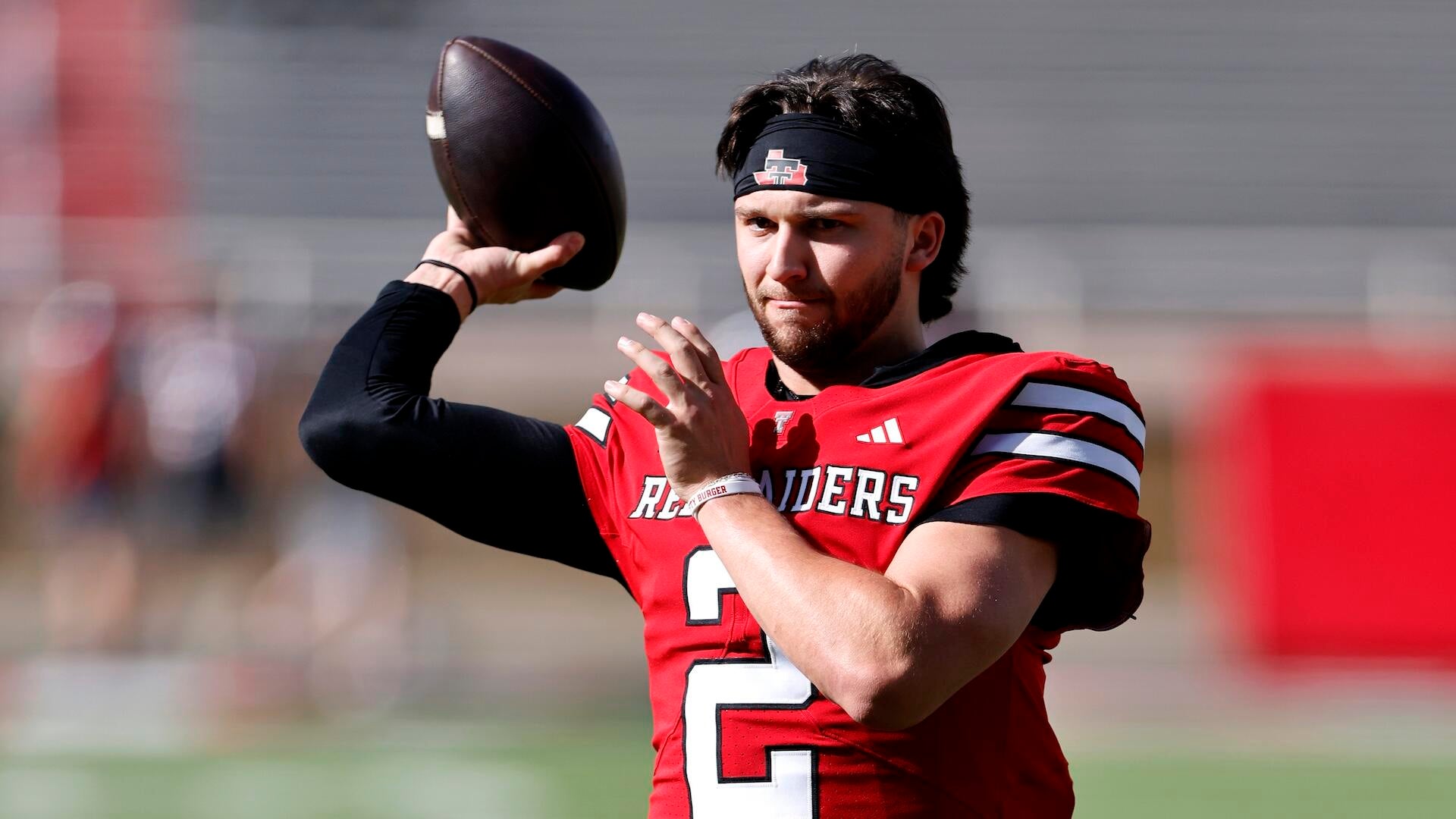
Brendan Sorsby Gambling Regret Shows College Football’s Betting Problem
You do not need to be a college football insider to see the pressure building around player betting. The Brendan Sorsby gambling regret story matters because it puts a human face on a problem that has become too easy to treat as background noise. CBS Sports reported that Sorsby discusses his gambling regret and Texas Tech exit in a new documentary series, giving fans a rare look at the personal fallout behind roster movement, public scrutiny, and sports betting culture. That is the part worth paying attention to. The issue is bigger than one quarterback, one school, or one bad choice. College athletes now compete in a world where betting odds, prop chatter, social media, NIL money, and transfer decisions all collide. What happens when a 20-year-old becomes part athlete, part brand, and part betting asset?
Why This Story Sticks
- Sorsby’s comments give a personal angle to a betting issue usually discussed through rules and punishments.
- College athletes face nonstop exposure to sports betting ads, odds content, and online harassment from bettors.
- The NCAA bans athletes from betting on sports it sponsors, including football, men’s basketball, and women’s basketball.
- Transfer exits often get flattened into gossip, but documentary access can show the messier human side.
- Schools need better prevention systems, not only compliance emails sent after orientation.
What the Brendan Sorsby Gambling Regret Story Tells Us
CBS Sports framed the story around Sorsby opening up in a documentary series about regret tied to gambling and his departure from Texas Tech. That framing matters. It moves the conversation away from box scores and toward choices, consequences, and the strange economy now wrapped around college football.
Sorsby is not a fringe name. He has played quarterback at the Power Five level and later became a key figure at Cincinnati. Quarterbacks carry extra attention because they touch every offensive snap, and that attention gets sharper when fans can bet on outcomes connected to their performance.
Honestly, this is where the college sports machine gets uncomfortable.
Sports betting has become part of the fan experience, but college athletes still carry the personal risk when that culture spills into their lives.
The athlete is often the youngest person in the room, yet he can take the hardest hit. Coaches move on. Sportsbooks keep taking bets where legal. Fans forget by next Saturday. The player has to live with the clip, the mistake, and the search result.
Brendan Sorsby Gambling Regret and the Rules Athletes Live Under
The NCAA’s betting policy is blunt. Athletes, coaches, and athletics staff cannot bet on NCAA-sponsored sports at any level, including professional leagues in those same sports. A college football player cannot bet on an NFL game, even if his own team is not involved.
That rule surprises some fans, but it has a clear purpose. The NCAA wants to protect competition integrity and block any path toward inside information, point shaving, or pressure from outside bettors. In theory, clean and simple.
In practice, the policy lands in a noisy environment. Legal mobile betting has spread across much of the United States since the Supreme Court struck down the federal sports betting ban in 2018. Ads run during games. Podcasts discuss lines. Student group chats buzz about parlays. A player can walk from practice to class and pass a dozen betting prompts on his phone.
The NCAA has tried to respond. It has pushed athlete education, integrity monitoring, and state-level limits on college prop bets. NCAA President Charlie Baker has also called for bans on college player prop markets, arguing that those bets increase harassment and pressure on athletes.
Why College Football Is a Tough Betting Environment
College football has a scale problem. There are too many teams, too many players, too many injury rumors, and too many young people close to sensitive information. That creates risk.
Think of it like a restaurant kitchen during a Saturday rush. The head chef may know the rules, but if every station is moving fast and the floor is packed, one small mistake can wreck the whole service. College football Saturdays work the same way. Information moves quickly, and not everyone handling it understands the stakes.
The pressure comes from several directions
- Fans with money on the game. A missed throw can trigger abusive messages from strangers who lost a bet.
- Friends and classmates. Athletes can get casual questions about injuries, play time, or team mood.
- Social media accounts. Odds pages and betting influencers turn player performance into daily content.
- NIL visibility. Players are encouraged to build public brands, which makes them easier to target.
- Transfer uncertainty. A player making career decisions may already feel isolated or under pressure.
None of this excuses rule-breaking. But it does explain why simple slogans fail. “Do not bet” is correct. It is also not enough.
The Texas Tech Exit Piece Deserves Care
Transfer stories often get treated like courtroom evidence. Fans want a villain, a secret reason, or a clean timeline. Real life is rarely that tidy, especially for quarterbacks who sit inside crowded depth charts and public expectations.
CBS Sports says Sorsby details his Texas Tech exit in the documentary series. Without the full context of every private conversation, the smart approach is restraint. The useful question is not whether fans can assign blame from a short clip. The useful question is what schools can learn from a player willing to discuss regret on camera.
Look, I have covered enough college sports drama to know this pattern. A player’s mistake becomes content, then content becomes judgment, then judgment becomes a permanent tag. Documentary storytelling can either deepen that picture or feed the same machine. The difference depends on whether it shows the systems around the athlete, not only the moment that hurt him.
What Schools Should Do After Brendan Sorsby Gambling Regret
Compliance departments cannot treat betting education like a box to check. Players need plain-language guidance, repeated often, with real examples. They also need someone to call before a bad decision becomes a violation.
Here is a practical model athletic departments should use:
- Run betting sessions by position group. Quarterbacks, kickers, and basketball guards face different types of pressure than reserve linemen.
- Use real phone scenarios. Show players what to do when a friend asks about an injury or a stranger offers money for information.
- Explain the NFL rule overlap. Many athletes do not realize that betting on pro football can still violate NCAA rules.
- Build a confidential reporting path. Players need a safe way to flag pressure, debt, or harassment early.
- Track online abuse tied to betting. Schools should document threats and push platforms, leagues, and regulators for action.
The best programs will treat betting risk like strength training. You do it all year, not only after someone gets hurt.
What Fans Should Take From This
If you bet on college football, you are part of this ecosystem. That does not make you the problem by default. It does mean your behavior matters.
Do not message athletes about your bets. Do not ask students for injury information. Do not pretend a college player owes you because your parlay failed. The player on your screen may be a public figure, but he is still a student dealing with pressure most fans never see.
There is also a media lesson here. Coverage should separate public interest from public shaming. Sorsby speaking about regret can be useful if it leads to better education and fewer repeat cases. It becomes cheap if the only result is another round of dunking on a college kid.
The Next Step for College Sports
The Brendan Sorsby gambling regret story should push schools, conferences, and the NCAA toward sharper prevention. Legal betting is not going away. Neither is college football’s appetite for attention, money, and constant content.
So the next move has to be practical. Ban the riskiest college prop markets where possible. Fund real athlete education. Treat harassment from bettors as a safety issue. And stop acting shocked when young players make mistakes inside a system adults built around them.
The question now is whether college sports wants fewer scandals, or only better damage control after the next one lands.