Japan Casino Market Lessons From Asia’s Gaming Hubs
Japan faces a hard problem: how do you build a casino sector without losing control of it? The Japan casino market is moving from policy debate to real delivery, with Osaka’s integrated resort planned as the country’s first major test. That matters because Japan is not starting from zero. It already has pachinko, horse racing, lotteries, boat racing, and a public that understands wagering in tightly defined spaces. But casino resorts bring different risks, different money flows, and louder political scrutiny. The easy mistake would be to copy Singapore or Macau and call it strategy. Japan needs something sharper. It should study nearby markets, then build a model that fits Japanese habits, regulation, tourism patterns, and local expectations.
What Japan should take seriously
- Singapore shows how strict entry controls can support political trust, but high-end tourism still needs constant investment.
- Macau proves casino scale can generate huge revenue, yet over-reliance on VIP play can leave a market exposed.
- Korea offers a warning on locals-only gambling, especially around social harm and regional dependence.
- Pachinko gives Japan a local gaming template, including machine-led play, loyalty habits, and fragmented regulation.
- Osaka will be judged on more than gaming revenue. Jobs, tax yield, tourism, and public safety will shape the verdict.
Why the Japan casino market cannot copy Singapore outright
Singapore is the model Japanese policymakers often reach for, and for good reason. Marina Bay Sands and Resorts World Sentosa helped lift tourism, convention traffic, and non-gaming spend, while the government kept tight rules around local access, casino entry levies, and responsible gambling controls.
That mix gave Singapore political cover. It also made the casinos part of a wider tourism plan rather than a standalone betting zone. The city-state’s Casino Regulatory Authority, now part of the Gambling Regulatory Authority, built a system that favors clear licensing, close supervision, and fast enforcement.
Japan should borrow Singapore’s discipline, not its exact blueprint.
Here’s the thing. Japan is larger, older, more regionally varied, and far more exposed to local political resistance. A resort in Osaka does not solve tourism needs in Hokkaido, Kyushu, or Tokyo. And if the entry levy feels too punitive, casual local demand may vanish before operators can learn from it.
What Macau teaches the Japan casino market about risk
Macau remains Asia’s most famous casino market, even after Beijing’s anti-corruption pressure, junket crackdowns, and the pandemic changed its business mix. For years, VIP baccarat drove seismic revenue. Then the model buckled as policy risk and customer concentration collided.
Japan should pay close attention. Macau’s recovery now leans more on mass-market play, entertainment, hotels, retail, and food. That pivot sounds healthy, but it took pain to get there. Why build a market that needs a rescue plan later?
Japan’s first casino operators should not chase high-roller glamour as the core story. VIP rooms can bring revenue, yes, but they also bring money-laundering scrutiny, credit risk, and a media narrative that can turn sour fast. The Financial Action Task Force standards and Japan’s own anti-money-laundering regime make this non-negotiable.
That is a warning, not a footnote.
Japan’s own gaming culture is the missing starting point
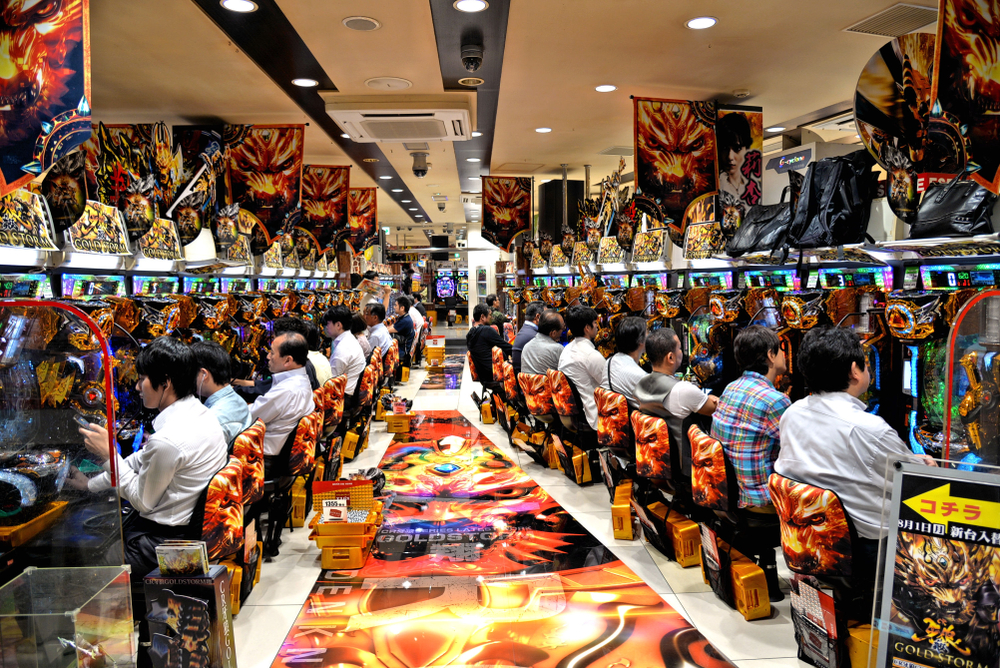
Pachinko is the awkward subject in every Japan casino market discussion. It is everywhere, it is familiar, and it exists in a legal structure that separates prizes from cash exchange through third-party systems. Everyone understands the fiction. Few officials want to say it too loudly.
But pachinko matters because it shows how Japanese players behave. Many prefer fast, machine-based play. They respond to routine, location, sound design, loyalty programs, and small repeated stakes. That is closer to slots and electronic table games than to the Macau VIP myth.
Casino planners should treat pachinko as market research hiding in plain sight. The lesson is not to turn integrated resorts into pachinko halls. The lesson is to understand pacing, comfort, player education, and the social meaning of gaming in Japan.
What operators can learn from pachinko halls
- Make rules obvious for first-time players, especially on electronic games.
- Design loyalty programs around visits and experiences, not only wagering volume.
- Keep smoking, noise, and accessibility policies aligned with modern leisure standards.
- Offer low-stress entry points before pushing premium tables.
- Use data to spot harmful play patterns early, then act before regulators force changes.
South Korea shows the danger of a narrow local model
South Korea’s casino sector splits into foreigner-only casinos and Kangwon Land, the only venue where Korean nationals can legally gamble in a casino. That structure protects most citizens from easy access, but it also concentrates local gambling demand in one place. The social debate around Kangwon Land has never really gone away.
Japan has chosen a different path by allowing local entry under strict controls, including limits on visits and an entry fee for residents. That is more open than Korea, but still guarded. The hard part will be enforcement that feels firm without making the resort feel hostile.
Think of it like stadium security. If checks are invisible, trouble gets in. If checks are too heavy, fans stop enjoying the match. Casinos face the same balance, only with money, addiction risk, and political careers on the line.
How Osaka can set the tone for Japan casino market growth
Osaka’s integrated resort, led by MGM Resorts International and Orix, is expected to become Japan’s first large casino resort. The project is tied to Yumeshima, the artificial island also linked to Expo 2025, and it has been framed around tourism, meetings, hotels, dining, and entertainment.
The public will judge it on practical outcomes. Are there good jobs? Does transport work? Do local businesses gain traffic? Does the casino attract overseas visitors, or does it mostly recycle domestic spending from Kansai households?
- Publish clear performance data, including tourism mix, tax payments, employment, and non-gaming spend.
- Track harm indicators early, such as self-exclusion, unpaid debt concerns, and repeat high-frequency visits.
- Separate casino marketing from family tourism, especially in public-facing campaigns.
- Invest in transport and crowd control, because a weak arrival experience will damage the whole resort.
- Keep local suppliers visible, from food to events, so the resort feels rooted in Osaka.
Japan’s Casino Regulatory Commission will also need to show independence. If the regulator looks captured by industry or frozen by politics, trust will drain quickly. A clear public record on inspections, penalties, and compliance expectations would help.
What the Japan casino market should avoid
The worst outcome would be a resort that sells itself as tourism infrastructure but behaves like a pure gaming box. That gap between promise and practice is where public anger grows. I have covered enough casino openings to know the pattern.
Operators talk about restaurants, concerts, art, retail, and conventions. Then quarterly pressure arrives, and gaming revenue becomes the only number anyone seems to care about. Japan should resist that slide from day one.
Three mistakes would be especially costly
- Overbuilding premium gaming space before Japan understands real player demand.
- Underfunding responsible gambling until a scandal forces rushed reforms.
- Treating pachinko players as automatic casino customers, which ignores price, format, and cultural differences.
There is also a branding issue. Japan has spent decades building a global image around food, service, craft, pop culture, transport, and safety. A casino resort must fit that identity, not bulldoze it. The best version feels Japanese before it feels like an imported casino complex.
The smarter bet for Japan
The Japan casino market has room to succeed, but only if it stays boring in the right places. Licensing, anti-money-laundering checks, entry controls, data reporting, and harm prevention should be strict, plain, and consistent. Entertainment, hospitality, and design can carry the flair.
Japan does not need to become Macau, and it will never be Singapore. Its advantage is different: a deep domestic leisure culture, strong service standards, and cities that already attract global curiosity. The next move is simple. Build a casino model that regulators can defend, residents can tolerate, and visitors actually want to use.