Midnite TikTok Ad ASA Complaint Shows AI Betting Ad Risk
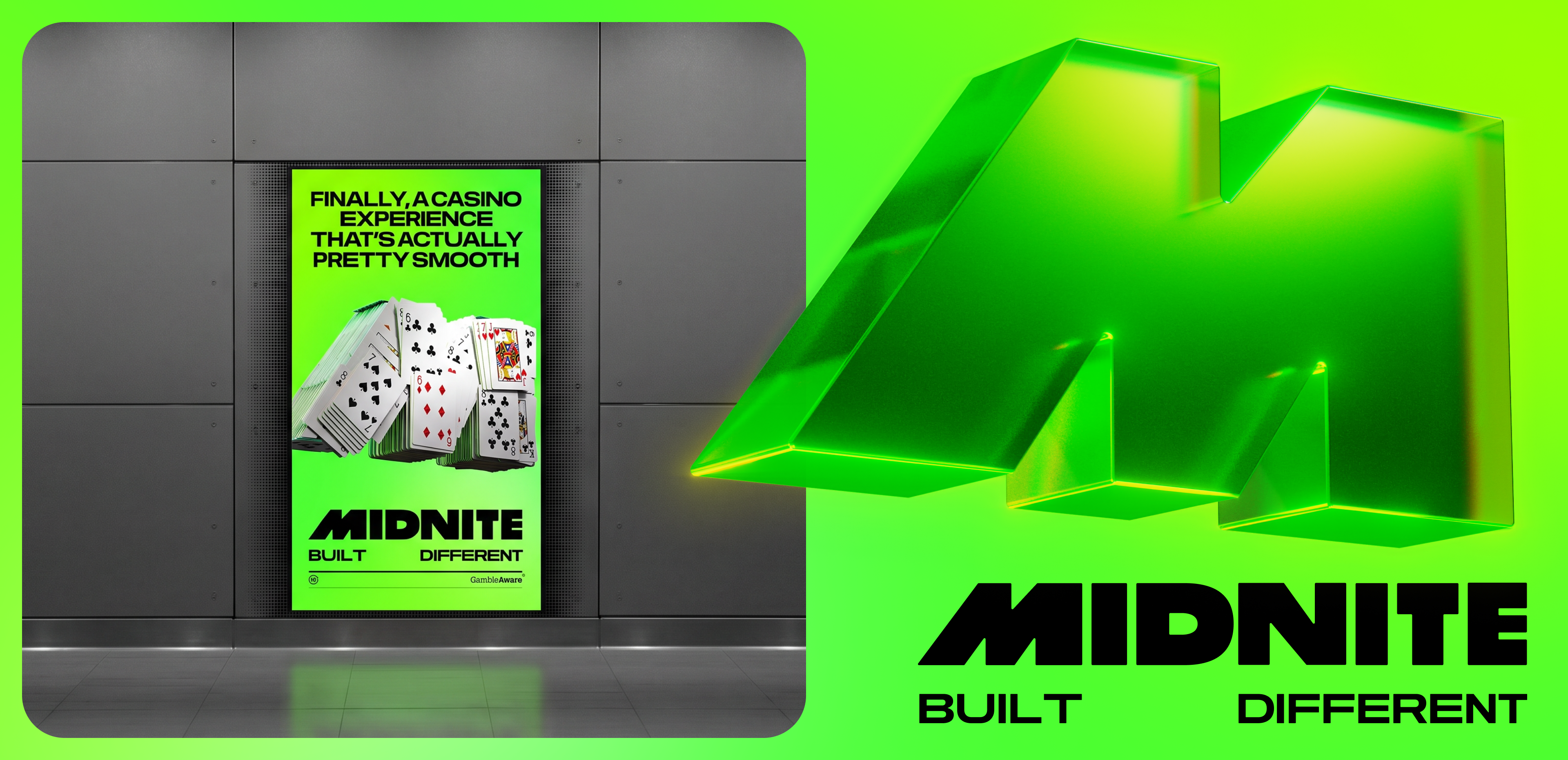
Your paid social team can move fast with AI creative, but gambling ads do not get much room for error. The Midnite TikTok ad ASA complaint matters because it sits right at the point where betting marketing, synthetic characters, and youth-heavy platforms collide. According to iGaming Business, the UK Advertising Standards Authority assessed a TikTok ad for betting operator Midnite that featured an AI-generated character, after a complaint questioned whether the creative was likely to appeal strongly to under-18s. That is a live compliance problem for every sportsbook using short-form video, creator-style edits, or synthetic faces to lower production costs and increase testing speed. The lesson is blunt. If your ad looks native to teen culture, the regulator will not care that your audience settings say adults only.
What stands out
- The case focuses on an AI-generated character in a TikTok betting ad for Midnite.
- The ASA examined whether the creative had strong appeal to under-18s under UK gambling ad rules.
- AI production does not reduce a brand’s responsibility for the final advert.
- Paid social targeting helps, but it will not save creative that looks youth-oriented.
- Operators should review character design, platform fit, and approval records before campaigns go live.
Why the Midnite TikTok ad ASA complaint matters
The UK gambling ad rulebook is already strict on youth appeal. The CAP Code requires gambling ads to be socially responsible and not likely to be of strong appeal to children or young people, especially by reflecting or being associated with youth culture.
TikTok makes that test harder. The platform has adult users, of course, but its formats, sounds, visual language, and creator tropes are closely tied to younger audiences. A betting brand can buy age-gated media and still create an ad that feels like it belongs in a school lunch queue.
This is where the risk gets expensive.
AI adds another wrinkle. Synthetic characters can be tuned to look friendly, expressive, quirky, or cartoon-like in seconds. Those traits may lift engagement, but they can also push an ad closer to entertainment content aimed at younger viewers. What looks like efficient production to a marketing team can look like regulatory exposure to the ASA.
For gambling brands, the compliance question is not, “Was this made with AI?” It is, “Would this creative pull the attention of under-18s if they saw it?”
Midnite TikTok ad ASA complaint and the youth appeal test
The ASA has spent years drawing lines around celebrity appeal, footballers, influencers, cartoons, and social media formats. The Midnite case sits in that same family. A character does not need to be real to create youth appeal.
That point matters. Some operators still treat AI-generated people, mascots, or avatars as a safer alternative to influencers because there is no real-world fan base attached. That is too neat. A made-up character can still borrow the visual codes of anime, gaming, teen comedy, or creator culture.
Ask a simple question before you sign off a TikTok betting ad. Would a 15-year-old understand the style, like the character, or share the clip even if they could not legally bet? If the answer is yes, you have a problem.
What regulators are likely to examine
- Character design: Does the person or avatar look young, cartoonish, game-like, or linked to youth subcultures?
- Platform context: Does the ad use TikTok-native comedy, sounds, captions, filters, or editing patterns popular with younger users?
- Product framing: Does it make betting feel like casual entertainment rather than an age-restricted activity?
- Targeting evidence: Can the advertiser prove the campaign was restricted to adults and placed away from youth audiences?
- Approval trail: Is there a record showing legal or compliance review before launch?
AI betting ads need more than age targeting
Marketers often lean on targeting settings as a shield. That is risky. Age gating, interest exclusions, and platform controls are useful, but they do not answer the whole question under UK advertising rules.
The creative itself has to be compliant. If an ad has strong appeal to under-18s, a brand cannot simply point to the media plan and move on. Think of it like stadium security. Checking tickets at the gate matters, but you still cannot host a restricted event with posters designed for children.
AI tools can also blur accountability inside a business. A designer may generate the character, a social team may cut the video, an agency may upload it, and a compliance officer may only see the final edit. That chain leaves gaps unless the operator sets clear rules before production starts.
How betting brands should review AI creative before TikTok
Here is the practical version. Treat AI-generated characters like influencers, mascots, and brand ambassadors. They need a review file, not a quick glance in a Slack thread.
- Run a youth appeal check at concept stage. Do not wait until the final video. Review the character, tone, setting, script, soundtrack, and editing style before production.
- Ban vague prompts. Prompts such as “cute,” “fun,” “viral,” or “TikTok-style” can pull creative toward youth-coded results. Use adult-focused prompts and save them in the campaign record.
- Document the intended audience. Keep evidence of age targeting, platform settings, exclusion lists, and any rationale for using TikTok.
- Use a second reviewer. Someone outside the creative team should assess whether the ad could appeal to under-18s. Fresh eyes catch what the production team normalised.
- Build a stop list. Anime styling, school-like settings, teen slang, toy-like avatars, childlike voices, and meme formats popular with minors should trigger escalation.
Look, none of this kills creative work. It just forces betting brands to separate adult entertainment from content that feels built for the For You page of a teenager. That line can be thin, but it is not invisible.
What the Midnite TikTok ad ASA complaint signals for affiliates
Affiliates should pay attention too. Many betting operators pass creative assets to partners, but affiliates also produce their own social edits, comparison videos, and bonus-led posts. If an affiliate uses AI characters or youth-skewing formats, the brand can still face reputational damage and contractual fallout.
Affiliate managers should update creative rules now. The policy should cover AI characters, avatars, synthetic voiceovers, platform-native memes, and any content that resembles gaming or teen entertainment. A generic “follow all laws” clause is weak cover.
Better contracts spell out approval rights and takedown timelines. They also require partners to keep targeting evidence and source files. If a regulator asks questions, “the affiliate made it” is not a satisfying answer.
Midnite TikTok ad ASA complaint raises a bigger question
The bigger issue is not one operator or one TikTok post. It is the speed gap between AI-assisted marketing and gambling compliance. Creative teams can now produce dozens of variants in a day, while legal review still works best when people slow down and ask awkward questions.
That mismatch will create more complaints. The brands that cope best will not be the ones with the fanciest AI workflow. They will be the ones with hard rules about who approves character-led ads, what youth appeal means in practice, and which platforms demand extra scrutiny.
The next smart move is simple. Pull your last ten paid social gambling ads, including affiliate edits, and score them for youth appeal before someone outside your business does it for you.