Postal Worker Gambling Fraud Shows a $100K Risk
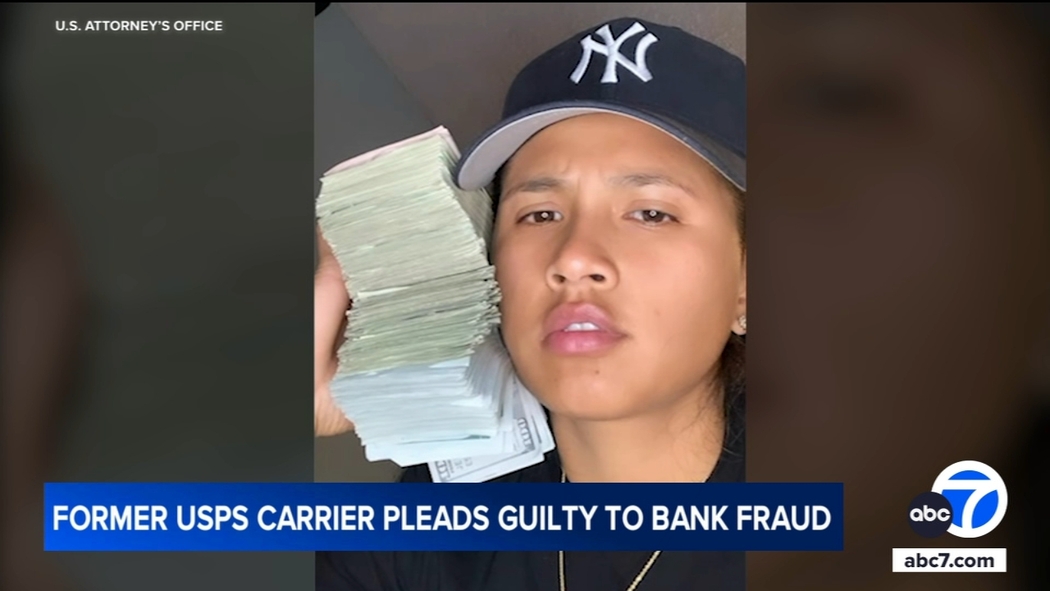
You trust the mail because the system has to work, every day, with little drama. A postal worker gambling fraud case reported by GamblingNews shows how fast that trust can crack when access, stolen checks, and betting losses collide. The case centers on a postal employee and alleged co-conspirators accused of stealing more than $100,000, with part of the money reportedly used to support a gambling habit and other spending. For gambling operators, employers, and compliance teams, this is not a strange one-off story. And for anyone handling payments, it is a blunt reminder that weak controls can turn a private problem into a public criminal case.
What the case puts in plain view
- Access creates risk. A worker who handles checks, parcels, or account data can cause damage before anyone notices.
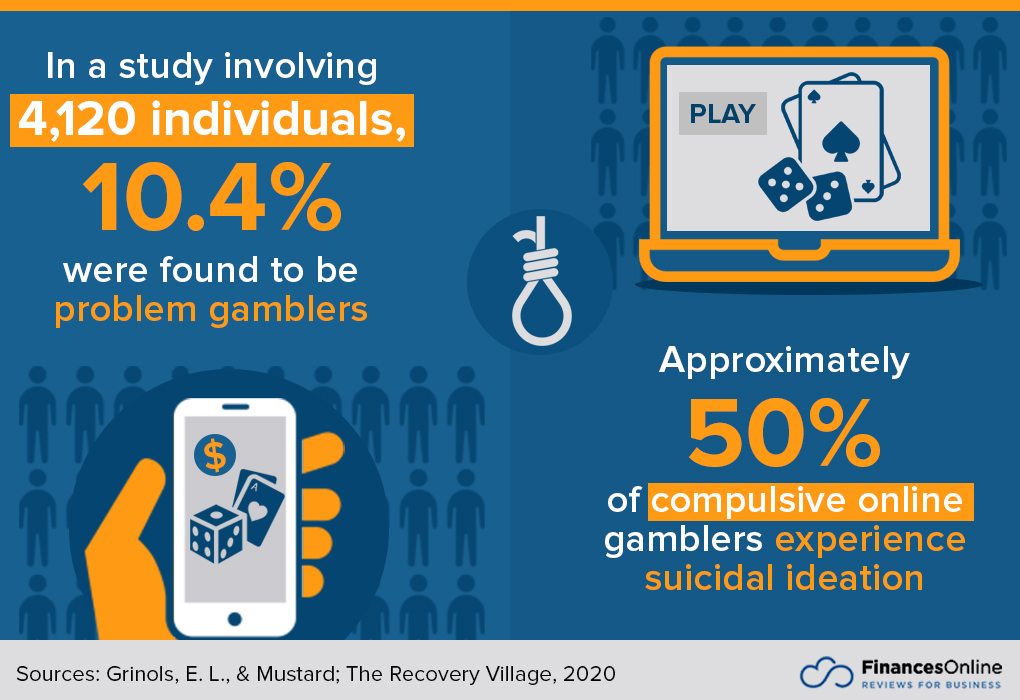
- Gambling harm can show up as financial crime. The betting activity is not the whole story, but it may be part of the pressure behind bad decisions.
- Stolen checks remain useful to criminals. Despite digital banking, paper checks still move enough money to attract fraud rings.
- Operators need sharper signals. Unusual deposits, rapid losses, and repeated payment changes deserve attention.
Why postal worker gambling fraud hits harder than ordinary theft
The reported scheme, according to GamblingNews, involved a postal worker and other people accused of stealing funds worth more than $100,000. That detail matters because postal employees occupy a rare position of trust, with daily access to mail that may include checks, tax documents, bank notices, and personal identifiers.
Mail theft is not some dusty crime from another era. Once a check is taken, criminals can alter the payee name, deposit it through a mule account, or use the victim details for account takeover. Add gambling losses to the mix and the pressure can become ugly fast, like a gambler doubling down at a blackjack table after a cold streak.
Fraud cases tied to gambling should not be treated as proof that betting causes crime. They should be treated as proof that financial stress, access to funds, and weak oversight make a dangerous mix.
Look, the easy take is to blame the casino or sportsbook. That would be too neat. The better question is this: who saw the warning signs, and who had the power to act before six figures disappeared?
Where postal worker gambling fraud creates compliance pressure
Small controls beat grand speeches.
For employers, the practical issue is access management. If one employee can touch payment mail, reroute items, and avoid review, the system is brittle. Managers do not need to treat every worker as a suspect, but they do need separation of duties, audit trails, and fast escalation when mail goes missing.
For operators, the payment trail matters. A customer who suddenly increases deposits, changes bank details, uses multiple cards, or shows erratic staking deserves a closer look. That is true even when the deposits clear, because cleared funds are not always clean funds.
Red flags betting operators should not ignore
- New or unusual payment sources after a long period of normal play.
- Deposit spikes that do not match known income or prior account behavior.
- Rapid cycling of funds, such as deposits followed by immediate withdrawals or heavy losses.
- Repeated failed deposits, chargebacks, or bank account changes.
- Customer messages that mention debt, chasing losses, paycheck gaps, or borrowing.
The hard question for operators is not whether every odd pattern proves theft. It does not. The hard question is whether the operator has a defensible process for spotting risk, pausing activity, and asking for source-of-funds information when the pattern looks wrong.
The gambling harm angle without the lazy blame game
No casino or betting app can diagnose a customer from a deposit screen. Still, operators see behavior that banks and employers may not see in real time. If a customer is chasing losses with money that appears inconsistent, responsible gambling teams and anti-money laundering teams need to talk to each other.
If you work in gambling compliance, do not wall off safer gambling from fraud monitoring. The overlap is messy, but real. A player in distress may be vulnerable, a fraud risk, or both. Treating those signals as separate boxes can leave everyone exposed.
Employees also need routes to ask for help before misconduct starts. That means clear employee assistance programs, confidential reporting, and training that explains financial conflict of interest in plain English. A poster in the break room is not enough.
How to reduce postal worker gambling fraud risk
Treat postal worker gambling fraud as a control failure, not a headline to gawk at. The same pattern can appear in banks, delivery firms, payroll departments, retail cash offices, and any workplace where people handle money or payment documents.
- Rotate high-risk duties. Do not let one person control the same payment stream without review for long periods.
- Reconcile exceptions fast. Missing checks, delayed mail, and customer complaints should trigger a same-day review.
- Limit unnecessary access. Workers should only see the mail, systems, and records they need for their role.
- Use anomaly reporting. Repeated address issues, scan gaps, or unusual route patterns should surface quickly.
- Train managers to act. A control that nobody enforces is decoration.
A case like this also puts pressure on financial institutions. Banks and credit unions can flag altered checks, suspicious mobile deposits, and accounts that receive multiple third-party checks. The best defense is boring on purpose: verification, documentation, and follow-up.
What happens next for betting and payments teams
The gambling industry has spent years talking about safer play, but cases like this show why payment integrity belongs in the same conversation. If stolen money reaches a betting account, the operator may face legal requests, regulatory questions, reputational damage, and a harmed customer on the other side of the theft.
Here is the practical next step: review your fraud rules against your responsible gambling triggers this week. If those teams are not sharing risk signals, why not?