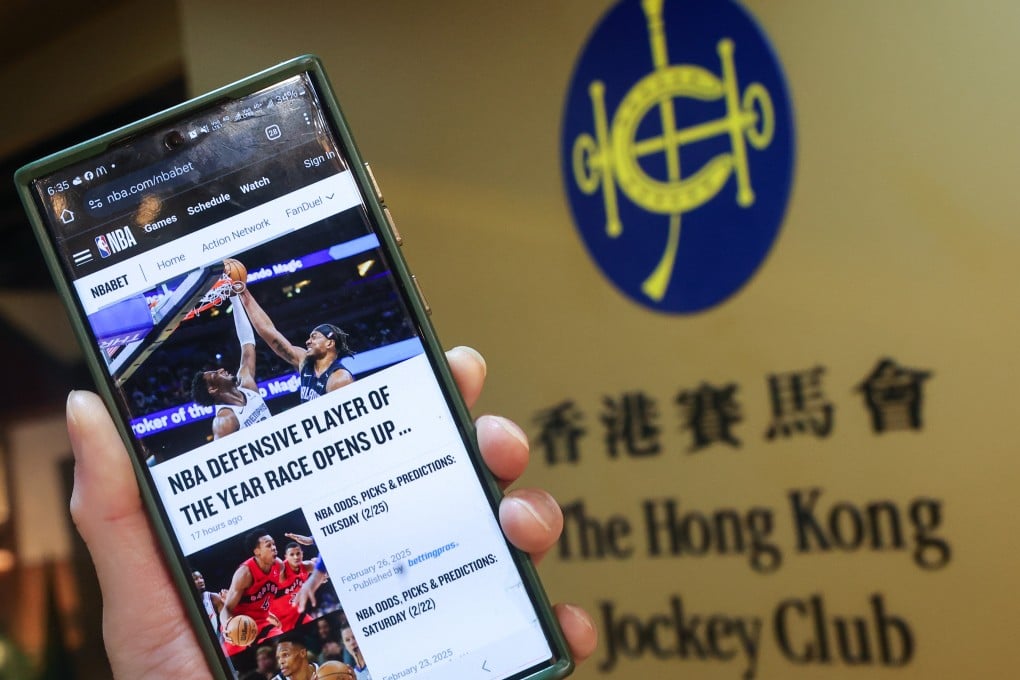
Hong Kong Basketball Betting Ban Signals Fear of Prediction Markets
Bettors in Hong Kong just lost a staple: basketball wagers. The abrupt Hong Kong basketball betting ban shows how regulators react when technology moves faster than their playbook. Prediction markets running on decentralized rails now mimic live odds, drawing the same audience the Jockey Club has long served. You care because this shift is a warning shot for every market that relies on controlled liquidity and trusted oversight. What happens when your go-to book pulls a popular sport overnight? The timing matters now, as basketball seasons roll on and offshore apps target the same fans with fewer guardrails.
Officials cite integrity risks and thin margins, but the pressure clearly comes from a rising class of on-chain markets. They are cheap to run, global by default, and hard to police (and they know it).
Quick Hits
- Basketball lines pulled to reduce exposure while regulators regroup.
- Prediction markets lure bettors with low fees and near-live pricing.
- Integrity monitoring now depends on data sharing, not monopoly control.
- Local operators test whether soccer-only focus can hold market share.
Why the Hong Kong basketball betting ban landed now
The Jockey Club runs a highly regulated monopoly, and basketball has been a dependable handle driver. Pulling it hurts revenue, but the move buys time while prediction markets siphon liquidity. Think of a coach calling a timeout when the defense starts reading every play; the pause is about survival, not style.
Match-fixing chatter spikes whenever markets become fragmented. Regulators prefer clear reporting lines, yet decentralized venues often ignore local disclosure rules. Without visibility, pricing anomalies become harder to flag, and risk models lose accuracy. That is a non-negotiable problem for a market built on public trust.
“You cannot police what you cannot see,” one compliance officer told me years ago. The line feels even sharper when odds float on public blockchains.
Some bettors shrug and switch to soccer. Others will chase basketball props on offshore sites with weaker identity checks. Which group grows faster?
Prediction markets outpacing regulators
On-chain prediction venues settle outcomes through smart contracts and crowd-sourced liquidity. Fees stay low, payouts are fast, and the operators rarely sit inside your jurisdiction. The regulator’s old toolkit—licenses, audits, and domestic penalties—looks thin against code-first platforms.
This is a single-sentence paragraph.
Could Hong Kong’s pause trigger copycat bans elsewhere? If other markets see bettor flight to tokens and peer-set odds, the temptation to pull back on vulnerable sports will grow. But retreat carries its own risk: once bettors leave, reacquiring them is harder than keeping them.
Strategies for operators after the Hong Kong basketball betting ban
- Double down on transparency. Publish hold percentages, integrity partnerships, and investigation stats to prove that regulated options still offer the safest seat.
- Modernize risk models. Ingest public blockchain data to track correlated movements between traditional books and prediction venues.
- Rebuild community trust. Offer responsible gambling tools and clear timelines on sport reinstatements to avoid permanent churn.
- Collaborate with leagues. Secure data deals that allow faster flagging of irregular play, not just price swings.
What bettors should do next
Stay within legal channels even if odds look softer elsewhere. Track how quickly the Jockey Club reinstates basketball, because speed will signal whether the regulator believes its current controls can match prediction market velocity. If they move slowly, expect a longer-term reshuffle of the menu.
And if regulators cannot keep pace with code, who will set the guardrails the next time a popular sport gets yanked?
Looking ahead
I expect more selective withdrawals whenever decentralized venues surge around a specific league. Operators will need to prove that regulation can coexist with speed, not just pull the plug. If they fail, the market will pick the faster product every time. Your move, regulators.