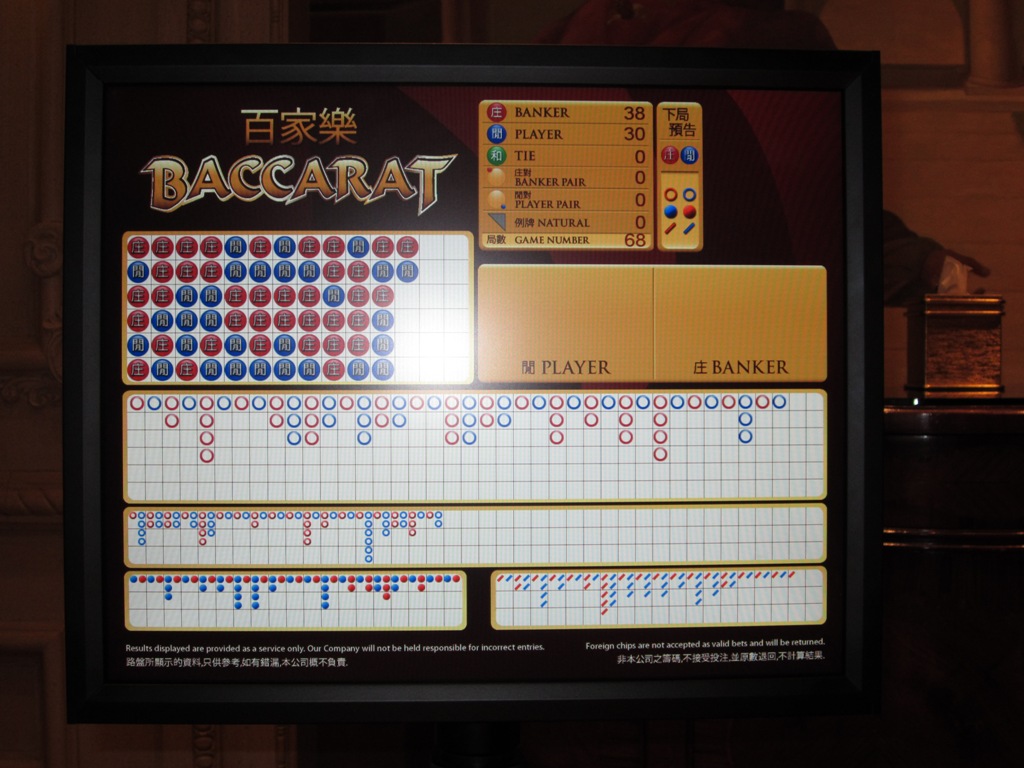
Baccarat Data for Casino Operators
Baccarat has long been treated as a premium table game driven by instinct, host relationships, and player ritual. That approach still matters, but it leaves money on the table. Baccarat data gives casino operators a clearer view of who is playing, when demand peaks, how long sessions last, and which table decisions affect yield. Why does that matter now? Because margins are tighter, VIP expectations are higher, and operators can no longer afford to run table games on habit alone. If slots, sports betting, and digital channels are measured to the decimal, baccarat should not get a free pass. The operators that turn table activity into usable insight will be in a stronger spot to lift revenue, sharpen service, and make better floor decisions.
What stands out
- Baccarat data can improve table mix, staffing, and player development.
- Operators should track session length, average wager, occupancy, theo, and repeat visit patterns.
- High-limit baccarat needs a different analytics model than mass-market table games.
- Good data is only useful if hosts, pit teams, and marketing act on it quickly.
Why baccarat data matters now
For years, baccarat sat in a strange category. It was a major revenue driver in many casinos, especially in high-limit rooms, yet often measured with less discipline than digital channels or slots. Look, that gap made some sense in a relationship-heavy environment. But it is harder to defend now.
Operators face pressure from every angle. Labor is expensive. Premium players have more choice. Compliance expectations are tighter. And executive teams want proof before they change floor space or marketing spend. Baccarat data helps answer the questions that actually matter. Which tables produce the best hold over time? Which player segments return after hosted events? Are peak periods being staffed properly, or are guests waiting too long to get into action?
Table games have always generated data. The real shift is whether operators turn that data into operating decisions.
That is the difference between owning a scoreboard and coaching from it.
What casino operators should measure in baccarat data
Not every metric deserves equal attention. Some data points look tidy in a dashboard but do not help on the floor. The most useful baccarat metrics connect directly to revenue, player value, and service execution.
Core metrics that deserve daily attention
- Average wager size
(This sounds obvious, but many teams still review it too broadly.) Break it down by table, shift, segment, and event period. - Hands per hour
This affects theoretical win and table productivity. A slower game may reflect dealer pace, chip handling, player behavior, or game congestion. - Table occupancy
Empty seats in a premium room are a red flag. So is chronic overfill that turns players away. - Session length
Longer sessions can point to stronger engagement, though they should be read alongside profitability and player behavior. - Theoretical win versus actual win
This helps separate luck from operating performance. - Repeat visitation
One big night matters less than whether the player comes back next week. - Host interaction and offer response
Baccarat remains relationship-led. If offers are not moving behavior, the data should show it.
And yes, context matters. A Saturday night in a VIP salon should not be benchmarked the same way as a standard pit on a Tuesday afternoon.
How baccarat data improves floor strategy
The smartest operators do not stop at reporting. They use baccarat data to adjust the floor in near real time and over longer planning cycles.
Table allocation and room configuration
If data shows recurring waitlists during narrow evening windows, operators may need more active tables or a different room layout. If certain tables consistently underperform, the issue may be location, dealer assignment, minimums, or guest flow. Honestly, floor plans often survive on tradition longer than they should.
A baccarat room is a bit like a restaurant kitchen. You cannot judge performance by one dish leaving the pass. You need to know the rush periods, bottlenecks, best stations, and which regulars keep coming back.
Staffing and dealer performance
Hands per hour, occupancy, and player satisfaction can reveal whether staffing matches demand. This is not just a scheduling issue. It can also shape training, dealer rotation, and host coverage during premium windows.
Some operators hesitate to connect staff decisions to data because table games still carry a strong human element. But that is exactly why the data matters. It should support judgment, not replace it.
Player segmentation
Not all baccarat players behave the same way. A premium international guest, a local high-limit regular, and an event-driven visitor may all sit at the same table, yet respond to very different service models. Better segmentation lets operators tailor incentives, limits, and outreach with more precision.
Where baccarat data can boost player retention
Retention is where this gets interesting. Operators often chase baccarat drop and headline turnover, but the real value sits in repeat engagement. Who returns after a losing trip? Who increases average wager after a hosted stay? Which guests drift to competitors after periods of low attention?
Baccarat data can help marketing and VIP teams move from broad comps to smarter triggers:
- Post-visit offers based on actual session value, not rough estimates
- Host outreach timed to lapsed visit patterns
- Event invitations tied to historical play windows
- Service upgrades for players whose frequency is rising
That sounds basic. In practice, many operators still rely on partial ratings, anecdotal host memory, or delayed reports. That is risky in a segment where loyalty can shift fast.
The limits of baccarat data
Data is useful. It is not magic.
Baccarat still includes factors that resist clean measurement, especially in premium rooms. Cultural preferences, host trust, privacy expectations, junket history in some markets, and personal superstition all affect behavior. A dashboard can show that a player stopped visiting. It may not show why.
There is also a basic quality issue. If table ratings are inconsistent, player identification is weak, or systems do not connect across hotel, CRM, and gaming operations, the output will be shaky. Bad inputs do not become smart insight just because they sit in a nicer report.
The best baccarat analytics programs blend hard numbers with floor-level judgment from pit teams, hosts, and operations leaders.
What operators should do next with baccarat data
If you run casino operations, do not wait for a giant transformation project. Start with a narrower plan and prove value fast.
- Audit current data capture
Check how table ratings are recorded, how often records are updated, and where gaps appear. - Pick a short list of operating KPIs
Focus on metrics tied to revenue, occupancy, and repeat visits. - Compare player segments separately
High-limit, premium mass, and event-led guests should not be lumped together. - Connect hosts to the reporting loop
If insights stay in analytics, nothing changes on the floor. - Test one floor or one room first
Measure whether staffing, table mix, or tailored offers improve results over 30 to 90 days.
Here is the thing. The argument for better baccarat analytics is no longer hard to make. The hard part is execution. Operators need cleaner capture, faster reporting, and enough discipline to act on what the numbers show, even when the findings challenge long-held habits.
The next edge is operational, not theatrical
Baccarat has always carried a certain aura, and casinos have often sold that mystique well. But mystique does not excuse weak measurement. The next edge in table games will likely come from operators that treat baccarat with the same seriousness they already apply to slots, CRM, and digital acquisition.
That does not mean turning a premium game into a spreadsheet exercise. It means using baccarat data to make sharper calls on service, staffing, player value, and floor economics. The operators that do this early will not just look more efficient. They will be better prepared for a market where every square foot, every host touch, and every premium player matters more than ever. So the real question is simple. Are you still running baccarat on instinct, or are you ready to measure what wins?