KSA Harm Awareness Campaign Before the FIFA World Cup
Big football tournaments push sports betting into the mainstream fast. Ads multiply, casual fans place bets they would usually ignore, and younger players can slip from one small wager into riskier behavior before they notice the pattern. That is why the KSA harm awareness campaign ahead of the FIFA World Cup matters. The Dutch Gambling Authority, Kansspelautoriteit, moved before the rush instead of reacting after the damage. Smart move. For regulators, operators, and anyone watching safer gambling policy in Europe, this is a useful case study in timing, audience targeting, and public messaging. If you work in betting, compliance, or player protection, the campaign is a reminder that major sporting events are not just revenue spikes. They are pressure tests for every harm prevention promise the market makes.
What stands out
- The KSA launched the campaign before World Cup betting activity peaked.
- The message focused on young adults, a group often exposed to sports betting through football marketing.
- The regulator framed gambling harm as a real risk during major events, not a side issue.
- The move adds pressure on licensed operators to match safer gambling messaging with action.
Why the KSA harm awareness campaign matters
The timing is the story here. Regulators often look strongest when they publish fines, but public health style messaging before a betting surge can do more practical good. The FIFA World Cup creates a spike in attention, impulsive betting, and heavy promotion across legal gambling markets.
And that makes intervention non-negotiable.
According to the report, the KSA aimed the campaign at young adults and warned about the risks linked to gambling during the tournament. That focus makes sense. Younger players are often comfortable with mobile apps, live betting, and constant sports content, which can blur the line between entertainment and spending. A huge event like the World Cup works a bit like a packed stadium with the volume turned all the way up. Small decisions feel bigger, faster, and easier to repeat.
Major sports events do not create gambling risk from scratch. They amplify habits that are already sitting there.
How the KSA harm awareness campaign targeted World Cup betting risk
The KSA did not pick a random moment. It tied the campaign to a predictable betting surge, which is exactly how harm prevention should work. You know the audience will be active. You know the marketing cycle will intensify. So why wait?
Reports around the campaign showed that the regulator wanted consumers, especially younger adults, to think about gambling risks before they started betting. That is a better approach than relying on fine print after account registration. It treats awareness as part of market oversight, not as a box-ticking exercise.
Why young adults were the obvious target
This group sits in a tricky spot. Many are legally allowed to gamble, heavily engaged with football, and highly responsive to digital promotions. But they may have less experience spotting chasing behavior, budget drift, or the emotional pull of live betting.
Look, that does not mean every young bettor is at high risk. It means this audience is exposed to the exact mix that can raise harm during a major tournament.
- More matches mean more betting opportunities.
- Live markets create fast decision cycles.
- Social discussion normalizes repeated wagers.
- Promotions can make betting feel routine rather than risky.
What operators should learn from the KSA harm awareness campaign
Licensed sportsbooks should pay attention, even outside the Netherlands. A campaign like this sends a signal to the market that safer gambling claims will be judged against real behavior during peak events. Operators cannot talk about player protection in September and then flood the zone with aggressive World Cup promotions in November.
Honestly, this is where the industry often loses the argument. It says the right things, then behaves as if tournament season is a free pass.
Operators that want credibility should tighten a few basics during events like the World Cup:
- Review ad frequency and targeting for younger adult audiences.
- Make deposit limits and cool-off tools easier to find.
- Flag sharp spending changes and repeated failed deposits quickly.
- Train support teams for event-driven risk patterns.
- Use plain language in safer gambling prompts, not legal padding.
That last point matters more than many executives admit. If a player needs three clicks and a law degree to understand a warning, the warning has failed.
KSA harm awareness campaign and the wider regulation trend
The Dutch regulator is hardly alone in treating safer gambling as a public issue tied to marketing, sports, and digital access. Across Europe, regulators have become more skeptical of the old industry line that consumer choice alone can carry the weight. It cannot. Not during a month-long football spectacle built for repeat engagement.
This is where the KSA campaign fits a bigger pattern. Regulators are moving beyond licensing and enforcement into behavior-facing policy. That includes ad restrictions, affordability debates, duty-of-care expectations, and direct public messaging.
But here is the real question. Will campaigns like this change behavior on their own?
Probably not enough. Awareness helps, yet awareness without friction is like putting a speed sign beside a racetrack. Useful, yes, but limited. The stronger model combines education, operator safeguards, and active supervision (especially during major sports calendars).
What bettors can actually take from it
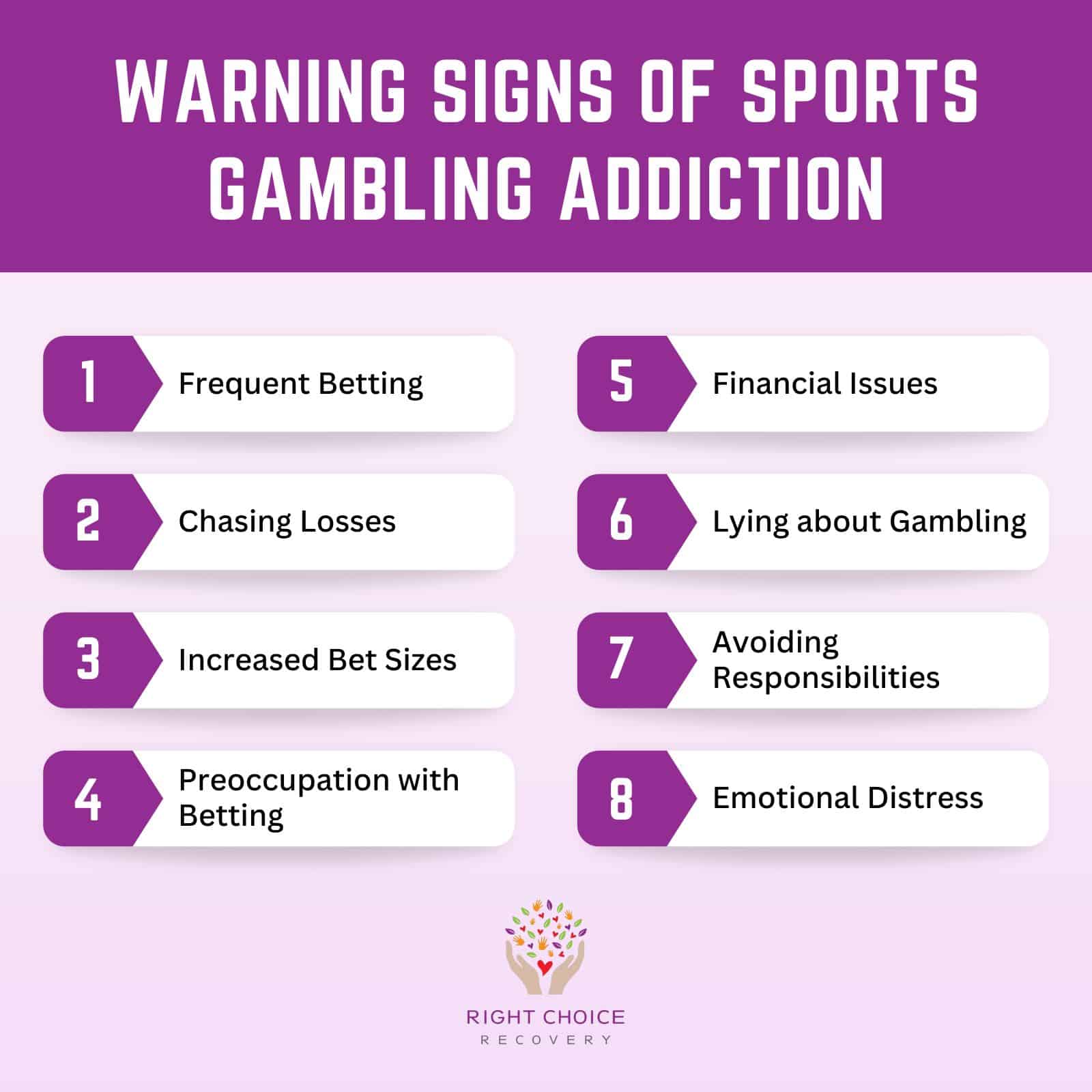
If you are a bettor, the practical lesson is simple. Big tournaments distort judgment. You may bet more often, chase losses after dramatic matches, or place live wagers because the app makes it feel frictionless. That is exactly when a quick personal check matters.
A short self-check before tournament betting
- Set a fixed budget before the first match.
- Decide how many bets you will place in a week.
- Avoid increasing stakes after losses.
- Turn off promotional notifications if they push impulsive betting.
- Take a pause after emotional matches or surprise upsets.
Football should stay football. The bet is the side activity, not the event itself.
What happens next
The KSA harm awareness campaign shows a regulator trying to get ahead of a known risk window instead of cleaning up afterward. That deserves attention because it is practical, targeted, and tied to a real trigger, the FIFA World Cup. The test now is whether more regulators follow with sharper data, better public messaging, and harder expectations for operators.
If the industry wants to be taken seriously on player protection, tournament season is where it has to prove it.