Oklahoma Sweepstakes Ban Becomes Law
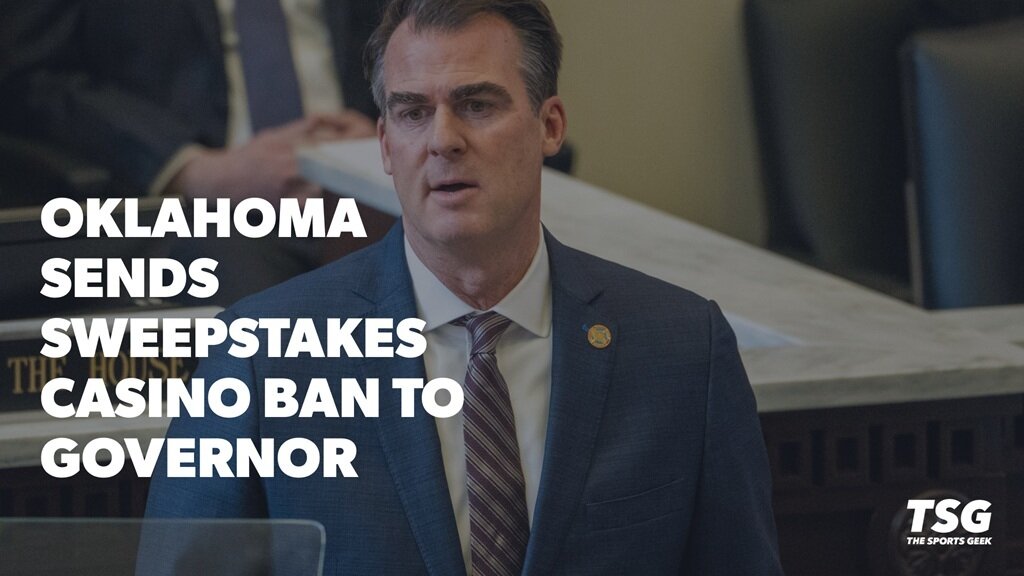
If you run, market, or follow online gaming, the Oklahoma sweepstakes ban now deserves your full attention. State lawmakers have overridden Gov. Kevin Stitt’s veto, which means Oklahoma has moved from debating sweepstakes casinos to banning them outright. That matters because this is no longer a theory or a warning shot. It is law, and it adds more pressure on an industry already facing pushback in multiple states.
For operators, affiliates, payment partners, and even software vendors, the practical question is simple. What now? Oklahoma’s move shows how fast the political mood can turn when lawmakers decide sweepstakes products look too close to real-money gambling. And once one state acts, others tend to study the playbook.
What changed fast
- Oklahoma legislators overrode Gov. Kevin Stitt’s veto of the sweepstakes ban bill.
- The new law targets sweepstakes-style gaming that lawmakers view as illegal gambling.
- Operators, affiliates, and service providers now face sharper legal and business risk in the state.
- The vote adds momentum to a broader national crackdown on sweepstakes casino models.
What the Oklahoma sweepstakes ban does
The core issue is straightforward. Oklahoma lawmakers decided that sweepstakes casino products, especially those using dual-currency systems and offering casino-style games, crossed the line into prohibited gambling activity.
According to Legal Sports Report, the legislature voted to override the governor’s veto and enact the ban. That override is the real story here. A veto can signal hesitation or political friction. An override signals durable support inside the legislature.
Oklahoma is not nibbling around the edges. It has taken a clear position that sweepstakes casinos are not welcome under this framework.
That should get attention well beyond the state line.
Why Gov. Stitt objected, and why it did not matter
Gov. Stitt vetoed the bill, but the legislature had the numbers to reverse him. In state politics, that tells you something useful. Opposition existed, yes, but it was not strong enough to stop the bill once lawmakers decided to press forward.
Look, veto overrides are not routine political decoration. They show intent. They also tell operators that waiting for a friendlier reading from the executive branch is a weak strategy when the legislature is this committed.
That political split matters because future challenges, amendments, or cleanup bills may still appear. But the big picture is settled. Oklahoma chose enforcement over ambiguity.
Why the Oklahoma sweepstakes ban matters outside Oklahoma
Sweepstakes gaming has lived in a legal gray zone in many states. Operators often argue that no direct purchase is required, that free-entry methods exist, and that the model differs from standard online casino gambling. Lawmakers in several states are buying that argument less often.
Here is the bigger pattern. States are starting to treat sweepstakes casinos like a back door into online gambling markets that voters or tribal compacts never approved. If you cover this sector long enough, you see the same rhythm over and over. New model appears. Growth spikes. Regulators wake up. Then comes the hard stop.
It is a bit like building a house on disputed land. The structure can look polished, the wiring can work, the paint can shine. But if ownership is shaky, the whole thing is exposed.
Who should worry about the Oklahoma sweepstakes ban
The obvious targets are sweepstakes casino brands. But they are not alone.
- Operators. If they offered sweepstakes casino games in Oklahoma, they now need immediate legal review and market withdrawal steps where required.
- Affiliates. Traffic sent to banned or high-risk products can create contract, payment, and reputation trouble.
- Payment companies. Processing gaming-adjacent transactions in a prohibited environment raises compliance pressure.
- Platform and game suppliers. Vendors may not be front-facing, but regulators often examine the full chain.
- Investors and acquirers. Any company with sweepstakes exposure now carries heavier state-by-state risk.
And yes, tribal gaming stakeholders will be watching closely.
What operators should do next after the Oklahoma sweepstakes ban
If you are in this market, speed matters more than spin. A public statement is fine, but it is not the first job.
1. Review Oklahoma exposure now
Check product availability, geo-targeting, affiliate traffic, ad campaigns, payment flows, and customer databases. Do not assume a thin footprint means no risk. Sometimes the smallest state exposure creates the messiest paper trail.
2. Recheck your legal theory
Many sweepstakes operators rely on arguments that worked, or seemed to work, in less hostile states. Oklahoma just showed that those theories can collapse once lawmakers write directly against the model.
3. Audit partner agreements
Affiliates, media buyers, software providers, and payment partners need clear direction. If your contracts do not address sudden state bans, you have a problem sitting in plain sight.
4. Prepare for copycat bills
Why wait for another state to surprise you? Build a response plan now for market exits, customer messaging, ad pauses, and regulator inquiries.
One state can reset the tone for the whole sector.
What this says about sweepstakes casino policy in 2025
Honestly, the old industry line that sweepstakes products sit comfortably outside gambling law looks weaker by the month. Lawmakers are showing less patience for form-over-function arguments. If it looks like a casino, plays like a casino, and monetizes like a casino, many officials will treat it that way.
That does not mean every state will ban these products tomorrow. State law is messy, political incentives differ, and some jurisdictions move at a crawl. But the trend line is hard to miss.
The real risk is no longer whether sweepstakes gaming attracts legal scrutiny. The real risk is how many states decide scrutiny is no longer enough.
How this affects affiliates and media buyers
Affiliates often think they sit one step removed from the legal blast radius. Sometimes they do. But when a product category turns radioactive, everyone touching customer acquisition gets dragged into the conversation.
That means affiliates should remove Oklahoma-facing content for affected brands, pause campaigns, and check whether older pages still rank or convert in the state. Paid media teams should also review geo-settings and negative location filters. Small leaks become expensive fast.
And here is the uncomfortable question. If more states move this way, how valuable is a sweepstakes-heavy affiliate model going to look six months from now?
Where this goes next
The Oklahoma sweepstakes ban is one state law, but it reads like part of a larger correction. Expect more scrutiny from lawmakers, tougher questions for operators, and a colder funding climate for business models built on legal ambiguity.
If you are in the space, this is the moment to get brutally honest about risk. The companies that survive will likely be the ones that treat compliance as non-negotiable, tighten state-by-state controls, and stop pretending every gray area stays gray forever.
Oklahoma made its call. Other states are now free to decide whether they want to follow, or whether they are comfortable being the next test case.