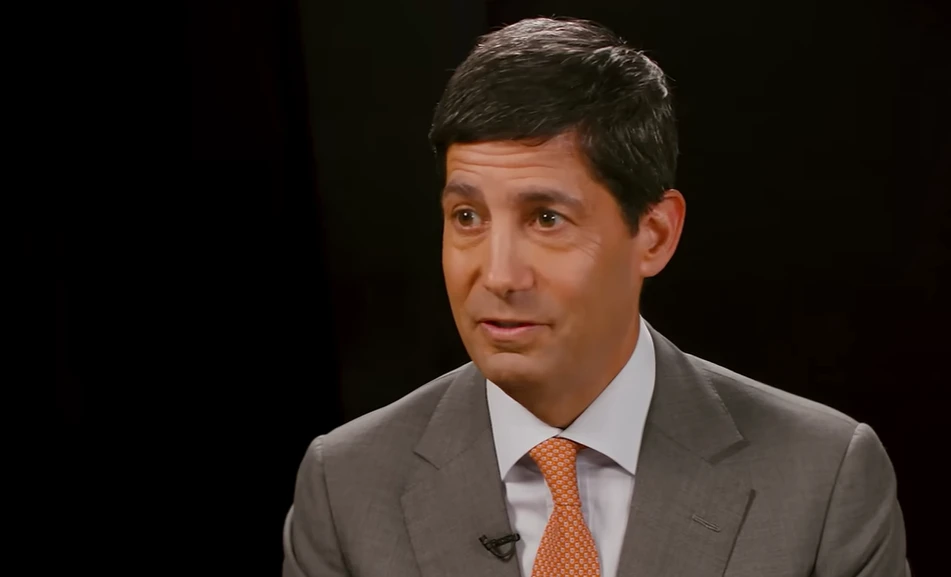
Gaming Finance Roundup: Why Kevin Warsh Matters for 2026
Capital is getting pricier, investors are pickier, and gaming executives have less room for bad timing. That is why this gaming finance roundup matters right now. If policy names like Kevin Warsh move closer to real influence in 2026, the effect will not stay in Washington. It could hit borrowing costs, M&A appetite, consumer spending, and the valuation math behind casino, sportsbook, and iGaming businesses. You can ignore macro signals for a while, but not forever.
Look, gaming tends to sell a growth story. But growth stories get marked down fast when rates stay high and financing windows narrow. For operators, suppliers, and investors, the better question is not whether headlines sound dramatic. It is this: what changes in the money environment would actually alter decisions on deals, expansion, and public market expectations?
What to watch
- Kevin Warsh and 2026 policy chatter matter because interest-rate expectations shape gaming valuations.
- Higher-for-longer rates pressure debt-heavy operators and can cool acquisition activity.
- Public market sentiment still rewards clear cash flow more than vague growth promises.
- Operators with balance-sheet discipline are in a better spot if volatility returns.
Why this gaming finance roundup matters
The source report points to a theme seasoned market watchers know well. Macro policy names can move sectors long before any formal appointment happens. If investors believe a future economic team may favor a tougher inflation stance or a different Fed posture, they start repricing risk early.
That matters in gaming because the sector often sits at the intersection of consumer demand, regulation, and debt markets. A regional casino operator planning a refinance, or a digital betting company looking for fresh capital, does not operate in a vacuum. The cost of money sets the tempo.
Gaming stocks do not move on sector news alone. They move on rate expectations, refinancing risk, and how believable the next earnings story looks.
Kevin Warsh, rates, and gaming finance
Kevin Warsh is best known as a former Federal Reserve governor. Any renewed attention around him is really a proxy for a bigger market question: where could US monetary thinking head into 2026? And if that path signals tighter policy instincts, sectors that depend on financing flexibility will feel it.
Here is the plain-English version. Higher rates make future earnings worth less today. They also make debt more expensive. For gaming companies, especially those carrying leverage from expansion, acquisitions, or property upgrades, that can squeeze both strategy and investor patience.
One sentence says it all.
Money that costs more changes everything.
Think of it like building a stadium in a storm season. The blueprint may still work, but every delay, every material order, and every financing revision gets harder to absorb. Gaming businesses face the same problem when capital markets turn cold.
What operators should do in a tighter gaming finance roundup cycle
If this gaming finance roundup signals anything useful, it is that management teams should prepare for friction, not fantasy. Honestly, that starts with basic discipline rather than flashy announcements.
- Stress-test refinancing plans. Model what happens if rates stay elevated longer than expected.
- Prioritize cash-generating projects. Expansion is easier to defend when payback is visible.
- Trim weak narratives. Investors want evidence, not slogan-heavy strategy decks.
- Review covenant headroom. This is dull work, but dull work keeps companies out of trouble.
- Stay realistic on M&A pricing. Buyers and sellers still live in different worlds on valuation.
That last point matters more than many executives admit. Deal markets tend to freeze when sellers cling to old multiples and buyers use new financing assumptions. We have seen this movie before.
What investors should pull from this gaming finance roundup
Investors looking at gaming, betting, and supplier names should focus less on big narratives and more on operating quality. Which companies can fund growth internally? Which ones need favorable market conditions just to keep the plan on track?
But there is another angle. Some gaming names actually benefit from industry caution. Stronger balance sheets, disciplined capital allocation, and steady free cash flow can stand out when the sector mood turns defensive. That is rarely exciting copy, yet it often beats hype.
Questions worth asking before you buy or back a name
- How much variable or near-term refinancing exposure does the company have?
- Is management buying time, or building durable earnings?
- Does the business rely on promotional spending to show growth?
- Can the company hold margins if consumer spending softens?
Those questions are non-negotiable. And yes, that applies to both public equities and private deals.
Where gaming subsectors could feel the pressure first
Not every part of the industry reacts the same way. Land-based casino groups with sizable debt stacks may face the most obvious financing strain. Digital operators, meanwhile, can get hit through a different channel. Their valuations often depend more heavily on future growth assumptions, which are sensitive to discount rates.
Suppliers sit somewhere in the middle. They may have steadier contracted revenue, but customer spending slows if operators pull back on capital expenditure. That can ripple into slot rollouts, platform upgrades, and tech procurement (especially projects that are nice to have rather than urgent).
So where does that leave the market? With fewer easy wins. The next phase likely rewards patience, selective investment, and tighter storytelling from management teams.
Reading between the lines of the source report
The source article from iGB highlights a classic finance-market behavior. Personnel chatter is never just about personnel. It is about what markets think those names signal on inflation, rates, regulation, and political direction.
For gaming, this means finance coverage deserves more attention than it usually gets. The sector likes product launches, licensing stories, and market-entry headlines. Fair enough. But financing conditions often decide which of those plans become real businesses and which stay on investor slides.
Here is my read after years of watching this beat. The market is done rewarding vague ambition. It wants cleaner balance sheets, sharper execution, and proof that management understands the cost of capital. That is a healthy correction.
What happens next
You do not need to overreact to every Washington rumor. But you should watch what those rumors do to rate expectations, treasury yields, and financing sentiment. That is where the real signal sits.
If 2026 policy speculation keeps building, gaming companies will need to show they can perform without easy money. Some will manage it. Some will not. The gap between those two groups could get wide fast, and that is where the smart money usually starts looking.