DraftKings Prediction Market Edge vs FanDuel Strategy
Sports betting in the US is entering a sharper, more contested phase. Operators are no longer fighting only on promos, same-game parlays, and market access. They are starting to fight on product structure itself, and DraftKings prediction market positioning is now part of that story. That matters because the next wave of growth may come from products that sit adjacent to standard sportsbooks, especially as regulators, investors, and public companies look for fresh revenue paths. FanDuel, meanwhile, appears more focused on refining the core sportsbook machine. So what does this split tell you? It suggests the biggest brands are placing different bets on where user demand, regulation, and margin expansion will go next.
What stands out right now
- DraftKings prediction market messaging points to a wider product ambition beyond the classic sportsbook.
- FanDuel seems more intent on sharpening sportsbook execution instead of chasing every adjacent format.
- The contrast reflects a larger industry question about regulation, trading flexibility, and customer acquisition costs.
- Investors should watch product mix, not just handle and revenue headlines.
Why the DraftKings prediction market push matters
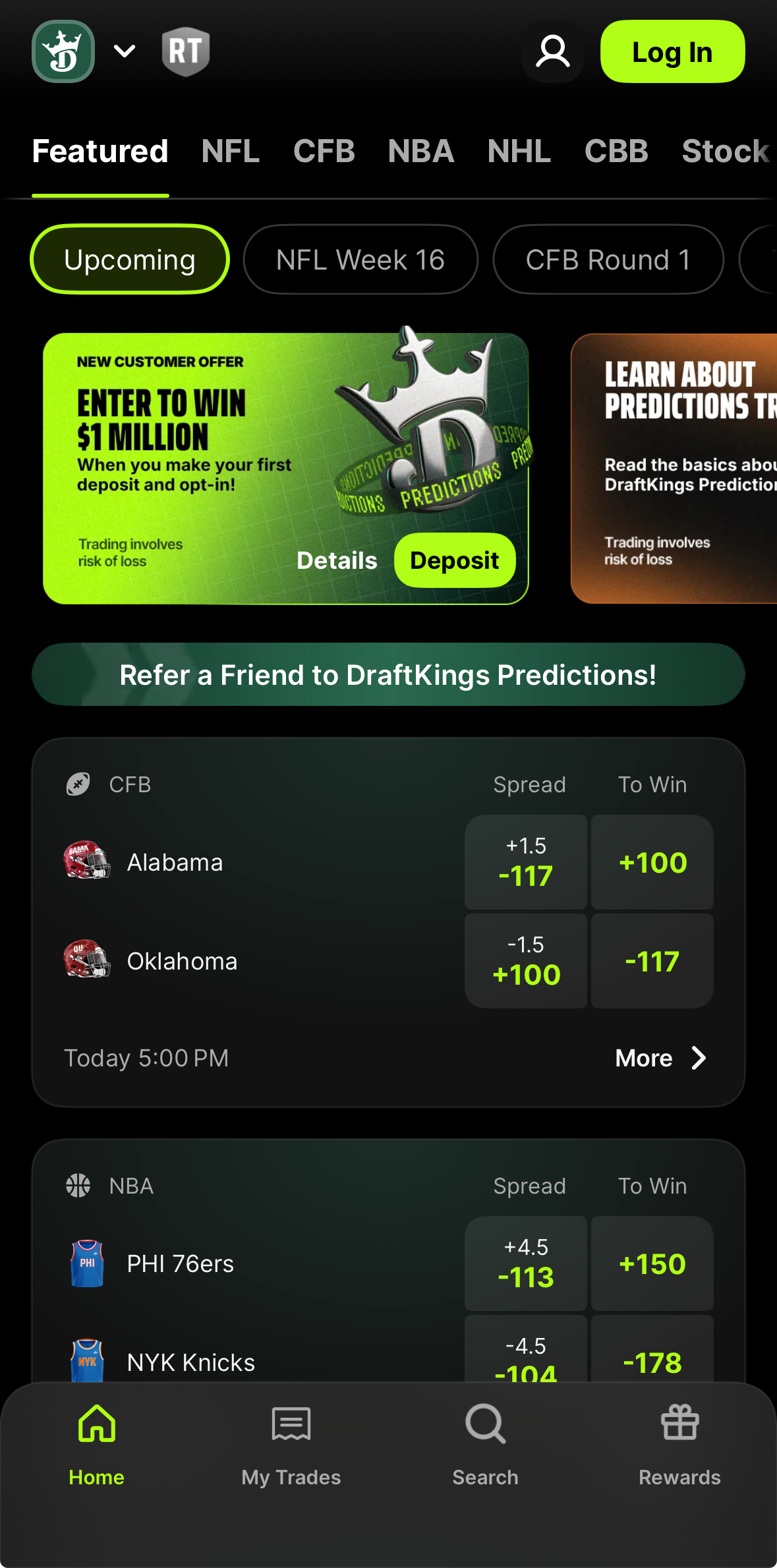
DraftKings appears to be signaling that prediction markets could offer a strategic opening. That is not a small point. In a market where sportsbook products can look increasingly similar, differentiation matters.
Prediction markets sit in an interesting spot between trading, betting, and event-based speculation. For a public company like DraftKings, the appeal is easy to see. If traditional sportsbook growth starts to slow in mature states, adjacent products can help widen the funnel and keep high-value users engaged.
And there is another angle. Control.
Operators want product lanes that give them more room to experiment, price events differently, and tap users who may be interested in politics, economics, or cultural events rather than just NFL sides and NBA props. Think of it like a media company adding podcasts after maxing out its newsletter growth. The audience is nearby, but the format changes the economics.
DraftKings seems to be arguing that future advantage will come from product breadth, not only sportsbook efficiency.
How FanDuel sportsbook strategy looks different
FanDuel has often looked strongest when it does the basics better than rivals. Pricing, product polish, retention, and broad user familiarity have helped it stay in a leading position across many states. Rather than stretch too far, FanDuel seems to be tuning the main engine.
Honestly, that may be the cleaner bet.
A sportsbook leader does not always need to be first into every adjacent market. It can win by making the core product faster, stickier, and more profitable. That includes better same-game parlay construction, smarter player segmentation, and a more disciplined promotional approach. None of that sounds flashy. It does, however, move real money.
For readers who follow operator strategy, this split is worth watching because it reflects two very different philosophies:
- Expand the product map and look for a fresh edge.
- Protect leadership by refining the proven model.
What the DraftKings prediction market debate says about regulation
Here is where things get thorny. Prediction markets may look attractive as a commercial opportunity, but their long-term value depends on regulatory treatment. Sports betting already operates under a state-by-state regime. Event contracts and similar structures can raise a different set of questions involving federal oversight, product classification, and market scope.
That is the real tension.
If DraftKings sees prediction markets as a strategic advantage, it also has to deal with legal uncertainty and public policy scrutiny. Regulators are rarely thrilled when gambling-adjacent products move faster than the rulebook. And if states decide these products cut too close to sports wagering without fitting existing licensing boxes, operators could face friction quickly.
But if a viable path opens up, the upside could be seismic. A broader event trading ecosystem could attract users who do not think of themselves as sportsbook bettors at all.
Questions operators will have to answer
- Which regulator has primary authority over the product?
- How should consumer protections apply?
- Will states view event contracts as competition with licensed sportsbooks?
- Can operators market these products without confusing users about risk and rules?
What bettors and investors should watch next
If you are a bettor, the immediate impact may be limited. You are unlikely to see the market change overnight just because executives are emphasizing different priorities. But over the next year, product menus, cross-sell offers, and app layouts could start telling a clearer story.
If you are an investor or industry watcher, focus on a few practical signals (not the glossy talking points):
- Whether DraftKings gives prediction-adjacent products more visible placement or investment.
- Whether FanDuel keeps gaining through sportsbook execution rather than category expansion.
- How regulators respond to newer market formats.
- Whether customer acquisition costs improve through product diversification.
Look, companies talk strategy all the time. The useful part is not the talking. It is where capital, compliance resources, and product talent actually go.
Could both companies be right?
Yes, and that is what makes this interesting. DraftKings may be right that the next edge comes from moving beyond the standard sportsbook model. FanDuel may be right that market leadership gets stronger when you stop chasing every shiny object and keep tightening the machine.
What if the market supports both approaches? That is possible, especially if user segments keep splitting. Casual bettors may prefer a smooth sportsbook with familiar features. More experimental users may want event-based products that feel closer to trading than wagering.
The bigger issue is timing. Being early can look smart or reckless depending on how regulation lands. Being disciplined can look wise or stale depending on where consumer demand shifts. This is less like picking a single winning stock and more like building a roster. You need scoring, defense, and depth. One strategy alone rarely carries the whole season.
Where this leaves the US betting market
The US market is maturing, and mature markets punish lazy strategy. Operators cannot rely forever on promo wars and state launches to cover weak product thinking. They need a clearer theory of where growth comes from next.
DraftKings prediction market messaging suggests one answer. FanDuel sportsbook strategy suggests another. Neither path is guaranteed, but both reveal something useful. The easy growth phase is fading, and the next contest will be shaped by product design, legal structure, and who reads customer behavior more accurately.
My view is simple. FanDuel’s restraint looks sensible right now, but DraftKings may be asking the more interesting question. If the lines between betting, trading, and event speculation keep blurring, who is really building for the market that arrives two years from now?