São Paulo Betting Ads Ban Puts Football Sponsorships at Risk
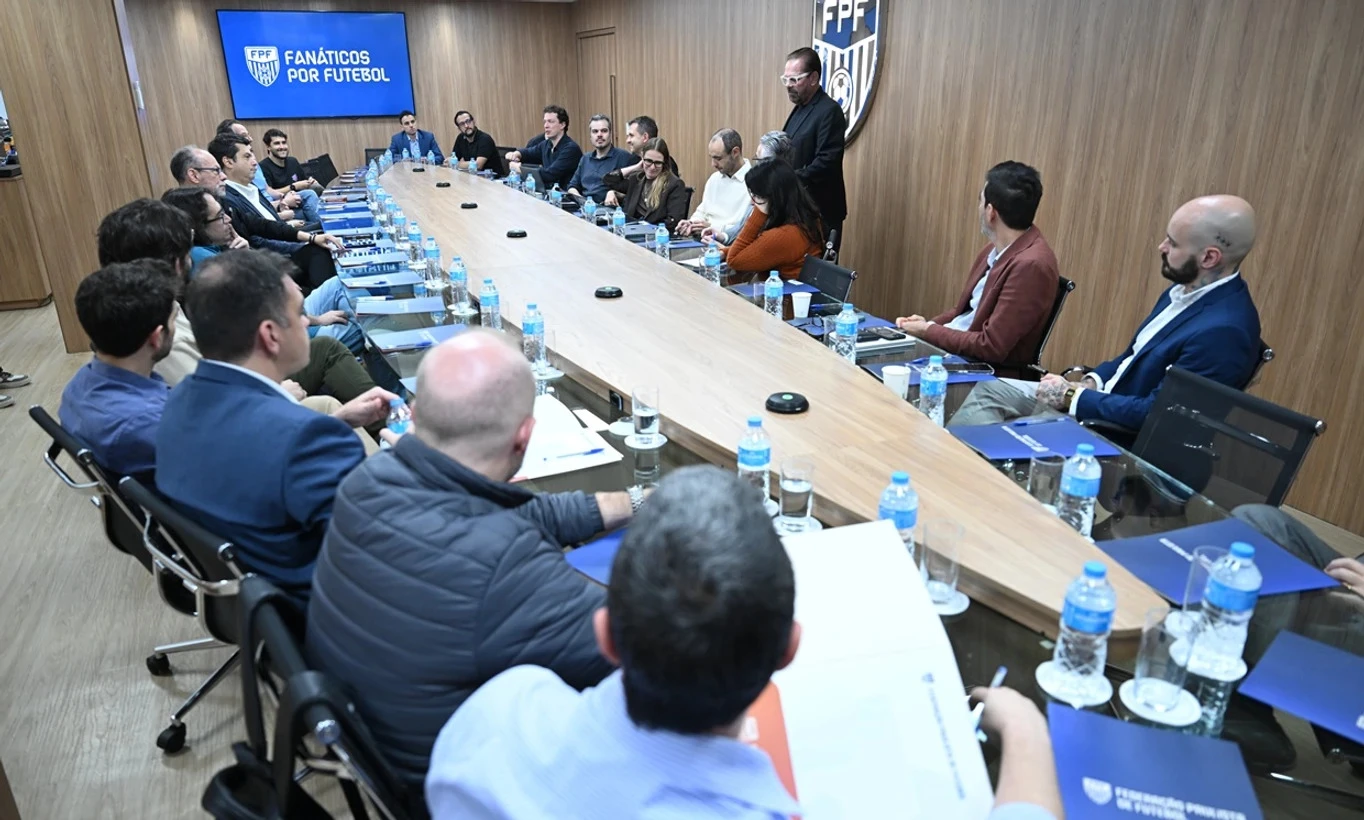
Football clubs in Brazil have a new problem, and it is not happening on the pitch. The proposed São Paulo betting ads ban could cut into sponsorship money at the exact moment clubs are rebuilding commercial plans around Brazil’s regulated betting market. According to iGaming Business, São Paulo football clubs have raised concerns over state-level bills that would restrict betting advertising and sponsorship tied to sport.
This matters because betting brands have become some of the most visible backers of Brazilian football. Shirt fronts, stadium boards, broadcast inventory, and digital campaigns all now carry betting names. If lawmakers pull that money away too quickly, clubs will feel it in player budgets, youth development, and matchday operations. And here is the harder question: does a broad ban actually protect consumers, or does it push the market back into the shadows?
What to Watch
- São Paulo clubs are warning that betting ad restrictions could weaken football finances.
- The debate sits awkwardly beside Brazil’s new federal framework for fixed-odds betting.
- A blanket ban may punish licensed operators while illegal sites keep chasing players online.
- Lawmakers still have room to tighten standards without wiping out sponsorship income.
Why the São Paulo Betting Ads Ban Matters Now
Brazil has moved from a grey betting market toward a licensed model. Federal Law No. 14,790, approved in 2023, created the legal base for fixed-odds betting regulation, with the Ministry of Finance and its betting secretariat overseeing authorisations, tax rules, and operator standards.
That shift changed the tone of the sponsorship market. Clubs that once dealt with offshore brands in a murky environment can now point to a federal licensing process. Operators, in turn, want trusted sports inventory because football remains Brazil’s strongest attention machine.
A state-level advertising ban cuts across that federal direction. Not legally in every detail, but commercially and politically. If Brazil tells operators to apply for licences, pay fees, follow rules, and market responsibly, then São Paulo cannot treat every betting ad as if it came from a black-market pop-up site.
Here is the tension: regulation needs visibility to work. If licensed brands cannot advertise, consumers may struggle to tell legal operators from illegal ones.
What a São Paulo Betting Ads Ban Would Change for Clubs
The first impact would be sponsorship valuation. Betting companies pay because football gives them reach, repetition, and emotional context. Remove that channel, and the same sponsorship package becomes worth less overnight.
Clubs do not sell one logo in isolation. A main sponsor deal often includes training kit placement, LED boards, interview backdrops, social media posts, hospitality, and player image rights (within contract limits). If betting visibility disappears, commercial teams have to replace a full menu of assets, not a single billboard.
That is like removing a load-bearing wall from a stadium renovation and hoping the roof politely stays where it is.
For the largest clubs, the damage may be manageable. They have broader sponsor portfolios, larger fan databases, and stronger broadcast exposure. Mid-tier and smaller clubs have less room to absorb the hit. For them, one front-of-shirt sponsor can decide whether a season’s budget balances.
The Consumer Protection Case Is Real
Lawmakers are not inventing concern from thin air. Brazil has seen a surge in betting visibility, and some of it has been clumsy. Aggressive bonus messaging, influencer-led campaigns, and constant matchday ads can blur the line between sport and gambling.
That deserves scrutiny. Any serious betting market needs firm rules around minors, responsible gambling, misleading odds claims, credit betting, and celebrity endorsements. If fans see a club badge beside a betting brand, the message carries extra weight.
But a ban is the bluntest tool in the box.
Better policy would separate licensed, compliant advertising from reckless promotion. The aim should be less noise, clearer warnings, and strict enforcement. Not a commercial vacuum that illegal operators can exploit through search ads, messaging apps, and social platforms outside easy state control.
Better Options Than a Full Betting Ad Ban
São Paulo lawmakers have choices. They can protect vulnerable consumers and still keep regulated sponsorship money inside football. The strongest route is targeted restriction, not blanket removal.
- Ban betting ads aimed at minors. No youth kits, school events, child-focused influencers, or campaigns using underage imagery.
- Require licence disclosure. Every ad should show whether the operator is authorised in Brazil, with a clear registration reference.
- Limit bonus language. Promotions should not imply guaranteed profit, easy income, or risk-free play.
- Set match broadcast standards. Reduce ad frequency during live games and require responsible gambling messages that viewers can actually read.
- Audit club sponsorships. Clubs should prove that sponsors meet federal rules before putting names on shirts or stadium assets.
This approach gives regulators a sharper blade. It also makes clubs part of the compliance chain. If a team accepts money from a non-compliant operator, it should face consequences. That is fair.
How Clubs Should Respond to the São Paulo Betting Ads Ban Debate
Clubs will not win this argument by saying, “we need the money.” That may be true, but it sounds weak in a public health debate. They need to show they can sell responsibly and police their own partners.
A practical response should include three moves. First, publish sponsorship standards that rule out unlicensed betting partners. Second, add responsible gambling clauses to all commercial contracts. Third, report the share of commercial income tied to betting, even in broad bands, so lawmakers understand the financial exposure.
Honestly, football has been too comfortable taking betting money without explaining the guardrails. That worked while the market was loose. It will not work under a licensed regime that faces daily political pressure.
What Operators Should Learn From This Fight
Betting brands should treat São Paulo as an early warning. The public mood can turn fast when advertising feels inescapable. If operators want long-term access to football, they need restraint before lawmakers impose it for them.
That means fewer shouty bonus campaigns, cleaner affiliate practices, and better age-gating. It also means supporting self-exclusion tools, deposit limits, and visible help resources. Regulators notice the difference between a brand that acts like a licensed business and one that acts like a late-night spam text.
Look, sponsorship is not a right. It is a permission structure built on trust. If operators burn that trust, clubs will pay the bill with them.
The Bigger Brazil Betting Question
The São Paulo dispute points to a larger policy problem. Brazil is trying to build a national betting system while local lawmakers respond to local pressure. That can create a patchwork of restrictions that confuses clubs, operators, broadcasters, and fans.
Federal regulators should not ignore state concerns. They should answer them with clear national advertising standards, public enforcement data, and fast action against illegal operators. If the legal market looks soft, state bans will gain support.
Clubs also need to accept that the old sponsorship free-for-all is over. The next phase will be more controlled, more documented, and probably less profitable at the margins. That is still better than a sudden ban that drains money from sport while doing little to stop offshore betting access.
What Happens Next
The smart compromise is not hard to see. Keep betting sponsorships available for licensed operators, cut exposure to minors, tighten bonus claims, and punish clubs or brands that break the rules. That gives São Paulo a consumer protection win without detonating football budgets.
If lawmakers want a safer market, they should regulate the signal, not switch off every legal channel. The next move belongs to clubs and operators: prove that betting money can come with real limits, or watch politicians write those limits for them.