Ocasio-Cortez Hits 19% on Polymarket
Polymarket traders have pushed Ocasio-Cortez Polymarket odds to 19%, and that matters because prediction markets do not move on vibes alone. They move when traders see a path, a shift in momentum, or a clean way to price risk. That makes this number worth watching, even if you think political betting markets can be noisy. What looks like a small percentage can still signal a real change in how traders are reading the field.
For readers who track political markets, this is the kind of move that can reshape the conversation. It does not mean the race is settled. But it does tell you where money is flowing right now, and money tends to be less polite than pundits.
What the 19% price tells you
- The market sees upside. A 19% price implies traders think Ocasio-Cortez has a plausible route to win, even if she is not the front-runner.
- Momentum matters. Prediction markets often react fast to news, polling shifts, and campaign signaling.
- It is not a forecast in stone. Polymarket reflects current sentiment, not a guaranteed outcome.
- Small moves can be meaningful. In thin or volatile markets, a few large trades can change the number quickly.
Look, the trap is to treat a live market price like a final answer. It is closer to a scoreboard in the third quarter than the final whistle. And that is exactly why people follow it.
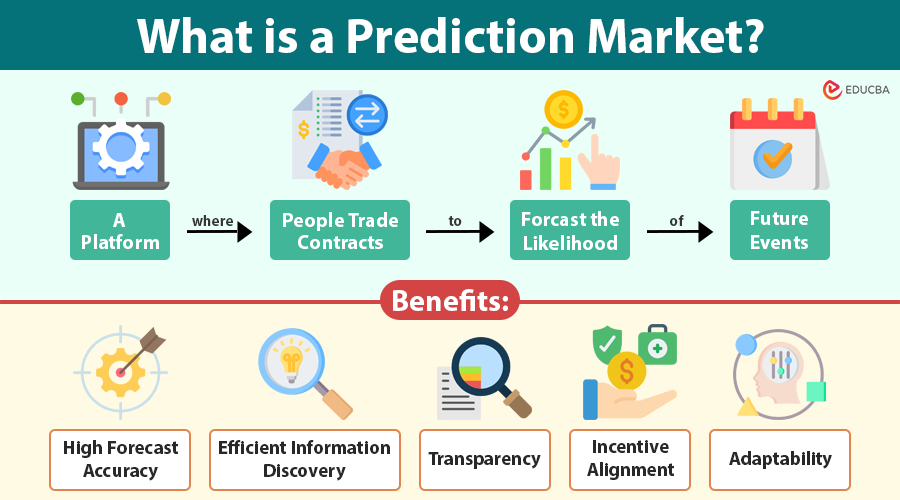
Prediction markets are useful because they force a price on uncertainty. They are also messy because traders can crowd into the same narrative at the same time.
Why Ocasio-Cortez Polymarket is moving now
There are usually three forces behind a jump like this. First, traders react to fresh political news. Second, they chase momentum once a number starts climbing. Third, they position around the possibility that a candidate is more viable than the public commentary suggests.
That last part is the one most people miss. Markets often price the chance that a candidate becomes more competitive later, not just the state of the race today. Think of it like a soccer team pressing high before halftime. The score has not changed yet, but the pressure is real.
What traders may be watching
- Polling changes in key races
- Campaign fundraising or endorsement signals
- Media coverage that expands the candidate’s reach
- Broader voter sentiment on the issues she owns politically
And yes, narrative matters. But narrative alone does not usually hold a price unless it keeps showing up in the data.
How to read Polymarket without getting fooled
Prediction markets work best when you use them as one input, not a verdict. The smartest move is to compare the market price with polls, campaign activity, and the timing of the move. Did the price rise before the news cycle caught up, or did traders simply pile in after the headlines?
That question matters because markets can be ahead of the press, or just faster at copying it. The difference is non-negotiable if you want to understand what the number means.
- Check the time frame. A 19% price today may not mean much if the event is far off.
- Look for volume. A move backed by heavy trading is more credible than a thin spike.
- Compare with other signals. Polls, fundraising, and endorsements should line up with the market if the move is durable.
- Watch for reversal risk. Prediction markets can snap back fast when hype cools.
Honestly, this is where most casual observers get burned. They see a number, assume it is destiny, and stop asking questions. Why would you do that when the whole point is to understand uncertainty?
What this means for bettors and political watchers
If you follow political markets, the main lesson is simple. A 19% price is not a moonshot. It is a live, tradable signal that the candidate belongs in the serious conversation.
For bettors, that can matter for pricing related markets, especially if the broader field is still shifting. For political watchers, it is a reminder that online betting communities often react faster than traditional commentary. Sometimes they are wrong. Sometimes they are early.
Either way, Ocasio-Cortez Polymarket now sits in a zone where every new poll, statement, or campaign move can nudge the number again. The next move will tell you more than the current one. Keep your eyes on the trade, not just the headline.
What happens next?
The real test is whether the 19% holds or fades once the current excitement passes. If the price stays firm, traders are saying the candidate has lasting upside. If it slips, the market is probably calling this a short-lived spike.
That is the part worth watching now. Not the headline number. The next adjustment.