UK Bingo Licensing Faces an Identity Test
You can see the problem the moment you walk into a modern bingo venue or open a bingo app. The game still has calls, tickets, prizes, and regular players, but the business around it now looks far broader. UK bingo licensing has to cover retail clubs, online rooms, side games, slots, promotions, and community-style play that does not fit neatly into one box. That matters now because operators need certainty before they invest, while regulators need to know what product they are actually supervising. If bingo is treated too much like casino gaming, its social character gets squeezed. If it is treated too lightly, consumer protection gaps appear. The tension is not new, as iGaming Business has reported, but the pressure has grown as bingo products borrow mechanics from everywhere else in gambling.
What stands out
- UK bingo now sits between gambling, entertainment, social clubs, and digital gaming.
- Licensing decisions affect product design, marketing, premises rules, and player protection duties.
- Online bingo has made the category harder to define because slots and casino games often sit one click away.
- Operators need clearer internal rules, not just a licence on the wall.
Why UK bingo licensing feels unsettled
Bingo has always been social.
That short sentence carries a lot of regulatory weight. Traditional bingo clubs are not built like casinos, and many customers see them as routine leisure spaces where the chat matters as much as the prize board.
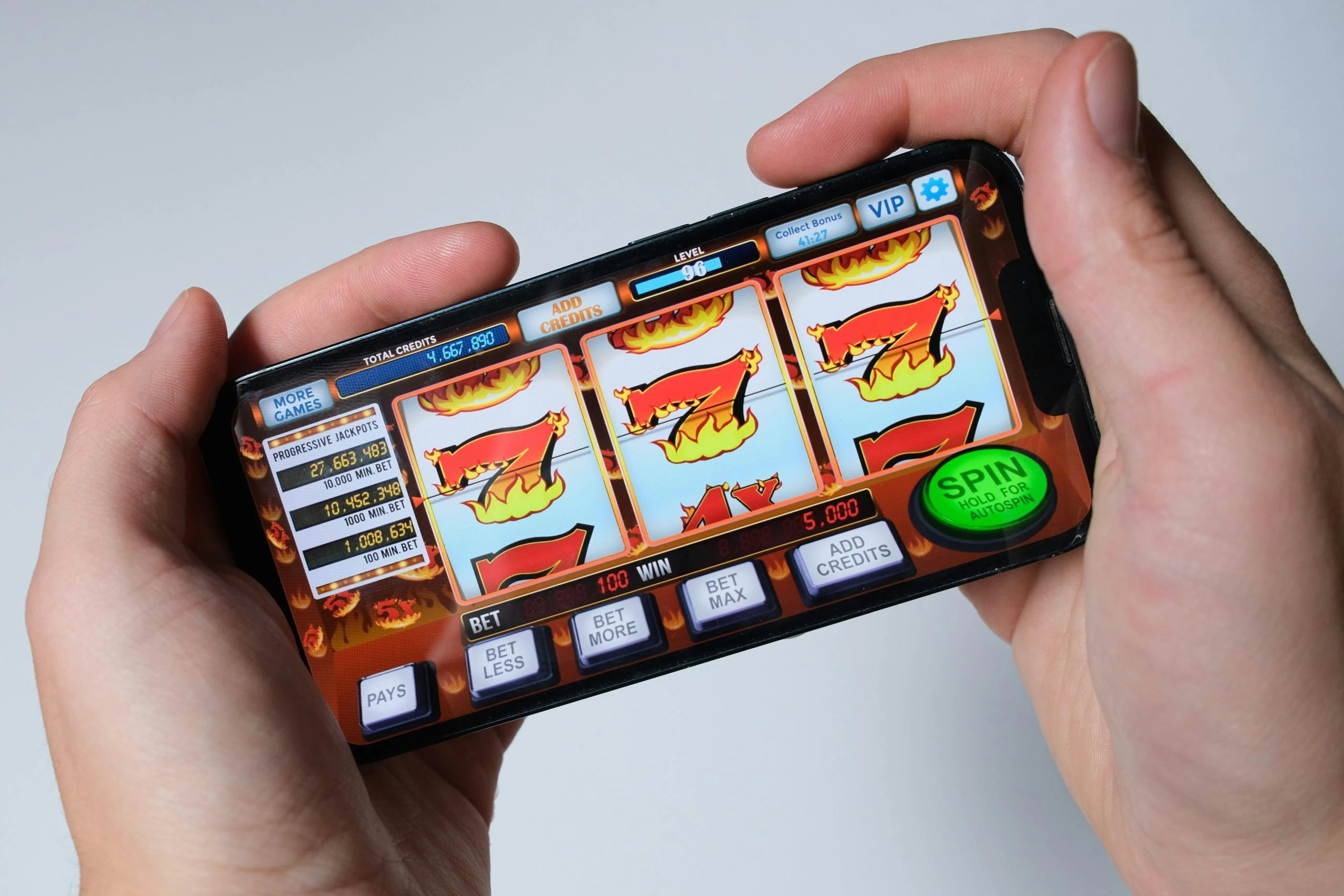
But the commercial model has shifted. Operators now mix main-stage bingo, electronic bingo terminals, linked jackpots, food and drink, online accounts, and casino-style side games, which makes the category look less like one product and more like a bundle.
The hard question is not whether bingo is gambling. It clearly is. The harder question is how much of the modern bingo business should be regulated as bingo, and how much should be treated like adjacent gambling activity.
That distinction matters because UK gambling law does not regulate vibes. It regulates products, premises, risk, and conduct, which means a friendly brand can still trigger serious compliance duties if the mechanics create gambling risk.
What UK bingo licensing actually covers
A bingo operator in Great Britain usually needs the right operating licence from the Gambling Commission. If the business runs land-based bingo, it also needs the correct premises permissions through the local authority framework.
Remote bingo brings another layer. Online operators need remote permissions, technical standards, anti-money laundering controls where applicable, age checks, safer gambling tools, and marketing controls that stand up to scrutiny from the Gambling Commission and the Advertising Standards Authority.
The retail problem
Retail bingo clubs have to manage a split identity. They are social venues, but they also host regulated gambling activity, and some now rely on machines or digital formats to keep revenue moving.
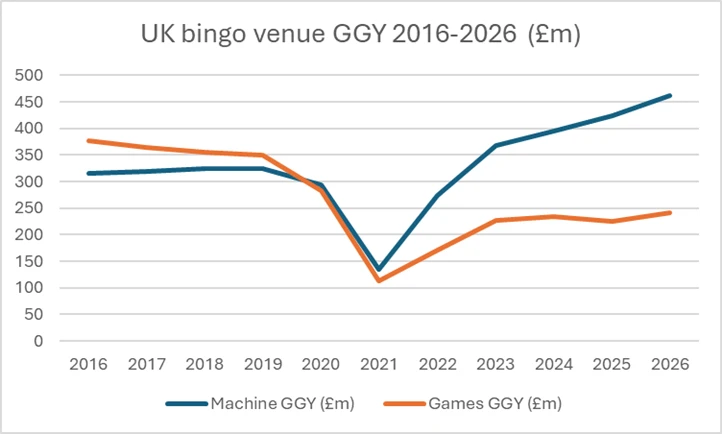
Here is the uncomfortable part. If the non-bingo parts of the venue become the economic engine, the regulator will ask whether the bingo label still describes the real business.
The online problem
Online bingo has an even sharper edge. Many sites place bingo rooms beside slots, instant wins, casino tables, and promotional mechanics that look nothing like the community game older players remember.
Is a customer there for bingo, or are they being moved through a casino funnel with bingo as the friendly front door? That is the question operators should assume regulators are asking.
The identity crisis is commercial, not just legal
Licensing debates often sound dry, but this one goes straight to the business model. Bingo operators need margins, and pure bingo can be a tough sell in a market where slots produce faster turnover and cleaner digital metrics.
Look, I have covered gambling regulation long enough to distrust tidy labels. A product category can keep the same name for decades while the economics underneath change completely.
The analogy I keep coming back to is a football club that starts earning more from real estate than match tickets. It may still wear the shirt, but everyone can see the center of gravity has moved.
For bingo, that shift creates reputational risk. If operators sell the warmth of bingo while pushing high-intensity products around it, they invite tougher licensing questions and a colder response from policymakers.
Where operators get exposed
The biggest mistake is treating the licence as a static asset. In practice, UK bingo licensing is tied to how the business behaves day by day, especially when product design, payments, and marketing change.
Operators should review the pressure points that tend to draw attention:
- Product mix: Track how much revenue comes from bingo versus machines, slots, casino games, and instant-win products.
- Customer journeys: Map where players land after registration, after a bingo session, and after a loss.
- Promotions: Check whether bonuses push bingo customers toward faster, higher-risk games.
- Venue layout: In retail clubs, assess whether machines dominate the space or support the bingo offer.
- Safer gambling data: Make sure intervention triggers cover all products, not just the nominal bingo activity.
These checks are basic, but they are often where the real story sits. Regulators rarely need grand theories when the customer journey already shows the answer.
What clearer rules should do
Better guidance would help, but nobody should pretend that one new definition will fix everything. Bingo is a format, a venue culture, a digital product, and a marketing identity, depending on where you look.
A useful approach would focus on function. If a product behaves like bingo, regulate it as bingo. If it behaves like slots or casino gaming, the surrounding brand should not soften the compliance test.
Clearer rules should cover three areas:
- Boundary tests: Regulators should explain when bingo-led activity becomes casino-led activity.
- Revenue disclosure: Operators should understand how product revenue mix may affect licensing risk.
- Promotion standards: Marketing should not use bingo’s social image to pull vulnerable players into higher-risk products.
This would give serious operators a cleaner planning base. It would also make life harder for businesses that use bingo as a soft wrapper for more aggressive gambling.
What this means for bingo brands
Bingo still has strengths that many gambling verticals lack. It has community, routine, lower-stakes play in many settings, and a customer base that often values the social rhythm of the game.
But that advantage can disappear if the product becomes indistinguishable from everything around it. Once bingo loses its own shape, it becomes harder to defend special treatment in licensing, planning, tax, or public debate.
Operators should be blunt with themselves (before a regulator does it for them). If bingo is central, prove it through design, revenue, staffing, training, and customer care.
If bingo is mainly a brand layer over slots and casino content, call that what it is. The market can handle honesty better than fog.
The next move
UK bingo licensing needs a cleaner test for a messier market, and operators should not wait for a formal reset before tightening their own controls. Start with the customer journey, follow the money, and ask one plain question: would an outsider still recognise this business as bingo?