PLAYSTUDIOS Social Casino Lawsuit: What the $3M Settlement Means
If you play social casino apps, you know the pitch. The games look like slots, feel like slots, and sell virtual chips, but the operator says you cannot cash out. The PLAYSTUDIOS social casino lawsuit cuts straight into that tension, and it matters now because courts and plaintiffs keep testing whether paid virtual chips can cross the line into illegal gambling under state law. According to GamblingNews, PLAYSTUDIOS has agreed to pay $3 million to settle claims tied to virtual chips in its social casino products.
The settlement does not mean every social casino app is unlawful. It does show how expensive the gray zone has become. For players, the case raises fair questions about spending, refunds, and consent. For operators, it is another reminder that “free-to-play” is not a magic shield if real money keeps flowing into the app.
What Stands Out
- PLAYSTUDIOS is set to pay $3 million to resolve a virtual chips lawsuit, according to GamblingNews.
- The dispute centers on social casino games where users buy chips but cannot redeem winnings for cash.
- Settlements like this often avoid a final court ruling, so they rarely settle the bigger legal question.
- Operators should review purchase flows, disclosures, refund language, and state-by-state exposure.
- Players should keep purchase records if they believe they may qualify for settlement relief.
Why the PLAYSTUDIOS Social Casino Lawsuit Matters
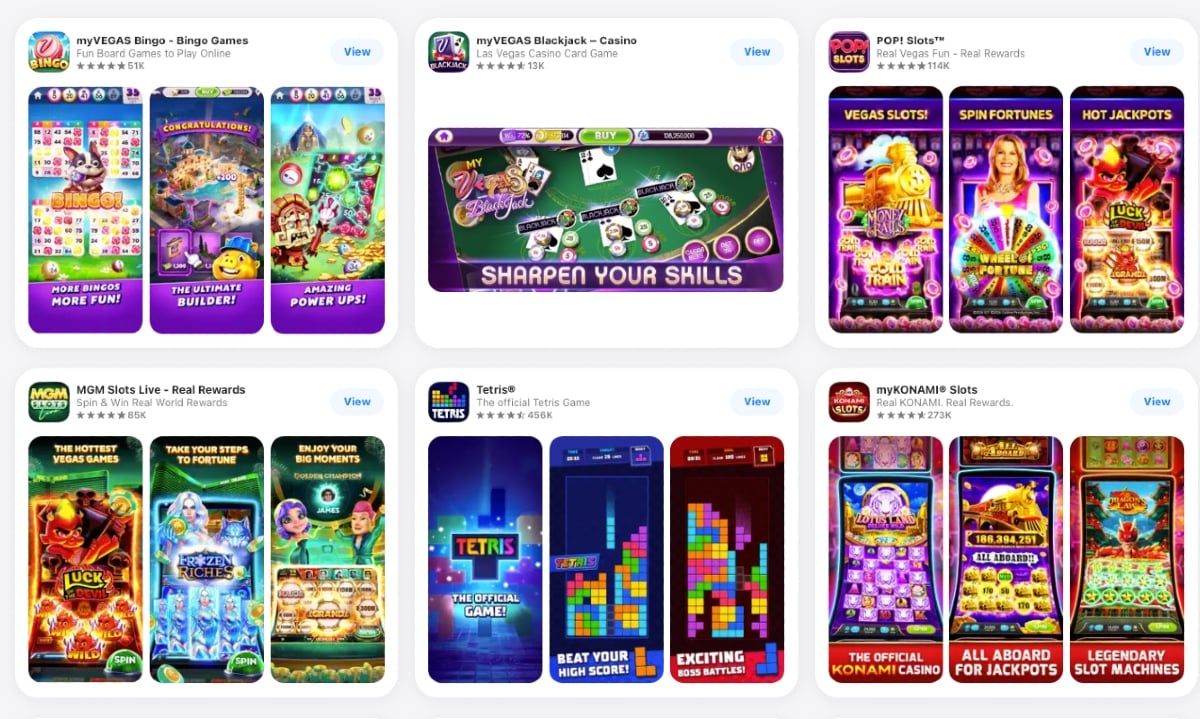
The fight over social casino apps is not new, but the pressure has grown sharper. Plaintiffs have targeted companies that sell virtual coins or chips used in casino-style games, especially slots, blackjack, and bingo formats.
The legal argument usually turns on three ingredients: consideration, chance, and prize. Players pay real money, game outcomes often rely on chance, and extra play time can be framed as a thing of value. Operators push back by saying the chips have no cash value and cannot be redeemed.
The core question is simple. If a player pays money for virtual chips and wins only more virtual chips, is that gambling or paid entertainment?
That question sounds tidy in a law school classroom. In court, it gets messy. State gambling laws differ, and some states have been more receptive to claims involving virtual chips than others.
What PLAYSTUDIOS Is Settling
GamblingNews reports that PLAYSTUDIOS will shell out $3 million to settle the lawsuit over virtual chips. The company is known for social casino titles and loyalty-linked gaming products, including apps tied to the myVIP rewards ecosystem.
Like many civil settlements, this kind of deal is usually about risk control rather than a public confession. Companies often settle to avoid legal fees, discovery, trial risk, and the distraction that comes with a drawn-out class action.
Small chips can create big legal bills.
That is the part operators should not brush aside. Even if a company believes its model is lawful, defending that model in multiple jurisdictions can drain money and executive attention.
How Virtual Chips Create Legal Risk
Social casino operators have long relied on one clean distinction. You can buy chips, but you cannot cash them out. That distinction still matters, but it may not end the analysis.
Some courts and plaintiffs look at whether virtual chips extend gameplay. If players must buy more chips to keep playing, then the chips may have value even without cash redemption. Think of it like buying batting cage tokens. You are not winning money, but the token still buys another swing.
Where the risk tends to appear
- Paid chip bundles: The player spends real money for more chances to play casino-style games.
- Loss-based purchase prompts: The app nudges users to buy more after they run out of chips.
- Ambiguous language: Marketing suggests a casino experience while legal terms call it entertainment.
- State law gaps: A model that looks acceptable in one state may face trouble in another.
- Loyalty tie-ins: Rewards programs can complicate the “no prize” argument if users receive benefits outside the app.
That last point deserves care. Loyalty perks are common in social gaming, and they do not automatically make a product illegal. But if the value chain looks too much like pay, play, and receive benefits, plaintiffs will probe it.
What Players Should Do After the PLAYSTUDIOS Social Casino Lawsuit
If you spent money in a PLAYSTUDIOS social casino app, do not assume anything yet. Settlement processes take time, and eligibility details usually come through a settlement website, notices, or court-approved claims material.
You should avoid random emails or social posts that promise fast refunds. Class action settlements attract scammers because users are primed to enter names, emails, and payment details. A real settlement process should identify the case, the court, deadlines, and the claims administrator.
Practical steps for players
- Check your app store purchase history for PLAYSTUDIOS transactions.
- Save receipts, account emails, and screenshots of relevant purchases.
- Watch for official settlement notices, not social media shortcuts.
- Read the claim form carefully before submitting personal data.
- Pay attention to opt-out and objection deadlines if they apply.
Could the payout per player be small? Yes. In many consumer class actions, the fund covers notice costs, administration, attorney fees, service awards, and approved player claims. The final amount depends on court approval and claim volume.
What Operators and Affiliates Should Learn
Operators should treat this settlement as a compliance nudge, not a one-off headline. The social casino model sits close to gambling in the user’s mind, even when the legal structure says entertainment.
Affiliates have exposure too. If your site promotes social casino apps, your copy should not imply cash gambling, guaranteed rewards, or real-money winnings unless the product actually offers them under a licensed model. Loose language can become evidence.
A safer review checklist
- Make purchase terms visible before checkout, not buried after registration.
- State clearly that virtual chips have no cash value if that is true.
- Avoid phrases that suggest real-money gambling where none exists.
- Review state exclusions and geolocation controls with counsel.
- Audit push notifications that target users after losses or depleted balances.
- Test refund workflows, especially for minors and disputed purchases.
Look, the industry has heard versions of this advice for years. The problem is that growth teams often tune apps for frictionless spending, while legal teams try to defend the product as harmless play. Those goals can clash.
Why This Is Bigger Than PLAYSTUDIOS
The social casino market has always sold a curious mix: casino-style excitement without regulated gambling’s full burden. That bargain gets harder to defend as monetization becomes more refined and spending patterns look more like real casino play.
Regulators have not moved in one clean line. Some concerns have come through gambling law, others through consumer protection, app store policy, privacy rules, and class action litigation. That patchwork is awkward, but it is also how tech regulation often develops in the United States.
The next wave may focus less on whether chips can be cashed out and more on product design. Timed bonuses, streak rewards, loss-chasing prompts, and personalized offers could draw scrutiny if they appear to push heavy spenders. Operators should assume plaintiffs are studying those screens frame by frame.
The Next Test for Social Casino Apps
The PLAYSTUDIOS settlement is not a death sentence for social casino games. It is a price signal. If a company sells casino-style play with paid virtual chips, it needs sharper disclosures, cleaner marketing, and a state law strategy that can survive a hostile reading.
For players, the practical move is simple. Keep your receipts, read official notices, and treat virtual chips as spending, not winnings. For operators, the harder question is now unavoidable: if your product depends on users buying back into a casino-like loop, how confident are you that a judge will see it as harmless entertainment?