Nevada Wants Kalshi Held in Contempt Over Injunction Violations
Nevada has turned its fight with Kalshi into a harder legal question. The state says the prediction market operator kept offering sports-related contracts after a preliminary injunction was entered, and that is why Kalshi contempt motion now matters well beyond one courtroom. If a company keeps pushing ahead after a judge draws a line, what is left of the order?
This is not a small procedural spat. It sits at the center of a bigger clash over whether event contracts tied to sports should be treated like regulated financial products or like sports betting in disguise. For operators, that distinction is non-negotiable. For states, it is about enforcement power. And for anyone watching prediction markets, this case could shape how far a platform can go while a dispute is still pending.
What Nevada says Kalshi did
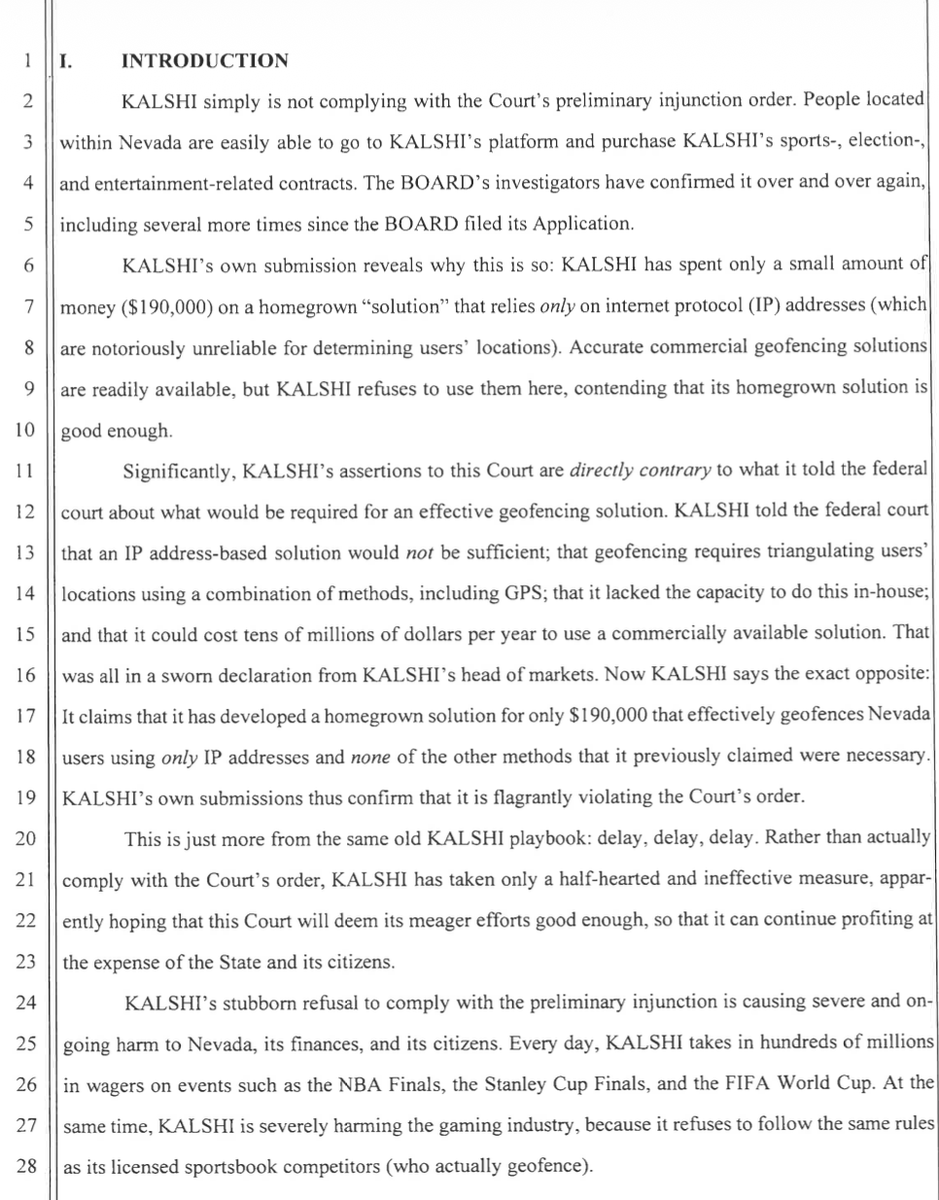
Nevada’s position is straightforward. The state argues that Kalshi violated the preliminary injunction by continuing to offer contracts that the court had already put under a legal cloud. That kind of allegation raises the stakes fast, because contempt is not about a close reading of language for sport. It is about whether a party ignored the court’s order in practice.
The legal fight is happening in a narrow but important space. Kalshi has argued in other cases that its event contracts fall under federal commodities oversight. Nevada sees the products differently. The state says contracts linked to sports outcomes should not slip past state gambling rules just because they wear a financial-market label.
“If a court order pauses a product, then the product is supposed to pause. That is the whole point.”
That logic sounds basic, but these cases rarely stay basic for long. The moment a platform keeps operating, each side starts reading intent into every move. Was the company preserving access for users, or testing the edges of the order?
Why the Kalshi contempt motion matters now
The contempt request matters because preliminary injunctions are supposed to freeze conduct while the merits are still being argued. If one side can keep rolling out the disputed product anyway, then the injunction loses bite. Courts do not like that.
For Kalshi, the issue is also reputational. Prediction markets depend on trust. Users need to believe the platform can stay open, process contracts, and survive regulator pressure. But if a judge thinks the company crossed the line, that trust gets shaky very fast.
And for Nevada, the contempt push is a signal. The state is not just objecting to the product. It is challenging the company’s behavior after the court spoke. That is a much sharper claim.
How courts usually look at contempt claims
Courts generally ask whether the order was clear and whether the party acted in a way that violated it. The details matter. Was the injunction specific enough? Did the company have notice? Did it continue the same conduct, or did it make a real change?
That is where these fights get technical fast. A platform may argue that it modified contract terms, paused some markets, or interpreted the order in a narrow way. The other side may say those changes were cosmetic. Same engine. New paint.
Here is the practical lens:
- Did the injunction clearly cover the contracts at issue?
- Did Kalshi have notice of the order?
- Did the company keep offering the disputed products after the order took effect?
- Did it take good-faith steps to comply, or did it push ahead on a technical reading?
That kind of checklist is not glamorous. But it is how judges separate a real compliance effort from a convenience argument.
What this means for prediction markets and sports betting
The overlap between prediction markets and sports betting has become a hot boundary line. That line is starting to look less like a wall and more like a fence with a lot of stress on it. If Kalshi can keep sports-linked contracts in the market while state regulators object, other operators will watch closely.
Think of it like a football team running the same play after the referee has blown the whistle. The coaching staff may call it strategy. The ref calls it a dead ball.
The broader question is obvious: can a federally supervised event contract model coexist with state gambling rules when the underlying event is a game result? The answer is still being fought out. And every contempt filing adds heat to that fight.
Three practical takeaways for operators
- Order language matters. If an injunction touches your product, read it like a regulator would, not like a marketer would.
- Compliance moves need to be visible. Quiet internal changes may not help if the public-facing product still looks the same.
- Litigation timing is part of strategy. Staying active during an injunction can save revenue in the short term and cost far more later.
The next legal pressure point in the Kalshi contempt motion
The next step is not just about whether Nevada is right. It is about whether the judge believes Kalshi crossed from gray-area interpretation into defiance. That distinction will shape the remedies, if any, and it will tell the market how much room a platform really has while an injunction is on the books.
Look, this is why these cases matter outside Nevada. They are not only about one company or one state. They are about whether regulated prediction markets can keep stretching into sports without triggering a harder crackdown. If you run a product in this space, are you built for a rules fight, or just hoping the rules stay blurry?