Wisconsin Online Sports Betting Compact Talks
Wisconsin online sports betting is back in the conversation, and that matters because the state has spent years sitting on the sidelines while nearby markets kept growing. If you follow gaming policy, you already know the real issue is not demand. It is control. Who runs the bets, where the servers sit, and whether the tribes that hold gaming rights in Wisconsin will agree to the terms.
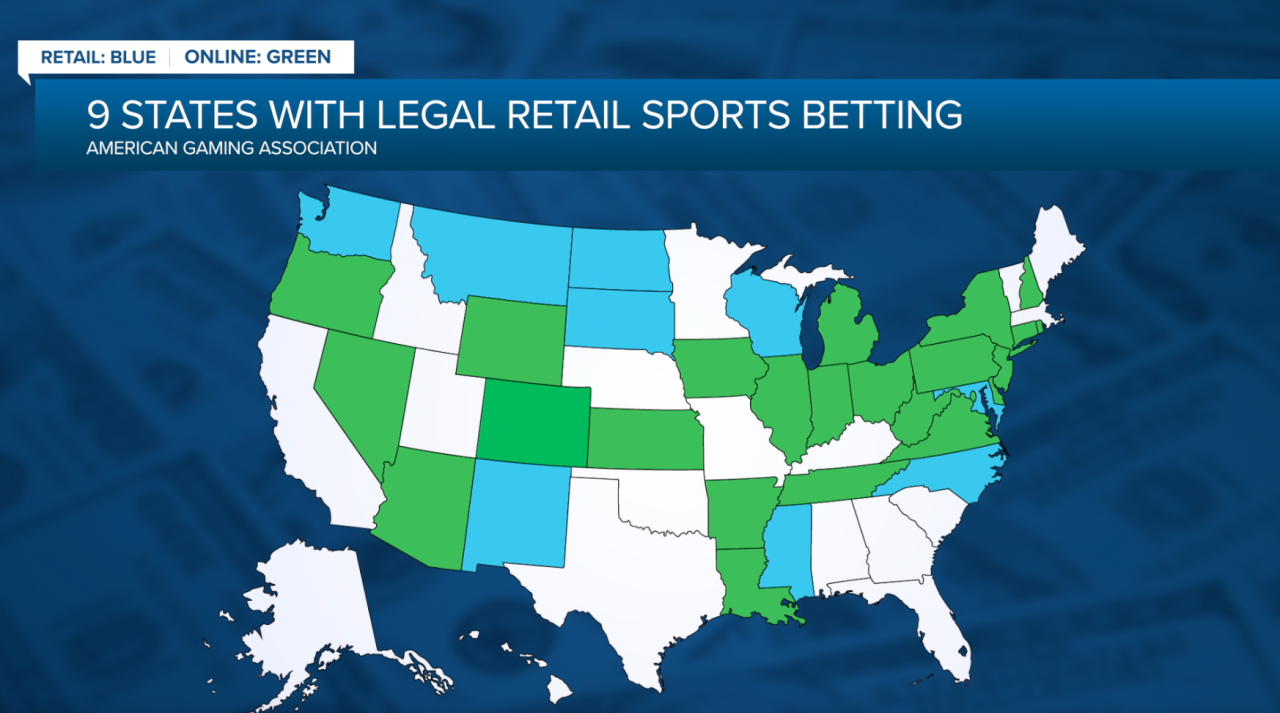
That is why compact talks matter now. They could set the rules for mobile wagering in a state where online betting has been blocked by law and politics, even as retail sports betting has moved ahead at tribal casinos. For operators, lawmakers, and bettors, the stakes are plain. Get the compact right, and Wisconsin could build a legal mobile market. Get it wrong, and the state stays stuck in limbo.
This is one of those policy fights that looks technical on paper and seismic in practice. Think of it like building a house on a narrow foundation. You can add rooms later, but the base decides whether the whole thing stands.
What the compact talks could change
- Online betting could become legal only through tribal compacts.
- Tribal nations would likely keep the lead on market access.
- Any deal would still need federal review under the Indian Gaming Regulatory Act.
- Mobile wagering could mirror the structure used in other tribal-led states.
- Statewide rollout would depend on political and legal buy-in, not just demand.
Why Wisconsin online sports betting is a tribal issue first
Wisconsin does not have the simple path that some other states used. Tribal gaming compacts sit at the center of the discussion because casino-style gaming on tribal land already has a legal framework. Mobile sports betting, though, is more complicated. It can be tied to tribal compacts, but only if the parties agree on how bets are placed and where the wager is deemed to occur.
That is the core fight. Some tribal leaders want a model that protects their exclusive market rights. Others worry about outside operators getting too much control. And state officials have to weigh the economic upside against legal risk. Why move fast if the deal could unravel later?
“The model matters as much as the market. In tribal gaming states, the structure is the product.”
How a legal mobile market could actually work
A Wisconsin mobile sports betting plan would likely need a tribal-first setup. That could mean bets are routed through a tribal casino partner, with the tribe holding the license and the sportsbook vendor supplying the tech stack. Florida’s Seminole model gets mentioned in these debates for a reason, even if every state has its own legal quirks.
For users, the experience could look ordinary. Open an app, register, deposit, and bet. But under the hood, the deal would be more like a casino agreement than a pure commercial sports betting launch.
- Tribes negotiate compact terms with the state.
- Federal review follows under IGRA.
- Operators and vendors line up behind the tribal partner.
- The state approves licensing or enforcement terms where needed.
- Mobile apps launch under the compact rules.
That process is slow by design. It has to be. Nobody wants a market that gets shut down after launch.
What bettors and operators should watch next
Look for three signals. First, whether tribal negotiators stay aligned or split on the shape of the deal. Second, whether state leaders treat online sports betting as a revenue issue or a sovereignty issue. Third, whether the compact language clearly addresses online placement, geolocation, and control of the wagering platform.
Operators should also watch for the commercial terms hiding in plain sight. Revenue share, branding rights, risk management, and data ownership can decide whether a deal is attractive or dead on arrival. The public usually hears about “legalization,” but the real fight is over the plumbing.
And yes, there is still the political layer. Any deal that looks like it sidesteps tribal authority will run into a wall. Any deal that hands tribes too little economic value will face the same fate.
What makes Wisconsin different from other states
Wisconsin is not starting from zero, but it is not close to a clean mobile launch either. Tribal gaming has deep roots here, and the state has not followed the commercial sportsbook model seen in many East Coast and Midwest jurisdictions. That changes the math. It also changes the pressure points.
In a commercial state, the main fight is usually tax rates. In Wisconsin, the bigger issue is jurisdiction. That is a different beast. It is closer to a joint labor contract than a standard product rollout. Both sides need enough upside to sign, and both need enough protection to stay in.
For now, the compact talks are the headline. The real story is whether Wisconsin wants a carefully negotiated mobile market or another long stretch of half-steps and legal fog. My bet? The next draft language will tell us far more than any press release. Who gets the first meaningful leverage, the tribes or the state?
What happens if the talks stall
If the talks break down, Wisconsin online sports betting likely stays out of reach for a while. Retail betting at tribal casinos would remain the safer lane, but statewide mobile access would remain blocked without a workable compact path. That would leave Wisconsin watching neighboring states collect the handle.
And that is the pressure point lawmakers cannot ignore. Bettors already know how to cross state lines on their phones. The question is whether Wisconsin wants that activity to stay underground or move into a legal framework it can actually control.
Where this goes from here
The next draft compact language will matter more than the noise around it. If the tribes and the state can agree on control, placement, and revenue, Wisconsin online sports betting can move from rumor to policy. If not, the state will keep kicking the can while other markets keep growing.
Watch the wording, not the slogans. That is where the real decision lives.