Glasgow Grant Targets Gambling Harm Costs
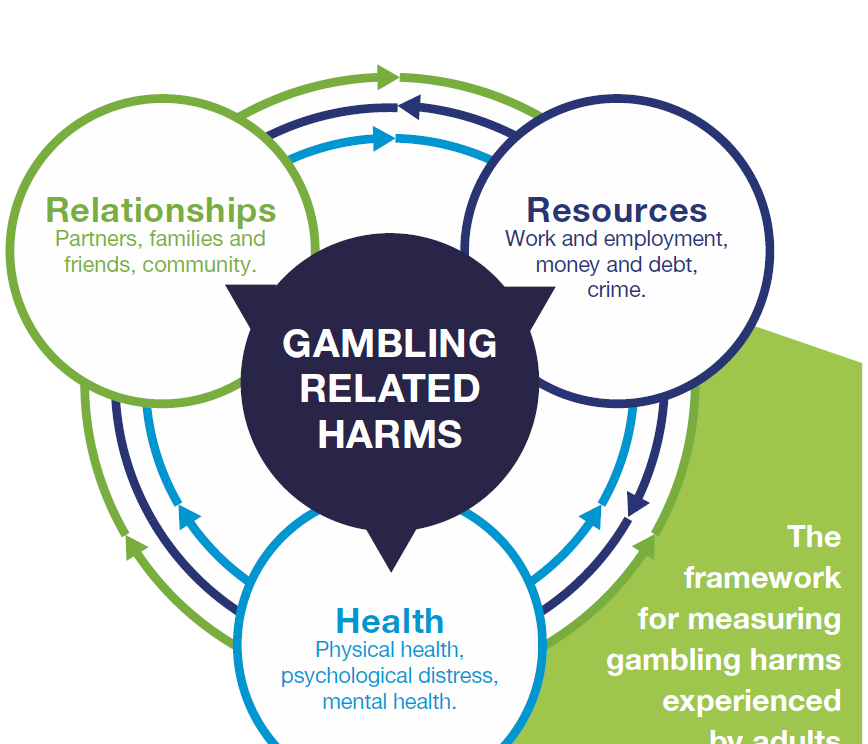
Glasgow is getting fresh backing to tackle a problem that does not stay inside a betting shop or a phone screen. The gambling-related harms
What the Glasgow grant is trying to do
- Support local work that reduces gambling-related harms.
- Ease strain on health, social care, and community services.
- Fund practical interventions, not just awareness campaigns.
- Build a case for earlier action before problems escalate.
The central idea is plain. If gambling damage shows up in debt advice, mental health support, family breakdown, and missed work, then local policy should treat it as a cross-system issue. That is the whole point of the grant.
Why gambling-related harms are now a public finance issue
The cost of harmful gambling is not limited to the person placing the bet. It can affect housing, benefits, healthcare, and workplace performance. A city like Glasgow feels that impact fast, because support services are already stretched.
Think of it like a building with a leaky roof. You can keep mopping the floor, or you can fix the roof. The second choice is less glamorous, but it saves money. Public policy works the same way.
Research cited across the sector has long pointed to wider social costs from gambling harm, including demand on NHS services and local welfare systems. The exact figures vary by method, but the direction is consistent. Harm creates expense. Expense lands on the public purse.
The real question is not whether gambling harm costs money. It does. The question is whether local authorities get enough support to deal with it early.
What this means for prevention and treatment
A grant like this matters most if it funds work that people can actually use. That means outreach, referral pathways, debt support, and links between services that normally work in separate lanes.
Where the money can have the most impact
- Early intervention through local advice services and community partners.
- Referral support so people can move from screening to treatment without delay.
- Family support for partners, parents, and children caught in the fallout.
- Training for staff who spot harm before it turns into crisis.
Look, a poster in a train station is not a strategy. Real progress comes from services that can spot risk, make contact, and keep people engaged long enough to matter. That is slower work. It is also the work that counts.
Why Glasgow is a useful test case for gambling-related harms
Glasgow gives policymakers a live test of how local funding can support a problem that cuts across health, finance, and community life. If the model works there, it could shape how other councils think about prevention.
That matters because the UK debate around gambling reform often gets stuck on national rules and industry obligations. Those are important. But local systems still carry the burden when harm appears in a clinic, a classroom, or a debt appointment. Who pays then? Usually the council, the NHS, or a charity trying to fill gaps.
There is also a political angle. Grants like this make it harder to argue that gambling harm is a fringe issue. Once public money is attached to a problem, decision-makers have to treat it as real and measurable.
What to watch next
The first test is simple. Does the funding reach services that can show uptake, referrals, and follow-through?
That is the metric to watch, not the press release language. If the grant leads to better access, stronger partnerships, and fewer people falling through the cracks, Glasgow could become a model for other cities facing the same pressure. If not, it will join the long list of well-meaning fixes that never made it past the announcement stage.
And that leaves one practical next step: track where the money goes, who it reaches, and whether the city can prove that early support really lowers the long-term cost. If it can, why would any council keep waiting?