Lula Online Gambling Ban Threat in Brazil
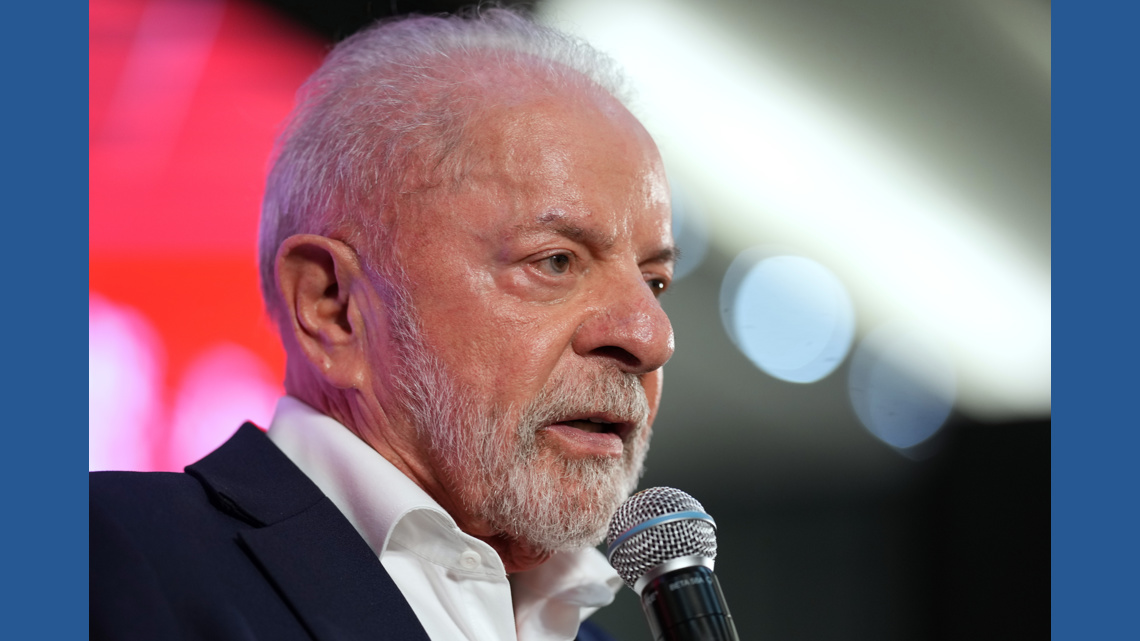
Brazil’s betting market is barely getting its feet under the table, and now it faces a blunt political threat. The Lula online gambling ban debate matters because operators, affiliates, payment firms, and players are all trying to price risk in a market that just moved into a regulated phase. If the president openly says he could ban online gambling if regulation does not work, that is not background noise. It changes boardroom planning, customer acquisition budgets, and the way global companies assess Brazil. Look, this is what happens when a market opens fast, public concern rises, and the political class starts asking whether consumer protection is actually working. The real question is simple. Is this a serious policy direction, or a pressure tactic meant to force tougher controls?
What matters right now
- Lula said he could move to ban online gambling in Brazil if regulation fails to contain harm.
- The statement lands at a sensitive moment for newly licensed operators and investors.
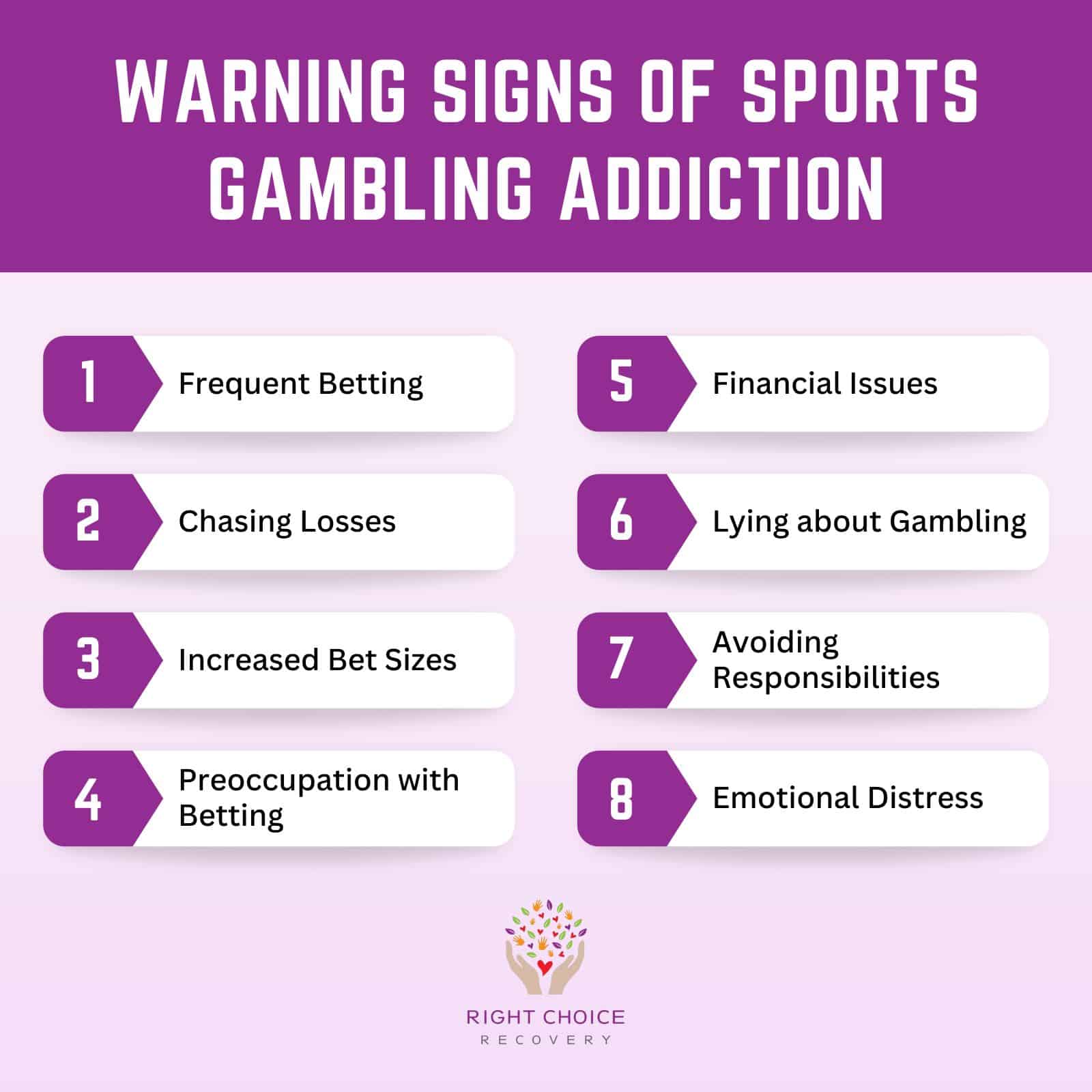
- Political pressure is likely to focus on consumer protection, advertising, and debt concerns.
- For the market, stricter enforcement looks more likely than an immediate shutdown.
Why the Lula online gambling ban talk matters
Comments like this do not appear in a vacuum. Brazil has spent years moving toward a legal online betting framework, with lawmakers and regulators arguing that a licensed market is better than an underground one. That argument only holds if the state can show visible control.
And that is the pressure point.
If public concern grows around addiction, household debt, or aggressive marketing, elected leaders will not wait for the industry to explain itself. They will react. Sometimes fast. Lula’s comments should be read through that lens. He is speaking to a public audience that wants signs of order, not to a room full of gaming executives.
Brazil’s core political message is getting sharper: regulate hard, or face calls for prohibition.
What Lula appears to be signaling to the market
This looks less like a detailed policy blueprint and more like a warning shot. Politicians often use the threat of a ban to create room for tighter rules, stronger inspections, and tougher penalties. In plain terms, the market is being told to behave before Brasília decides to make an example of someone.
Honestly, a full ban would be messy. Brazil has already built a regulatory path for sports betting and online gaming. Licensed operators have invested, local partnerships are forming, and compliance systems are being set up. Reversing that would be like pouring a concrete foundation for a stadium, then deciding the land should be a parking lot. Possible, sure. Sensible, not really.
Likely pressure points
- Advertising controls. Expect scrutiny on celebrity endorsements, youth exposure, and volume of betting ads.
- Consumer safeguards. Deposit limits, affordability checks, self-exclusion tools, and clearer risk messaging could move up the agenda.
- Payments oversight. Regulators may push banks and payment providers to tighten monitoring.
- Operator accountability. Brands that cut corners on compliance could face public enforcement actions.
Can Brazil really ban online gambling now?
Yes, politically it can try. But legally and economically, that path would be harder than the headline suggests. Once a country begins licensing, taxing, and supervising an activity, prohibition becomes a heavier lift. It creates commercial disputes, invites legal challenges, and often pushes customers back to offshore sites that ignore local safeguards.
That last part is the problem critics of bans often point to. If you shut the front door on licensed companies, do players stop betting, or do they simply move to unlicensed apps and websites? We already know the answer from other markets. Demand rarely disappears. It leaks.
A regulated system gives the state at least some grip on standards, taxation, anti-money laundering controls, and complaint handling. A ban can satisfy short-term politics, but it usually weakens practical oversight.
What operators should do during the Lula online gambling ban debate
If you run a betting or iGaming business, this is not the moment for passive optimism. Brazil now looks like a market where political risk sits beside commercial upside. Smart companies should act like both are real.
- Review advertising against the toughest likely future standard, not the lightest current one.
- Stress-test responsible gambling tools and make them visible to customers.
- Prepare public-facing evidence on compliance, player protection, and fraud prevention.
- Audit affiliate activity. Loose affiliate behavior is often where reputational damage starts.
- Build local policy intelligence so executive teams are not surprised by a fast rule change.
Here’s the thing. Markets under political heat do not punish only bad actors. They also punish companies that fail to read the room.
What this means for affiliates, payments, and investors
Affiliates should expect closer review of traffic sources, bonus language, and claims made in acquisition funnels. If Brazil tightens restrictions, affiliate channels are often among the first places regulators look because they can spread aggressive marketing at speed.
Payment companies face a different issue. They sit near the heart of any enforcement model. If the government wants to show it is serious, payments controls become a fast, visible lever. That could mean stronger transaction screening and tighter rules on who can process gambling-related transfers.
For investors, the message is simple. Price Brazil as a high-upside market with a louder regulatory swing than many early models assumed. Big opportunity remains, but the discount rate just changed a bit.
How Brazil’s gambling politics could move next
The most likely near-term outcome is not an outright ban. It is a tougher regulatory mood. That may include sharper public rhetoric, stricter ad rules, more enforcement noise, and a push for visible consumer protection wins. Governments like policies they can point to on television.
A second possibility is a selective crackdown that targets non-compliant operators rather than the whole sector. That would let officials claim action without blowing up the legal market. It is also the more workable option.
But if social backlash grows and regulation appears weak, harsher proposals can move from threat to bill text faster than many executives expect. Brazil is too large to treat casually. And too political to read only through spreadsheets.
What to watch next
Watch for signals from ministries, regulators, Congress, and major media outlets. The tone matters almost as much as the legal text at this stage. One interview may not change the market. A pattern of escalating comments might.
So keep an eye on three things. New advertising restrictions. Stronger responsible gambling measures. Any move to frame online betting as a public health or household debt issue rather than a tax and licensing issue. Once that frame hardens, the policy mood can turn seismic in a hurry.
Brazil still has every reason to make regulation work. The next step is on the industry. Can it prove that a legal market deserves to stay legal?