Prediction Markets Volume Jumps as Legal Risk Grows
Prediction markets are pulling in more trading activity, even as regulators keep the sector in a gray zone. That tension matters because volume is not the same thing as stability. If you follow prediction markets, you need to understand why the mainKeyword is rising now, what is fueling the move, and where the legal pressure could hit next.
Macquarie’s read, as reported by Legal Sports Report, is simple enough. Interest is climbing, but the legal picture is still messy. That mix can attract traders looking for fast-moving event contracts, yet it can also scare off bigger money and slower institutions. So the real question is this. Can the market keep growing if the rules keep shifting under its feet?
What the latest prediction markets volume jump means
- Volume is up, which shows stronger interest in event-based trading.
- Legal uncertainty remains, so growth is happening without clear regulatory footing.
- Institutional adoption may stay uneven until the rules are clearer.
- Retail traders may be doing much of the work, especially when markets are tied to politics or sports.
This is not a normal growth story. A stock exchange can point to long-standing rules and listed products. Prediction markets, by contrast, often sit closer to the edge of gambling law, commodities law, and financial regulation. That makes every spike in activity feel a little like a kitchen with too many chefs and no single recipe.
Volume can surge before regulation catches up. That does not mean the business is safe. It means the market is moving faster than the rulebook.
Why prediction markets are attracting more attention
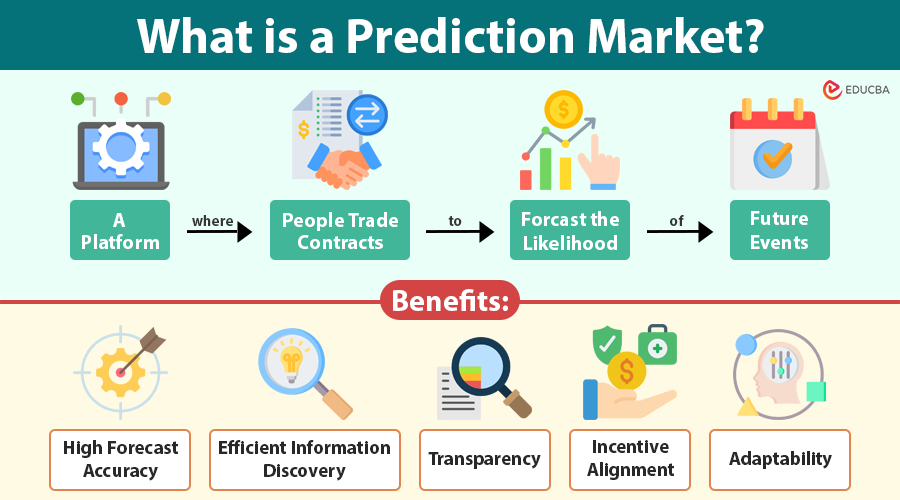
The answer starts with what prediction markets offer. They turn public events into tradable contracts, which gives users a simple way to express a view. Election outcomes, economic data, sports results, and policy calls all fit the format. People like clean yes-or-no bets when the world feels noisy.
That simplicity is part of the appeal. It also makes the product easy to market. You do not need a trader’s toolkit to understand the basic bet, and that lowers the barrier for first-time users. But lower friction can also mean faster churn if users lose interest after the headline event passes.
Macquarie’s point, according to the report, is that this business can draw meaningful activity even without regulatory clarity. That should not surprise anyone who has watched betting, fantasy sports, and event-driven trading overlap over the last decade. The audience is there. The uncertainty is the drag.
How legal uncertainty shapes the prediction markets market
Legal risk changes behavior in very practical ways. Operators may limit product lines, restrict certain users, or slow expansion into new states and countries. Investors may ask for a discount. Partners may wait on the sidelines. None of that is theoretical.
And the pressure does not come from one source. In the U.S., prediction markets can touch the Commodity Futures Trading Commission, state gaming regulators, and court challenges around what counts as a financial instrument versus a wager. That overlap is exactly why firms keep moving carefully. They are building on ground that can shift with one ruling or enforcement action.
For users, this can mean sudden changes in access, contract availability, or product terms. For companies, it can mean higher legal spend and slower product rollout. That is not a small thing. It affects margins, trust, and the pace of growth.
What operators should watch in the prediction markets mainKeyword trend
If you run or back a platform, watch the money flow and the legal trail together. One without the other gives you a false read. Strong volume can hide weak durability, especially when it comes from a few event cycles rather than broad repeat usage.
- Check concentration risk. Is volume tied to elections, sports, or one-off news shocks?
- Watch jurisdiction exposure. A product that works in one region may face a harder test in another.
- Track product mix. Simple event contracts may scale differently than more complex offerings.
- Measure user retention. New sign-ups matter less if activity drops after the main event ends.
Here’s the thing. A sharp rise in volume can look impressive on a slide deck, but it does not answer the core business question. Is this a durable market, or just a burst of speculative attention?
Why the analogy matters
Think of prediction markets like a race car on a temporary track. Speed is the selling point. But if the barriers keep moving, the driver cannot plan the line with confidence. That is the current problem for the sector.
Regulation is the barrier. And every unresolved legal question forces operators to brake a little harder than they would like.
What this means for traders and observers
If you use prediction markets, treat them as products with changing rules, not fixed exchanges. Read the contract terms. Check who regulates the platform. Look at where the platform is licensed, if at all. Small details can decide whether access stays open or disappears fast.
If you follow the sector as an investor or analyst, focus on repeat behavior, not just volume spikes. A market can look hot for a quarter and still fail to build a base. The smarter read is whether the platform is earning trust, legal room, and regular use at the same time.
Prediction markets are getting louder. The next move is whether the legal system lets them stay that way. If regulators force a tighter frame, the winners will be the firms that planned for friction from day one.
What comes next for prediction markets
The near-term story is not about hype. It is about whether growth can survive scrutiny. If volume keeps climbing while the legal questions stay unresolved, the sector will keep looking attractive and unstable at the same time. That is a hard combination to ignore.
Watch the filings, the court actions, and the product launches. That is where the next real signal will come from. And if the legal fog starts clearing, who gets to keep the traffic?