UK Gambling Commission Licence Fees Rise 25% in October
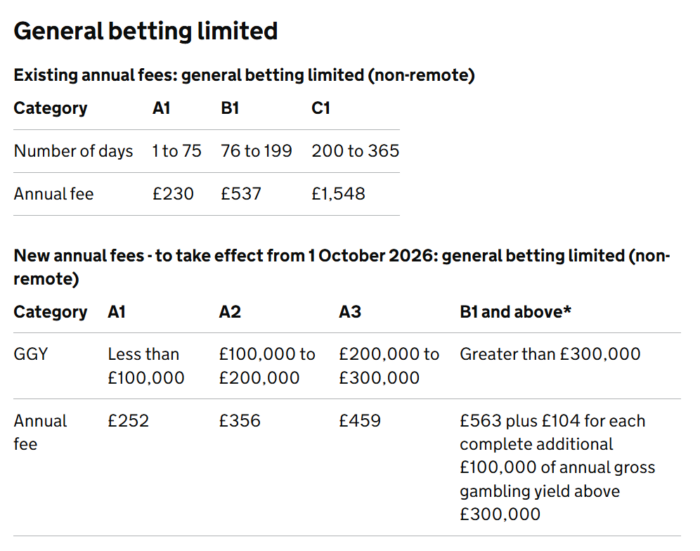
UK operators have a new cost line to absorb, and it lands at a bad time. The Gambling Commission licence fees increase by 25% in October, which means tighter budgets for compliance, product, and finance teams that were already being asked to do more with less. If you run a gambling business in Great Britain, this is not a minor admin update. It affects planning, cash flow, and the way you think about regulatory overhead for the next year.
The fee hike also tells you something useful about the market. Regulatory costs are moving up, and that pressure rarely stops at the licence desk. It feeds into staffing, safer gambling controls, supplier reviews, and the price of staying in the market. So the real question is simple. How much strain does a 25% rise create once it hits your operating model?
What the Gambling Commission licence fees increase means
- Fees rise by 25% from October, so operators need to update budgets fast.
- The cost hit is direct, but the wider effect will show up in compliance and finance planning.
- Smaller businesses may feel the pinch harder because fixed regulatory costs take a bigger share of revenue.
- Expect more pressure on forecasting, especially for firms renewing licences around the changeover window.
DCMS confirmed the increase after a period of consultation and policy debate around funding the regulator. That matters because licence fees are not just a tax on market entry. They are part of the funding base that supports enforcement, supervision, and the day-to-day machinery of regulation.
The practical impact is not the headline number alone. It is the way a higher fixed cost narrows room for error across the business.
Why the Gambling Commission licence fees rise now
Regulators cost money to run. That sounds obvious, but companies often treat fee changes like background noise until they show up in the ledger. The Commission has faced growing responsibilities around anti-money laundering, safer gambling oversight, and casework tied to operator compliance.
Look at it like a restaurant suddenly paying more for the health inspection regime that keeps it open. The bill is not glamorous, but the kitchen still has to pass. Same here. Operators may dislike the increase, but the market also relies on a regulator that can actually do the job.
For larger firms, the change may be annoying rather than painful. For smaller operators, especially those with thinner margins, it can force hard choices about hiring, marketing, or product investment. And that is where fee rises start to bite in the real world.
How operators should respond to the fee hike
Do not treat this as a line item to mop up later. Build it into your planning now.
- Rework your regulatory budget. Add the full 25% increase into licence cost forecasts for the next cycle.
- Stress test cash flow. Check whether the higher fee lands near other renewal or tax deadlines.
- Review compliance spend. If the increase squeezes headroom, identify controls that protect the licence first.
- Brief senior leadership early. Finance, legal, and compliance should all see the same numbers.
- Check portfolio impact. Multi-licence operators need to map the cumulative effect, not just the cost per entity.
That last point matters. One fee increase on paper can become a broader capital allocation problem once you add in audits, reporting, safer gambling work, and third-party due diligence. Budget discipline is not optional here. It is the job.
What compliance teams need to watch in the Gambling Commission licence fees change
Compliance teams should expect more scrutiny, not less. Higher fees often come with a tougher expectation that the regulator will fund more active oversight and enforcement. That can mean better evidence trails, tighter internal sign-off, and fewer sloppy assumptions in licence maintenance.
There is also a morale angle. Teams that are already stretched may see the increase as another reason to slow down or delay projects. Bad idea. If you cut corners now, you may pay far more later through investigation costs, remediation work, or avoidable breaches.
What should you prioritise?
- Renewal dates and payment schedules.
- Document control for licence conditions.
- Risk registers tied to regulatory obligations.
- Board reporting that shows the cost impact clearly.
Done well, this is a good moment to tighten governance. Done badly, it becomes another excuse for drift.
What this says about UK regulation
The fee rise is part of a wider pattern. UK gambling regulation has been moving toward more oversight, more accountability, and more cost on the operator side. That is not a shock. The direction of travel has been visible for years.
But here is the key point. If you are still treating regulatory cost as static, you are planning with blinders on. The market is too volatile for that. Anyone building a business case, merger model, or expansion plan now needs to factor in a higher baseline for compliance overhead (and likely more movement ahead).
Will this push weaker operators out of the market? For some, yes. Will it force better discipline among the rest? Probably. Markets often work that way. Unpleasant, but real.
What to do before October
Start with the numbers. Then move to internal messaging. People handle cost changes better when they see the logic and the timetable.
Practical next steps:
- Update budget forecasts before the next board cycle.
- Map the fee impact across all licences and subsidiaries.
- Confirm the renewal calendar with finance and legal.
- Review whether any planned spend should be delayed or re-phased.
- Prepare a short internal note so no one is surprised when invoices land.
For now, the smartest operators will treat the increase as a planning test. If your model cannot absorb a 25% regulatory fee hike, what else is sitting there waiting to break?
What happens next for Gambling Commission licence fees
The October increase will not be the last word on regulatory funding. Fee structures tend to evolve as policy priorities change, and the sector should expect more debate over who pays, how much, and for what level of oversight. That makes this hike a useful signal, not just a one-off bill.
If you want to stay ahead, keep one eye on policy and one eye on your own cost base. That is where the next surprise usually shows up.