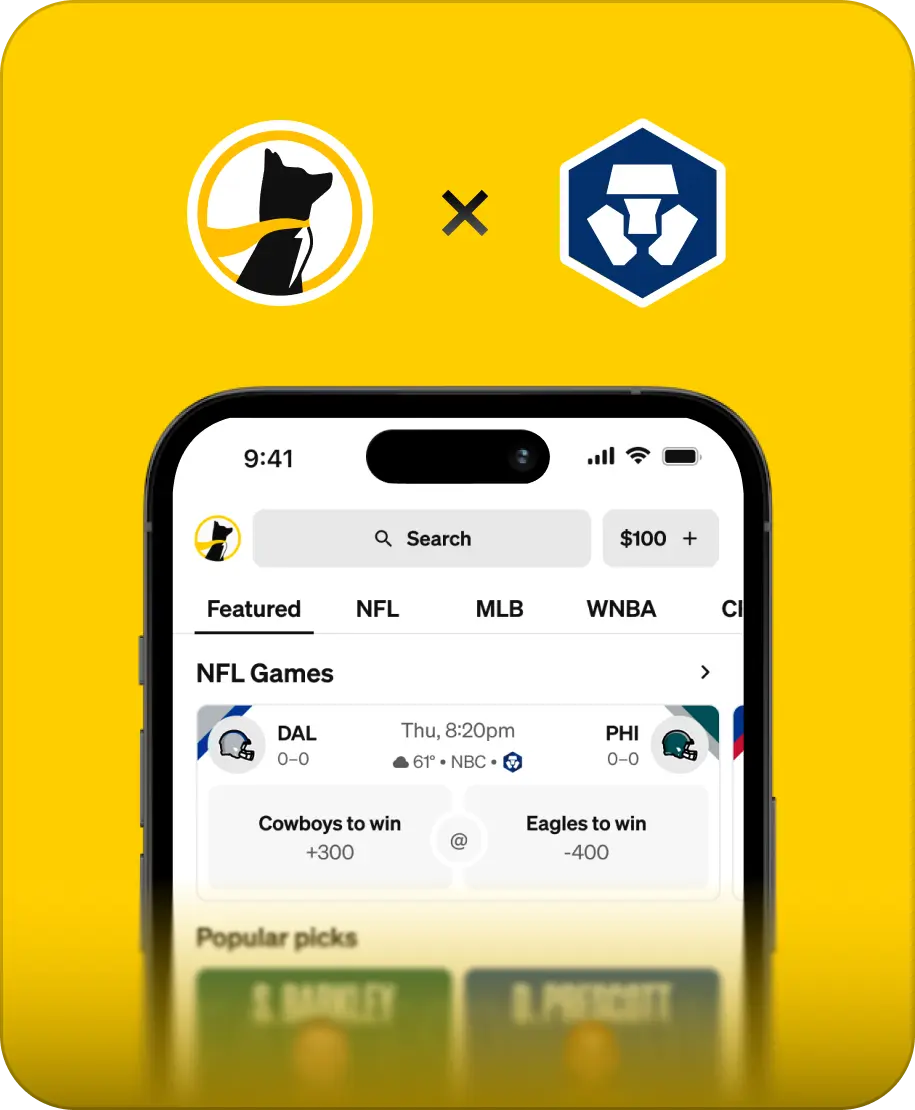
DraftKings Predictions Ad Campaign Targets Non-Betting States
DraftKings is not waiting for every state to legalize sports betting before it pushes its next message. Its DraftKings predictions ad campaign is aimed at the biggest states where bettors still cannot place a normal sportsbook wager, and that matters because the company is testing demand before the rules fully catch up. That is a smart commercial move. It is also a regulatory stress test.
Why spend money in states where the core product is blocked? Because prediction markets sit in a messy middle ground, and DraftKings knows attention often moves faster than regulation. If you are watching the betting market, the ad buy tells you something plain: the race is now about brand placement, consumer habit, and legal positioning all at once. And that mix can change fast.
What stands out in the DraftKings predictions ad campaign
- The targeting is strategic. DraftKings is focusing on large states without legal sports betting, not small fringe markets.
- The message is early. The company is shaping awareness before a product becomes normal for casual users.
- The legal angle matters. Prediction markets face a different set of rules than traditional sportsbooks.
- The brand stakes are high. Once users learn one app for one type of market, cross-sell gets easier later.
Why target the biggest non-betting states now?
DraftKings is doing what good operators have always done. It is buying position before the market is fully open. If you have watched sports betting state by state, you already know the pattern. The first movers spend on education, not just acquisition, because users need to learn what the product is before they care which brand offers it.
That matters even more in states without legal sportsbooks. People there may already know DraftKings from fantasy sports or daily fantasy contests, so the ad campaign can ride on existing brand recognition. Think of it like opening a new restaurant in a part of town where your delivery trucks already show up. You are not starting from zero.
DraftKings is not advertising a finished future. It is advertising a path to one.
What is different about prediction markets?
Prediction markets do not work like a standard sportsbook, even if the user experience can look similar from a distance. Instead of betting on a team line or a game total, users are often trading on the outcome of an event through a market structure that can fall under different oversight questions. That is why regulators, lawyers, and operators keep arguing over the edges.
Here is the thing. The legal gray area is the product. That is what makes this so sensitive, and so valuable. If prediction markets keep growing, they could become a parallel lane for companies that want national reach without waiting for every state legislature to move at the same pace.
What this means for DraftKings’ wider strategy
DraftKings has spent years building a brand around sports, data, and digital wagering. The ad campaign suggests it wants to keep that momentum alive even in states where the sportsbook itself cannot operate. That is a defensive and offensive play at once. Defensive, because it keeps the brand in the conversation. Offensive, because it lays track for future product expansion.
Do not confuse awareness with approval, though. Regulators may look harder at marketing that appears to steer consumers toward betting-like behavior in places where betting is still restricted. And if the messaging gets too close to a sportsbook pitch, the company could invite pushback from state officials or competitors looking for a complaint.
How operators, affiliates, and rivals should read this
- Watch the geotargeting. The choice of states tells you where DraftKings sees the best upside.
- Watch the language. Ad copy will show how closely the company is threading the legal needle.
- Watch the reaction. Any state-level challenge could shape how other operators market similar products.
- Watch user behavior. If prediction-market messaging lifts signups or app interest, others will copy it fast.
For affiliates and media buyers, this is also a signal about where future demand may form. If users in non-betting states start responding to prediction-market messaging, the traffic map changes. So does the value of content around event contracts, market rules, and platform comparison.
Where the pressure points are next
The next phase will not be about one ad buy. It will be about whether prediction markets can stay commercially useful while staying legally distinct. That is a narrow lane. It is also where the money is.
If DraftKings can keep building awareness without tripping over state regulators, the campaign may look shrewd in hindsight. If it triggers a faster crackdown, it could become a warning shot for the whole sector. Which version happens first?
What to watch over the next few months
Keep an eye on three things: whether DraftKings expands the campaign, whether rivals answer with their own prediction-market push, and whether regulators start drawing sharper lines around the marketing itself. That is the real story here. Not the ad unit. The boundary it is testing.
For now, DraftKings is betting that familiarity will matter when the rules settle. That is a fair bet. But in this market, the rules are still the moving target.