
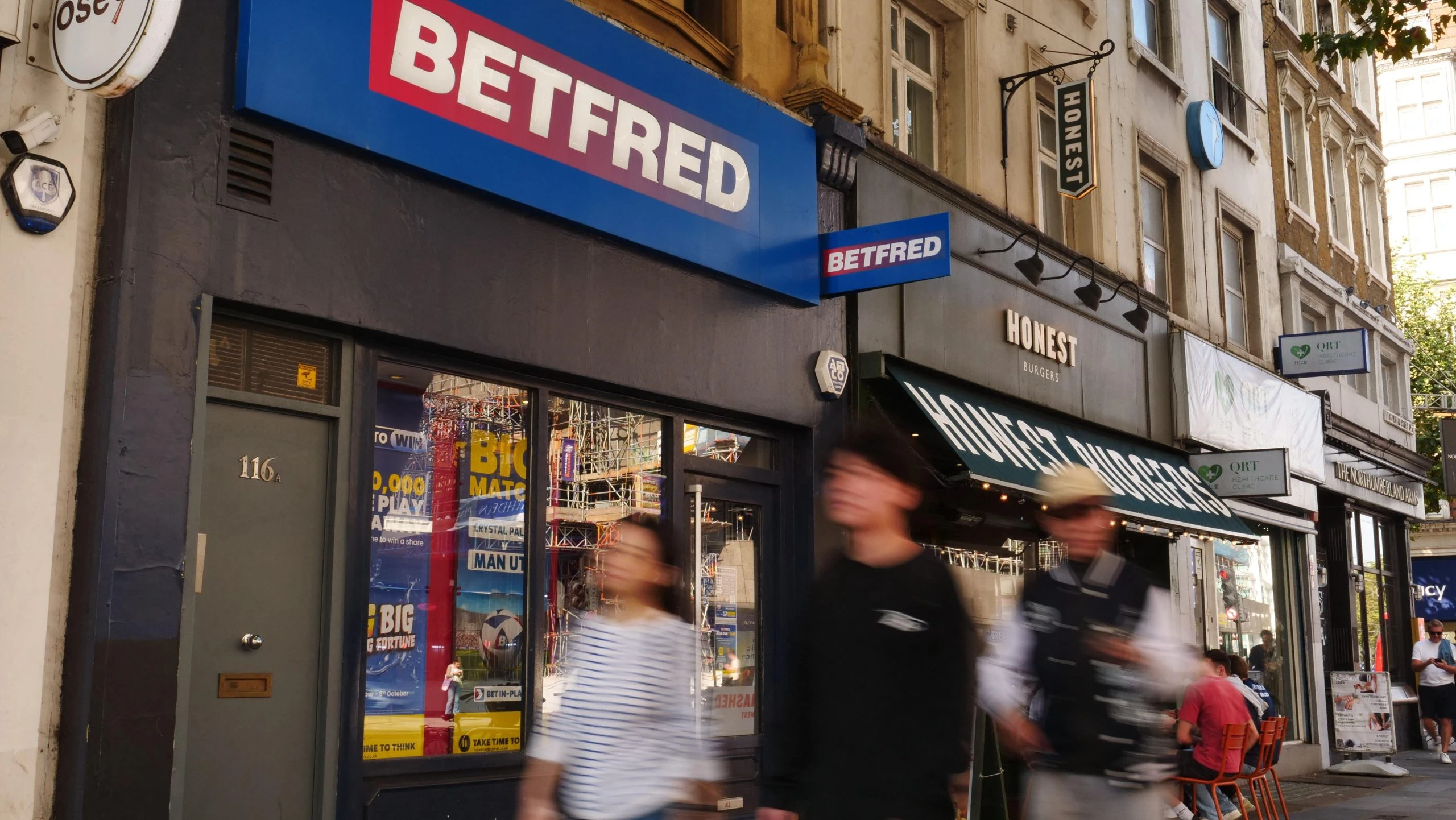
Betfred Turnover Nears £1bn as Retail Gap Shrinks
If you track UK betting operators, the latest Betfred turnover figure matters because it shows where the old retail-led model is bending, and where it still refuses to break. Betfred reported turnover of £995.6m for its latest full year, according to iGaming Business, putting the bookmaker close to the £1bn mark. The more interesting part is the mix. Retail still matters, but the split between shops and digital has narrowed, a shift that says plenty about player habits, cost pressure, and how legacy bookmakers are trying to defend margin while chasing online scale.
Look, this is not a clean “retail is dead” story. It is messier than that. Shops still give Betfred brand presence, cash betting, and local reach. But online betting is where sharper product work, faster payments, and better retention now decide the race.
What Stands Out
- Betfred turnover hit £995.6m, bringing the operator close to a symbolic £1bn full-year level.
- The retail and online split narrowed, pointing to a more balanced business than the old shop-heavy model.
- Retail remains useful, especially for cash customers and high-street visibility, but its cost base is harder to ignore.
- Digital growth gives Betfred more room to compete on product, pricing, and customer retention.
- The results show why UK bookmakers are treating omnichannel strategy as non-negotiable.
Betfred Turnover Shows a Business in Transition
The headline number is simple enough. Betfred turnover reached £995.6m, based on the company’s full-year results reported by iGaming Business. A near-£1bn figure gives the operator scale, but turnover alone can flatter a betting company if you do not look at channel mix, costs, and hold.
That is the catch with gambling accounts. Turnover tells you how much staking activity moved through the business. It does not tell you, by itself, how healthy the engine is. A bookmaker can take more stakes and still feel pain if promotional spend rises, sports results go against it, or operating costs climb.
And Betfred has plenty of moving parts.
The company has long been associated with UK betting shops, a sector squeezed by regulation, rent, wages, energy costs, and the post-FOBT reset. Online betting has a different pressure profile. It has lower physical overheads, but brutal competition, higher marketing spend, and demanding customers who will leave a slow app in seconds.
Betfred’s near-£1bn turnover is less about one big number and more about the balance underneath it. The question is whether the operator can make digital growth work without letting retail become dead weight.
Why the Betfred Turnover Split Matters
The narrowing split between retail and digital is the real signal. For years, major UK bookmakers treated their shop estates as the spine of the business. Online was the growth engine, yes, but shops gave them reach and routine. Saturday football, racing slips, cash stakes, familiar staff. A sticky formula.
Now the formula is changing. Mobile betting has trained customers to expect instant markets, in-play options, quick withdrawals, and personalised offers. Retail cannot match that pace. But it can still serve customers who prefer face-to-face betting, cash deposits, and a social setting.
So, what does a narrower split mean in practical terms?
- Online is gaining weight in the operating model, which usually means more focus on product and CRM.
- Retail is no longer the obvious lead channel, even for a bookmaker with Betfred’s high-street history.
- Capital allocation gets tougher, because every shop lease must compete with app development, trading tools, and payments upgrades.
- Omnichannel customers become more valuable, especially if they move between shops and digital accounts.
A good bookmaker now looks more like a football squad than a single star striker. You need the shop network, the app, the trading team, payments, compliance, and customer support all doing their jobs, or the whole system looks slow.
Betfred Turnover and the Retail Question
Retail betting has taken more punches than most consumer sectors over the past decade. The UK’s fixed-odds betting terminal stake cut changed shop economics. Then came pandemic closures, inflation, wage pressure, and a consumer shift toward mobile.
Still, Betfred has not walked away from shops. That is not nostalgia. It is strategy, at least when the estate is managed tightly. A visible retail network supports brand trust in towns where digital-only operators can feel remote. It also reaches customers who are less comfortable moving all betting activity online.
But here is the thing. Retail has to earn its place.
Each shop carries fixed costs. Rent does not care if sports margins were poor last weekend. Staff costs do not fall just because Cheltenham results hurt the book. If retail turnover softens while online gains, management has to decide which shops support the wider network and which ones drain cash.
What Betfred should watch in shops
- Local profitability: A shop should be judged by contribution, not sentiment or history.
- Cross-channel sign-ups: If a location helps move customers into digital accounts, it may have value beyond shop staking.
- Machine and over-the-counter mix: The wrong mix can weaken margins and increase compliance risk.
- Staff training: Safer gambling checks are now part of the commercial model, not a side task.
Digital Growth Is Useful, But Not Easy
Online betting can scale faster than retail, but it is not cheap money. Customer acquisition in the UK is expensive. Sportsbook margins swing. Free bets and promotions can become a tax on weak product. And every operator is fighting for attention during the same football fixtures and racing festivals.
For Betfred, the digital challenge is sharp because it competes with brands that have invested heavily in technology, data, and user experience. Flutter, Entain, bet365, and newer app-first brands have trained customers to expect clean interfaces and fast settlement. If your bet builder lags or your withdrawal process feels clunky, customers notice.
What would move the needle? Better personalisation, fewer payment frictions, sharper in-play markets, and a casino product that does not feel bolted on. Small improvements matter because online bettors are impatient. One bad Saturday can send them elsewhere.
Regulation Sits Behind Every Betfred Turnover Number
No reading of Betfred turnover is complete without the UK regulatory backdrop. The Gambling Commission has tightened expectations on safer gambling, affordability checks, anti-money laundering controls, and marketing conduct. The UK white paper reforms also continue to shape how operators think about risk.
This matters because growth that creates compliance exposure is not quality growth. A bookmaker can boost turnover with aggressive bonuses or loose VIP oversight, but that path now carries seismic downside. Fines, customer remediation, and licence scrutiny can erase the benefit fast.
Honestly, this is where experienced operators should have an edge. Betfred has decades of trading history, retail compliance experience, and brand recognition. But experience only helps if systems keep up with modern expectations.
The next stage of UK betting will reward operators that can grow without attracting regulatory heat. That sounds dull, but it is where durable profit lives.
What the £995.6m Figure Says About Betfred’s Next Move
A near-£1bn turnover figure gives Betfred a solid base, but the market will not reward size for its own sake. The operator needs to prove that its channel balance can support profit, product investment, and safer gambling controls at the same time.
The likely playbook is not dramatic. Trim weaker retail exposure. Keep shops that defend local share or feed online accounts. Push harder on mobile product. Improve payments. Use data more carefully. Keep marketing spend tied to customer value, not vanity sign-ups.
Does that sound less exciting than a flashy expansion story? Maybe. But in UK betting, boring discipline often beats noisy growth.
What to Watch Next
The next Betfred update should be judged on more than whether turnover crosses £1bn. Watch the retail contribution, digital net revenue, operating profit, and any detail on customer acquisition costs. Those figures will show whether the narrower split is creating a stronger company or just a different-looking one.
My read: Betfred still has a credible path, but it cannot rely on heritage. The winners in this market will be the operators that treat retail as a selective asset, not a comfort blanket, and treat digital as a product fight, not a marketing contest.