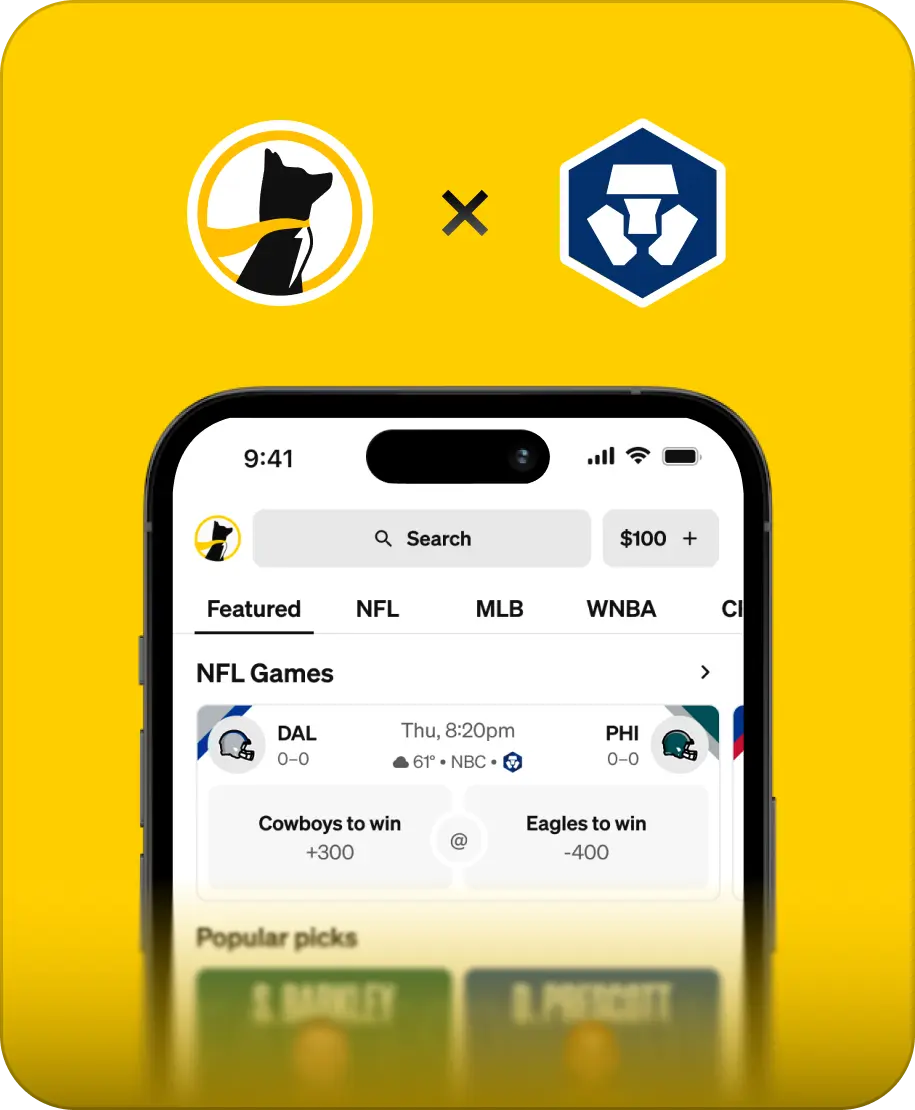
Fanatics Prediction Markets Safeguards Face New Questions
Fanatics is pushing further into prediction markets, and that puts its safeguards under a brighter light. If you follow sportsbook regulation, you already know the pressure point: prediction market rules can blur fast, and customers do not always see the line between a betting product and a trading-style market. That is where the real risk sits. Fanatics prediction markets safeguards now matter because the product is growing, the legal questions are getting louder, and rivals are watching every move.
Look, this is not a theory problem. It is a product design problem, a compliance problem, and a trust problem all at once. What controls should a brand put in place when users can trade on outcomes that feel a lot like wagers? And how much friction is enough before the experience starts to break?
The debate matters now because the market is moving faster than the playbook. Fanatics is not alone in that race, but its brand gives the issue extra weight.
What stands out about Fanatics prediction markets safeguards
- Product growth raises the stakes. More volume means more scrutiny from regulators and competitors.
- Guardrails have to be visible. Hidden controls do little to build user trust.
- Compliance and UX pull against each other. Too much friction can hurt adoption. Too little can invite trouble.
- Legal lines are still moving. That makes policy design a live issue, not a one-time task.
Why Fanatics prediction markets safeguards are under the microscope
Prediction markets sit in a gray zone that regulators keep trying to define. Some observers treat them like financial instruments. Others see them as another form of wagering with a cleaner interface. That split matters because the rules, disclosures, and venue obligations can change depending on how a product is classified.
Fanatics has to plan for that uncertainty. A safeguard that works today may look thin if enforcement pressure changes tomorrow. That is why product teams cannot treat compliance like a checkbox on launch day.
Any prediction market tied to sports or event outcomes needs more than a slick front end. It needs controls that can survive real regulatory scrutiny.
What safeguards actually matter?
Not every control has the same value. Some are cosmetic. Others are non-negotiable.
- Clear event definitions. Users should know exactly what they are trading on and how the market settles.
- Strong identity checks. Age and location verification need to be tight, especially if the product touches restricted jurisdictions.
- Transparent pricing and settlement rules. If the terms are fuzzy, complaints will pile up fast.
- Market monitoring. Anomalous trading, manipulation attempts, and abuse should trigger review.
- Responsible use tools. Limits, self-exclusion, and account controls are basic, not optional.
That list is not exotic. It is the floor. Think of it like building a stadium. You can paint the seats any color you want, but if the exits are narrow, nobody feels safe once the crowd arrives.
How Fanatics can avoid the obvious mistakes
The first mistake is pretending prediction markets are just another promo layer on top of a sportsbook. They are not. The user psychology is different, and the regulatory questions are sharper.
The second mistake is overpromising on simplicity. If a product asks users to understand settlement logic, contract terms, or event resolution rules, the interface has to do real work. A tiny disclaimer buried in legal text will not cut it. Why would anyone trust that?
Fanatics can also learn from the broader market. Operators that move fast without clear guardrails tend to spend later on damage control, legal review, and customer support. That is a lousy trade.
Three practical moves that would help
- Publish plain-English market rules before users buy in.
- Separate betting language from trading language so users do not get misled.
- Run regular audits on product flows, settlement logic, and account protections.
Why this debate is bigger than Fanatics
Fanatics is useful here because it sits at the intersection of sports betting, media, and consumer brand power. If a company like this struggles to balance growth and safeguards, smaller operators will feel the pressure too.
And the stakes are not abstract. State regulators, federal agencies, and market participants are all watching how these products are framed. The outcome could shape how prediction markets are marketed, where they can operate, and what controls users should expect from day one. That is a seismic shift for an industry that still likes to move as if the rulebook is unfinished.
Fanatics does not need perfection. It needs clarity, discipline, and a willingness to slow down where the law is still catching up. The real test is simple. Can it keep the product clean enough that users trust it, and tight enough that regulators do not start rewriting the terms for everyone else?
What to watch next
The next round of product updates will tell the story. If Fanatics adds stronger disclosures, tighter controls, and clearer market rules, that signals a serious compliance posture. If it leans on growth first and explanations later, expect more heat.
Either way, prediction markets are moving from novelty to policy fight. The companies that survive will be the ones that treat safeguards as part of the product, not a cleanup crew after launch.