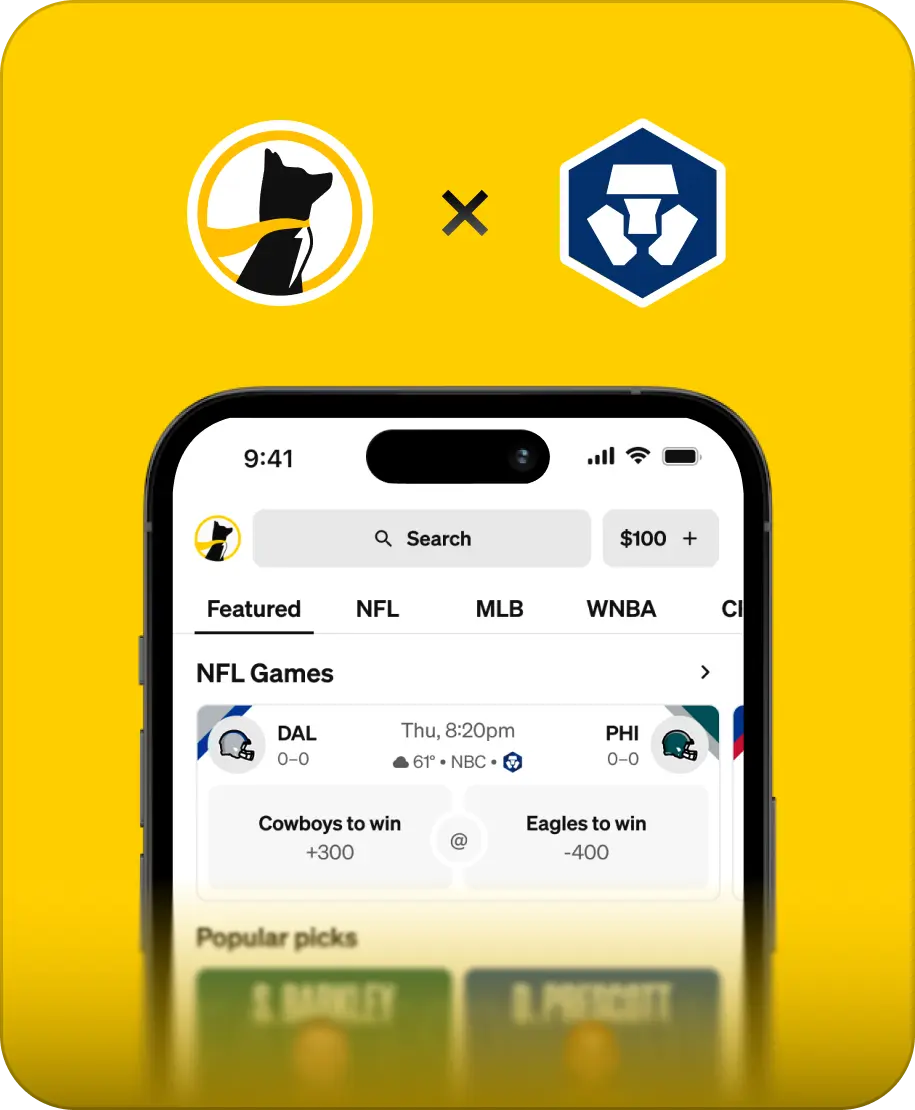
Underdog Prediction Markets Move In-House
Underdog is pulling its prediction markets work inside the company, and that matters if you track how sports and real-money products are evolving. The move signals a sharper push for control over product, pricing, and compliance, which is exactly where pressure builds fastest in this space. For anyone watching Underdog prediction markets, this is not a small backend tweak. It affects how quickly the company can ship, how much risk it carries, and how tightly it can shape the customer experience.
Look, outsourcing can get a product to market fast. But once volume grows, the trade-offs start to bite. Why keep handing off the most sensitive part of the stack if the business now needs speed and precision?
- More control: Underdog can shape product rules and updates without waiting on a vendor.
- Less dependency: The company reduces exposure to third-party delays and contract limits.
- Compliance gets sharper: In-house oversight can help with audit trails and policy changes.
- Execution risk shifts inward: Underdog now owns more of the engineering and operational burden.
Why Underdog prediction markets are moving inside the company
Prediction markets sit in a tricky spot. They borrow pieces from betting, trading, and consumer tech, which means the product can trip over legal and operational lines fast. If you rely too heavily on an outside provider, you get speed at the start and friction later, especially when rules change or volume spikes.
Bringing the function in-house gives Underdog more direct control over the stack. That can help with product iteration, risk checks, and data ownership. It also gives the company a cleaner line of sight into how the system behaves when markets move quickly.
When a product touches regulation, payments, and user trust at the same time, outsourcing the core logic can start to feel like renting the foundation of your building.
What this means for the product
The biggest effect is speed. In-house teams can test, adjust, and respond without waiting for another company to prioritize a request. That matters in prediction markets, where event timing and market pricing leave little room for lag.
It also changes the product voice. Underdog can tune the experience around its own users instead of fitting into a vendor template. That sounds subtle, but it often shows up in places like onboarding, market presentation, and how fast a user can move from browsing to placing a position.
And there is a second-order effect here. Once a company owns the core workflow, it can build around it more aggressively. That is how feature depth starts to separate one platform from another.
How does this affect compliance and risk?
Compliance is the real story here. Prediction markets are not a casual product category. They sit close to legal and regulatory scrutiny, so any company running them needs tight controls, clean records, and quick response cycles.
Moving in-house can help Underdog monitor changes more closely. It may also make internal review faster when a state rule, platform policy, or product decision needs attention. But the trade-off is blunt. The company now owns more responsibility if something breaks.
That is the part outsiders sometimes miss. You do not reduce risk by moving work inside a company automatically. You change the shape of the risk. Some of it gets easier to see. Some of it gets harder to hide.
What to watch next
- Product updates that arrive faster than before.
- Changes in how Underdog structures market types.
- Any new language around rules, eligibility, or availability.
- Signs that the company is building more internal trading or risk infrastructure.
Why this is bigger than one vendor decision
This move fits a larger pattern in digital betting and adjacent markets. Companies often start by renting infrastructure, then pull it inside once they know what users want and where the pressure points are. It is a bit like switching from a rented kitchen to your own restaurant prep line. The rented setup gets you open. The owned setup lets you control the menu, the timing, and the margins.
For Underdog, the timing is telling. If the company believes prediction markets are becoming a bigger part of its future, then internal control is not optional. It is the price of admission.
What this says about Underdog prediction markets
Underdog is acting like a company that wants ownership, not just access. That is a useful signal for investors, rivals, and anyone tracking the category. It suggests the firm sees prediction markets as a product it wants to shape, not a feature it wants to rent.
But the hard part starts now. Can Underdog keep the pace up while handling the operational load itself? That is the question that will decide whether this move looks smart six months from now or just tidy on a slide deck.
mainKeyword: Underdog prediction markets