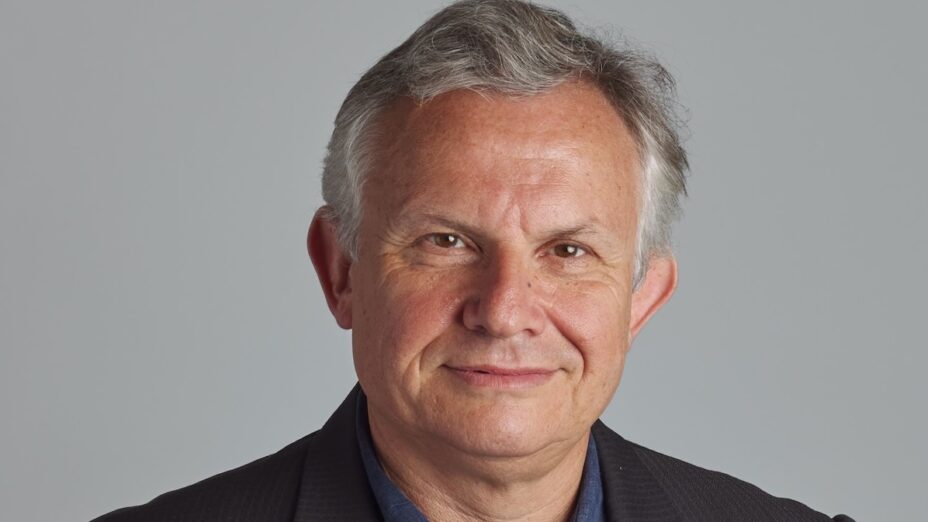
Alex Gersh DAZN CFO Move Puts Betting Finance in Focus
If you follow sports media, betting, or streaming economics, the Alex Gersh DAZN CFO appointment is worth your attention. DAZN is no longer just fighting for sports rights and subscribers. It is also trying to build a business where live content, advertising, commerce, and betting products work together without draining cash. That is hard, expensive work. Gersh arrives with a finance record that fits the pressure point: Betfair, Paddy Power Betfair, and Sportradar all sit on his resume, according to GamblingNews. Those names matter because they connect trading, data, regulation, and public-market discipline. DAZN needs all four. The company has global scale, heavyweight rights deals, and a betting brand in DAZN Bet. Now it needs tighter execution. Can a CFO with deep betting-sector scars help turn ambition into cleaner numbers?
What Stands Out
- DAZN has named Alex Gersh as chief financial officer during a wider leadership reset.
- Gersh brings betting, sports data, and listed-company experience from firms including Betfair and Sportradar.
- The appointment points to stronger financial oversight as DAZN balances sports rights costs with growth bets.
- DAZN Bet makes his background more relevant than a standard media-sector CFO hire.
- The move should interest investors, rights holders, betting partners, and rivals watching DAZN’s next phase.
Why the Alex Gersh DAZN CFO Appointment Matters
DAZN has spent years trying to change how fans pay for live sport. That pitch sounds simple, but the accounts behind it are rough. Premium rights cost huge sums up front, subscriber growth can be uneven, and local markets behave differently.
Gersh gives DAZN a finance leader who knows businesses where margins depend on timing, data, and regulation. At Betfair and Paddy Power Betfair, finance was tied to product speed and market risk. At Sportradar, the job sat closer to sports data, media partners, and capital markets.
This is not a decorative hire. DAZN has brought in someone who has worked near the pipes that connect sports, odds, data, and digital distribution.
That mix is rare. Many media CFOs understand rights costs. Many betting CFOs understand gaming margins. Fewer understand the messy crossover DAZN is trying to build, where a live match can support a subscription, an ad sale, a free-to-watch product, and a betting offer.
Alex Gersh DAZN CFO Role Comes With a Tough Brief
The CFO seat at DAZN is not a quiet accounting post. It sits near every hard decision the company faces. Which sports rights deserve another cycle? Which markets need a lighter model? Where should DAZN Bet receive support, and where should it slow down?
GamblingNews framed the appointment as part of broader leadership shifts at the group. That timing matters. Senior changes often mean a company is adjusting its operating rhythm, and DAZN has plenty to sort through as it blends subscription video, free channels, sponsorship, and betting-adjacent products.
That is the real signal.
Look at it like building a stadium. The visible part is the crowd, the lights, and the scoreboard, but the project fails if the financing, safety rules, and plumbing do not hold. DAZN has the visible assets. Gersh is being asked to tighten the foundations.
Three Problems He Will Likely Have to Tackle
- Rights discipline: DAZN must avoid paying prestige prices for assets that do not convert into durable revenue.
- Market focus: A global sports platform still needs local math. Germany, Italy, Spain, Japan, and the UK do not behave the same way.
- Betting alignment: DAZN Bet needs careful integration with media products, brand trust, and local compliance rules.
What Alex Gersh DAZN CFO Means for DAZN Bet
DAZN Bet is the piece that makes this appointment more interesting than a routine finance change. The brand was launched to connect DAZN’s sports audience with betting, but media-to-betting crossovers are never automatic. Fans do not place bets just because a logo sits near a stream.
Gersh has seen the betting industry from the inside. That matters because sports betting is a low-patience sector. Product gaps, pricing errors, weak retention, and compliance missteps show up fast in the numbers (and regulators rarely care about your growth story).
DAZN should not treat betting as a magic add-on. The smarter path is narrower. Use live sport to improve context, use data to make offers timely, and keep the user experience clean enough that it does not annoy paying subscribers.
- Betting prompts should match the sport and market, not spray across every broadcast.
- Compliance teams need early input on product design, especially in Europe.
- Customer data should support safer gambling controls as well as marketing.
- DAZN Bet must earn trust on odds, payments, and support before chasing scale.
The Finance Story Behind DAZN’s Sports Streaming Push
Sports streaming is a brutal category because success can make costs rise. If a platform grows, rights holders notice. The next auction becomes more expensive, and the winner has to prove that audience scale can cover the bill.
That is why CFO quality matters more here than in many software businesses. DAZN cannot fix weak economics with a few server tweaks. It needs sharper packaging, better ad sales, selective rights buying, and payment models that match how fans watch.
Gersh’s Sportradar experience may be useful here. Sportradar sits close to leagues, broadcasters, sportsbooks, and data buyers. That perspective should help DAZN judge where sports content creates value beyond the subscription fee.
Honestly, this is where I would push back on the easy hype. A betting veteran in the CFO chair does not guarantee DAZN Bet becomes a major operator. It does suggest DAZN knows the next phase is about financial engineering in the plain-English sense: fewer vanity moves, more proof that each product can pay its way.
What Partners and Rivals Should Watch Next
Rights holders should watch how DAZN bids over the next 12 to 24 months. If Gersh brings tighter capital discipline, DAZN may still chase premium assets, but the bids should come with clearer paths to revenue. That could mean more flexible deals, regional bundles, or rights packages tied to advertising and betting inventory.
Betting partners should watch DAZN’s product choices. A more finance-led approach may favor markets where DAZN already has strong sports audiences and where regulation is clear enough to support long-term planning. Splashy expansion into thin markets would be a bad sign.
Rivals should watch whether DAZN can make its hybrid model less clunky. ESPN, Sky, Amazon, FanDuel, DraftKings, and local broadcasters all care about the same prize: attention during live sport. DAZN’s edge depends on turning that attention into several revenue lines without making the viewer feel squeezed.
The Next DAZN Test
The Alex Gersh DAZN CFO hire gives the company a finance chief with the right industry wiring for this moment. It does not solve DAZN’s biggest problems by itself. Rights inflation, customer churn, betting regulation, and platform fatigue remain stubborn.
But the appointment makes strategic sense. DAZN needs someone who understands sports as media, data, and wagering infrastructure, not as separate boxes on an org chart. The next practical step is simple to state and hard to deliver: show which markets, rights, and betting products can produce repeatable profit. If DAZN can do that, this hire will look less like a leadership shuffle and more like a line in the sand.