CFTC Sports Trading Fight Heats Up as 44 Attorneys General Push Back
Sports trading is heading into a legal mess, and the timing matters. A group of 44 state attorneys general now says the cftc sports trading lane does not belong under the Commodity Futures Trading Commission’s control, which throws a direct challenge at one of the fastest-growing arguments in prediction markets. If you work in betting, trading, compliance, or platform policy, this is not background noise. It affects what products can launch, where they can operate, and which regulator gets the final word. And the stakes are bigger than one agency fight. They touch state gambling authority, federal derivatives law, and the line between a wager and a market contract. That line has always been fuzzy. Now it is getting sharper, and much more expensive to ignore.
What the attorneys general are pushing back on
- They argue the CFTC lacks authority to regulate sports event contracts as if they were ordinary derivatives.
- They want states to keep control over sports betting and related gambling rules.
- They are warning about regulatory overreach if the CFTC expands into sports trading without clear congressional approval.
- They are signaling a legal fight that could slow product launches and complicate licensing strategy.
The core dispute is simple. Who gets to decide whether a contract tied to a game is a financial instrument or a bet?
Why the cftc sports trading issue is so volatile
The CFTC oversees derivatives, not casino floors. That sounds clean on paper, but event contracts have blurred the boundary for years. Some products look like financial instruments because they settle on an outcome. Others look a lot like sports bets because they depend on a game result, a point spread, or a championship winner.
That is why the 44 attorneys general are drawing a hard line. They are not just arguing about one agency’s turf. They are defending a state-by-state gambling framework that has taken years to build. If federal regulators can greenlight sports-linked contracts through a commodities lens, state control starts to look flimsy. And once that happens, every operator, exchange, and compliance team has to reassess exposure.
Look, this is the sort of fight that can move like a chess match and hit like a baseball bat.
What this means for operators and platforms
If you run a trading platform, sportsbook, or adjacent product, the first question is not philosophical. It is practical. Can you launch, and if you do, what gets challenged first?
- Review product design. Contracts tied directly to sports outcomes are the most exposed.
- Map state risk. Attorneys general are clearly willing to coordinate, which raises the odds of multi-state enforcement pressure.
- Check disclosures and geofencing. These will matter if products are marketed across jurisdictions with different betting rules.
- Separate trading language from betting language. That distinction may help legally, but only if the product mechanics also support it.
For compliance teams, the better question is this: does the product behave like a market, or does it function like a wager with a cleaner wrapper? If the answer is murky, regulators will not give you the benefit of the doubt.
Why states are fighting so hard now
States have spent years building sports betting regimes, tax systems, and enforcement rules. Those systems are still uneven, but they are real. A federal sports trading framework would cut across that work and could pull revenue, oversight, and consumer protection questions into Washington.
That is not a small administrative dispute. It is a power shift. Think of it like a stadium renovation where the contractor suddenly starts moving load-bearing walls without asking the architect. The building may still stand for a while, but nobody on the ground trusts the plan.
The legal pressure points
- Federal preemption: If the CFTC asserts control, state gambling laws may lose practical reach in some cases.
- Statutory limits: Attorneys general are betting that the Commodity Exchange Act does not stretch this far.
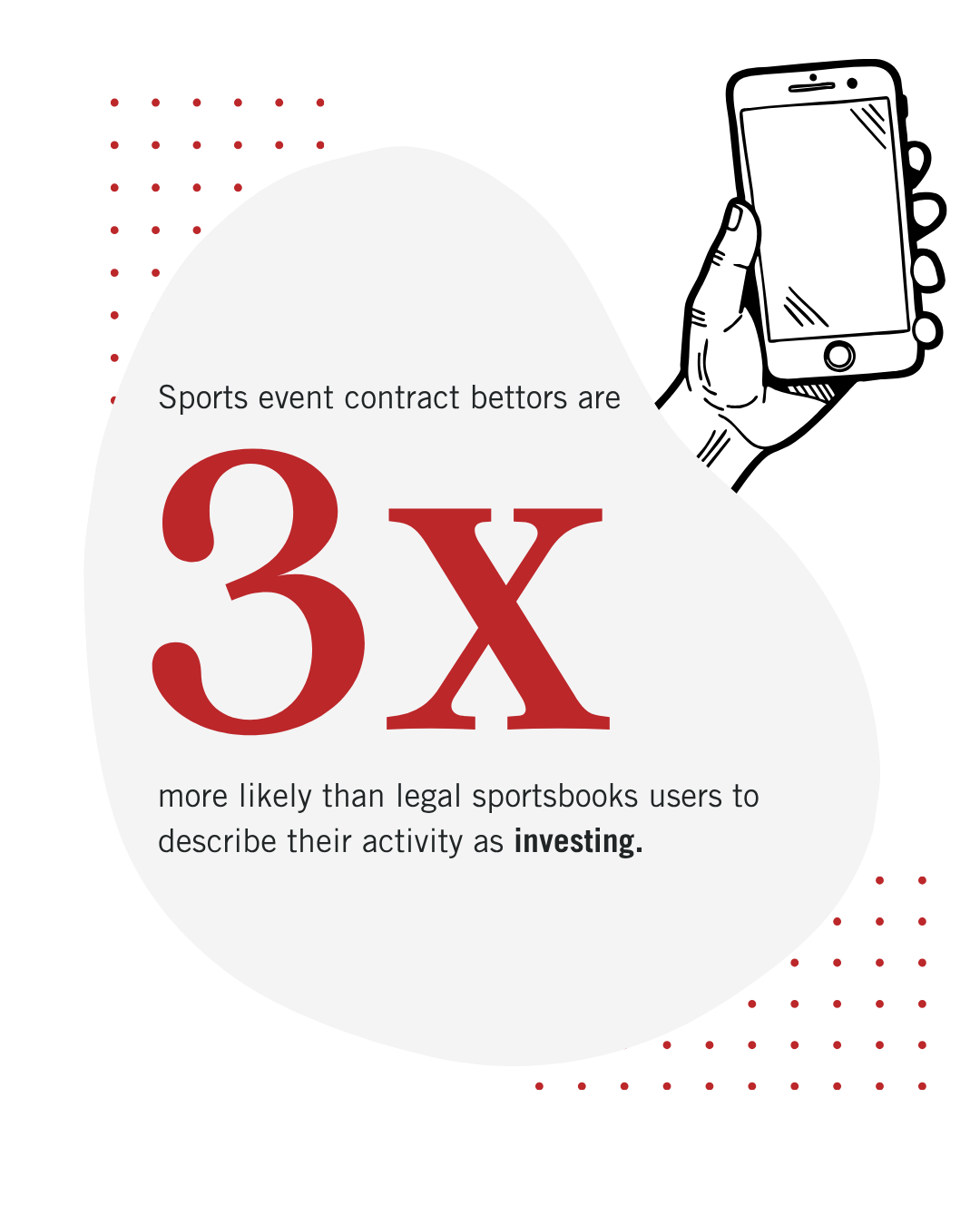
- Consumer harm arguments: States may argue sports trading increases confusion by blurring betting and investing.
The bigger issue is precedent. If the CFTC can cover sports contracts, what stops similar treatment for other entertainment or event markets? That question is not theoretical anymore.
How the market may react next
Expect slower product launches and more legal vetting. Some firms will pause. Others will repackage products to look less like sports bets and more like broader event markets. A few will push ahead and test the edges, because some companies always do.
But the smart money is on caution. Institutional partners dislike uncertainty. So do payment processors, app stores, and advertisers. One unresolved legal memo can freeze a roadmap.
If you are watching cftc sports trading from the business side, the near-term play is simple. Keep products narrow, document your legal basis, and assume state attorneys general are paying attention. Because they are.
What to watch before the next ruling
Watch for three things. First, whether the CFTC clarifies its position. Second, whether more states join the pushback. Third, whether operators start trimming sports exposure from event contract products.
The next move matters more than the rhetoric. If the agency digs in, the fight gets louder. If it backs away, the market may reshape itself fast. Either way, the old gray zone is closing. How long before someone draws the line in court?