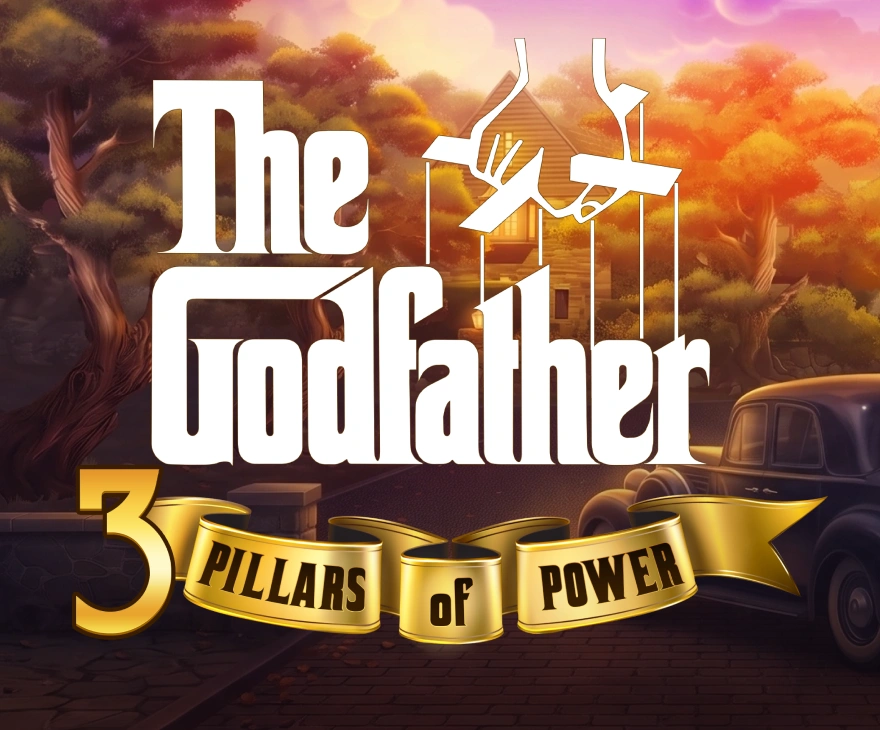
BGaming’s The Godfather 3 Pillars of Power Bonus Breakdown
Players do not need another loud slot with a famous skin and weak math. They need a clear reason to spin, and BGaming’s The Godfather 3 Pillars of Power tries to give them one with a bonus setup built around its mobster theme. That matters now because themed slots are everywhere, but only a few turn style into actual player value. If you are looking at this release, you probably want the same thing every sharp player wants. Does the bonus hold up, or is it just window dressing?
Here is the thing. A strong branded slot has to do two jobs at once. It must feel true to the source material, and it must still play like a real game with usable features, not a casino poster. BGaming knows that pressure, and this title is clearly trying to sell the fantasy of power, control, and a clean payout path. The question is whether the mechanics back up the pitch.
What stands out in BGaming’s The Godfather 3 Pillars of Power
- Theme first: The game leans into crime-family imagery instead of generic slot art.
- Bonus-driven design: The pitch centers on extra features, not base-game grind.
- Player appeal: It targets people who like branded entertainment and structured bonus play.
- Risk check: A strong theme does not guarantee strong value, so the paytable still matters.
Why the BGaming’s The Godfather 3 Pillars of Power bonus matters
Slots live or die by their features. A clean reel set can keep the game moving, but the bonus is where players expect the emotional lift. That is especially true in a title tied to a cultural heavyweight like The Godfather, where the theme carries years of baggage and expectation (fair or not).
BGaming has built the game around that pressure. The title suggests a structure based on power, control, and escalating rewards, which fits the source material better than a random gangster wrapper. If the bonus sequence lands, the game feels cohesive. If it misses, the whole thing starts to look like a licensed costume on top of ordinary math.
Themed slots only work when the feature set earns the theme. Otherwise, you are just paying for the poster.
How the offer is framed for players
The pitch behind this game is simple. You are not just spinning for symbols. You are chasing an offer that suggests reward, tension, and some sense of stacked advantage. That is smart from a marketing angle, because players respond to structure. A bonus gives them a reason to stay engaged beyond the base game.
But structure can be a trap. If the bonus hits too rarely, or if it looks exciting but pays modestly, the offer starts to feel inflated. That is where players need to slow down and check the details. What is the trigger rate? How volatile is the game? How much of the value sits inside the bonus rather than the regular spins?
BGaming’s The Godfather 3 Pillars of Power: what to check before you play
- Read the paytable. Do not rely on the theme or trailer alone.
- Look at volatility. High variance can mean bigger upside, but also longer dry spells.
- Check bonus access. If the feature is hard to trigger, the game may demand patience you do not want.
- Watch the return profile. A flashy bonus can still sit inside a tight overall payout structure.
Think of it like a restaurant with a dramatic menu. The title dish may sound expensive and impressive, but if the portions are thin, you notice fast. Slot features work the same way. Presentation gets you in the door. Pay structure decides whether you stay.
Who this game is really for
This release makes the most sense for players who like branded slots with a strong visual identity. It also suits people who prefer a bonus-focused experience and do not mind some volatility along the way. If you want slow, steady returns, this may not be your lane.
It is a fit for theme-first players, not for anyone chasing predictable sessions. That distinction matters more than most casino marketing admits.
What BGaming gets right, and what could still bite
BGaming usually understands how to build accessible slot content. The studio knows how to keep the interface clear and the action moving, which is not a small thing. Players hate clutter. They also hate feeling lost inside a feature set that needs a user manual.
Still, a branded game has a higher bar. It needs more than clear controls. It needs a bonus sequence that feels worth the wait, and it needs to avoid the empty swagger that plagues too many movie and TV tie-ins. If the features deliver strong moments, the game will have legs. If they do not, the brand will do most of the work, and that is never a good sign.
And that is the real test. Not whether the title sounds cool, but whether the mechanics can carry the name.
Should you try BGaming’s The Godfather 3 Pillars of Power?
If you like slots that sell a mood first and a math model second, this one deserves a look. The Godfather brand gives it a built-in edge, and BGaming appears to be using that edge to frame a bonus-heavy experience. That can work well when the feature set is tight and the pacing feels fair.
But do not give the theme too much credit. A gangster skin is not a payout strategy. If you are the kind of player who checks volatility, reads the paytable, and wants the bonus to justify the spin count, you are asking the right questions. Keep asking them. The next big branded slot is already on the way, and it will probably make the same promise. Will it pay like power, or just look the part?