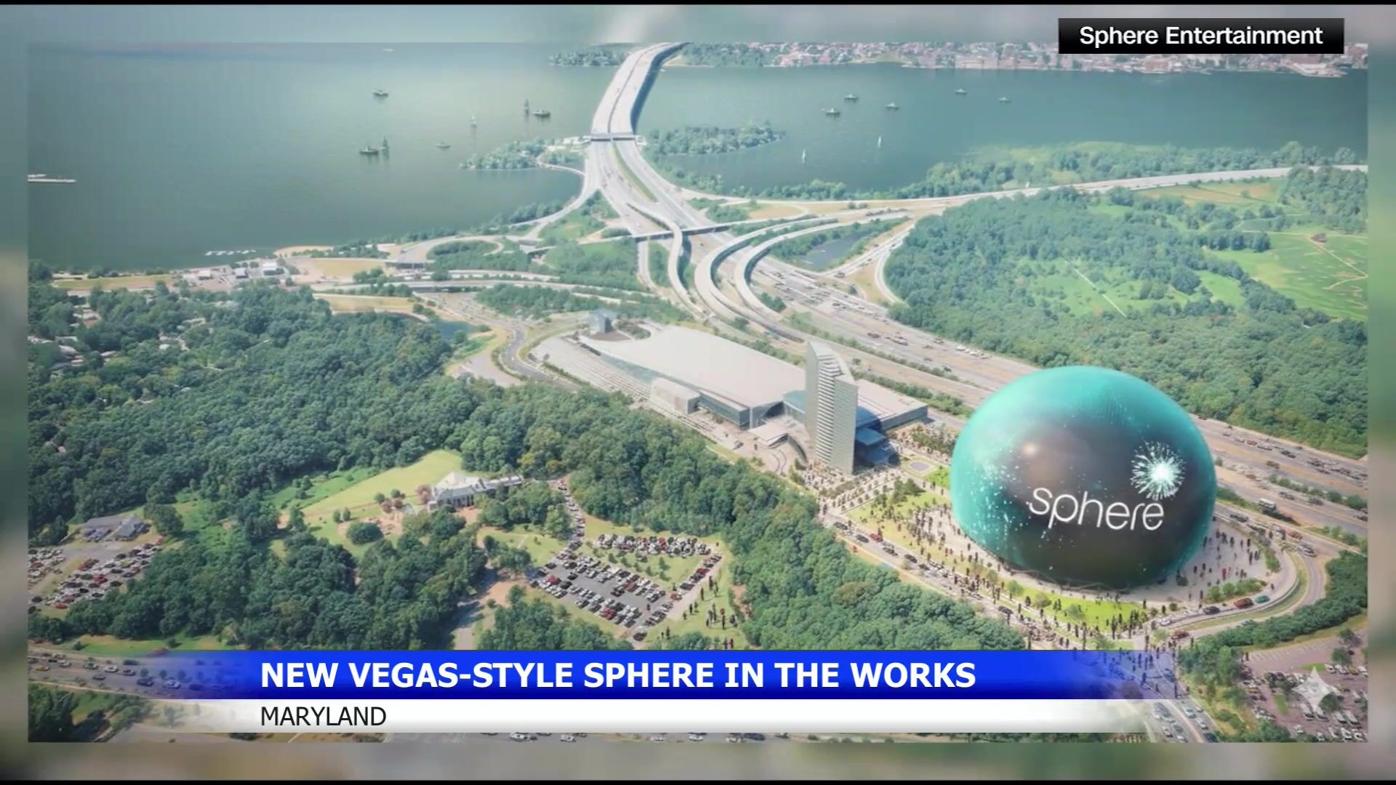
Maryland Sphere Project Faces FAA Scrutiny
A new Maryland Sphere project sounds simple on paper. Build a flashy live entertainment venue, pull in crowds, and give the region a headline-grabbing attraction. But one problem can stop that plan fast. Height. If a building sits near flight paths, the FAA gets a vote, and that vote can reshape the design before a shovel hits the ground.
That is exactly why the Maryland version of the Sphere concept is under review now. The issue is not just a local zoning fight. It is a test of how far event developers can push spectacle before aviation rules push back. And for anyone following live event real estate, the answer matters. Can a venue built for giant visuals survive a federal safety review without losing the very features that make it marketable?
What the Maryland Sphere project is up against
- FAA scrutiny usually centers on structure height, lighting, and proximity to airports.
- Any tall venue can trigger a formal review if it may affect air navigation.
- Developers may need to change the design, shrink the profile, or add mitigation measures.
- Local approval does not end the process if federal aviation concerns remain unresolved.
The FAA does not need to block a project outright to slow it down. It can force redesigns, add delays, and make financing harder if the final form is still uncertain. For a project built around visual impact, that kind of uncertainty cuts deep.
Why the FAA cares about a venue like this
At the heart of the review is a basic question. Would the building interfere with aircraft operations or create new hazards for pilots? Tall structures near airports can affect approach paths, radar visibility, and emergency procedures. Lighting can also matter, especially if the venue plans to use bright exterior displays.
Think of it like placing a high backboard in the middle of a basketball court. If the court layout changes, every play around it changes too. Airport airspace works the same way, only the margin for error is much smaller.
The bigger the visual ambition, the more the project has to prove it can coexist with the airspace around it.
That is the tension here. A Sphere-style venue is not a generic concert hall. It is a signature structure, and signature structures tend to test the boundaries of code, planning, and public tolerance. FAA review is where those boundaries get real.
What the Maryland Sphere project could change
If federal reviewers raise concerns, developers usually have a few paths. They can lower the height, shift the footprint, reduce lighting intensity, or move the project farther from sensitive air routes. Each option protects safety, but each one also chips away at the original pitch.
- Scale back the structure. This is the fastest way to reduce aviation risk, but it may weaken the venue’s visual identity.
- Adjust the site plan. Moving the building even a modest distance can matter if it clears a problem corridor.
- Change lighting design. Exterior screens and animated surfaces may need controls to limit glare and distraction.
- Negotiate mitigation. Developers can work with aviation officials to show the project will not interfere with operations.
Here’s the thing. Every change has a cost. And those costs do not stay in the architect’s office. They show up in construction budgets, investor confidence, and launch timelines.
Why this matters beyond Maryland
Live entertainment developers have been chasing bigger screens, taller shells, and more immersive fan experiences for years. The problem is that regulators do not care about the marketing language. They care about risk. That makes this Maryland Sphere review a useful case study for other cities trying to attract major event venues without stepping into aviation trouble.
For casino resorts, concert districts, and mixed-use entertainment hubs, the lesson is blunt. Site selection is not just about land cost or traffic flow. It is about what sits above the site too. Federal oversight can turn a polished concept into a slower, smaller, and less profitable one.
Location drives the rest of the math. If the airspace is tight, the project’s ceiling may be lower than the pitch deck promised.
What to watch next in the Maryland Sphere project
Watch for three things. First, whether the FAA issues formal conditions or objections. Second, whether the developer responds with design changes instead of defending the original height. Third, whether local officials treat the federal review as a routine step or a serious warning sign.
That last point is the one that usually decides momentum. A project can survive a technical review. But if the market starts to believe the design is unstable, the story changes fast. And once that happens, can the venue still sell itself as a one-of-a-kind draw?
For now, the Maryland Sphere project is a reminder that spectacle has limits. The next move belongs to the engineers, the planners, and the FAA, not the promo team.
What comes after the FAA review
If the project clears the airspace review, it can move back into the slower grind of permits, financing, and construction planning. If it does not, the developers will have to decide whether to shrink the vision or walk away from the site entirely. Either way, this is where many headline projects stop being about hype and start being about geometry.
That is the part worth watching. Big entertainment venues are easy to announce and hard to build. The Maryland case may show whether the next wave of arena-style attractions can survive contact with real-world limits.