Dutch Tax Rule Misses World Cup Prediction Markets
The Dutch tax picture around World Cup prediction markets is getting awkward. Operators want clean rules. Players want to know what they owe. Regulators want to tax the right activity without boxing the market into the wrong legal category. That sounds tidy on paper. It rarely is in practice.
Here is the problem. Prediction markets sit in a strange place between betting, financial products, and peer-to-peer speculation. If a tax rule was written for a plain sportsbook, it can miss the mechanics of these markets. And when a global event like the World Cup drives volume, the gaps show fast. Who should pay, when should they pay, and on what basis? Those are not academic questions. They affect product design, margin, and compliance risk right now.
What stands out in World Cup prediction markets
- Tax rules built for traditional betting can miss market-based products.
- Settlement timing matters. Tax often depends on when a gain is realized, not when a trade is opened.
- Operator classification is the weak point. A prediction market may not fit neat sportsbook assumptions.
- Cross-border activity adds friction. Dutch players and offshore platforms can trigger different tax treatments.
- Clear reporting is non-negotiable. Without it, both operators and users face avoidable disputes.
Why the Dutch tax treatment can miss the mark
Dutch tax rules tend to work best when the product is simple. A sportsbook bet has a clear stake, a clear outcome, and a clear win or loss. Prediction markets are messier. They can look more like trading than betting, with positions that move in value before the event ends.
That difference matters. If a tax rule assumes a bet is a single wager settled at one point in time, it may fail to capture interim gains, offsetting losses, or contract resale. The result is not just a technical miss. It can change the effective tax burden.
Look, the market is not asking for special treatment. It is asking for rules that match the product. Without that, the legal frame starts to wobble.
Why World Cup events make the problem louder
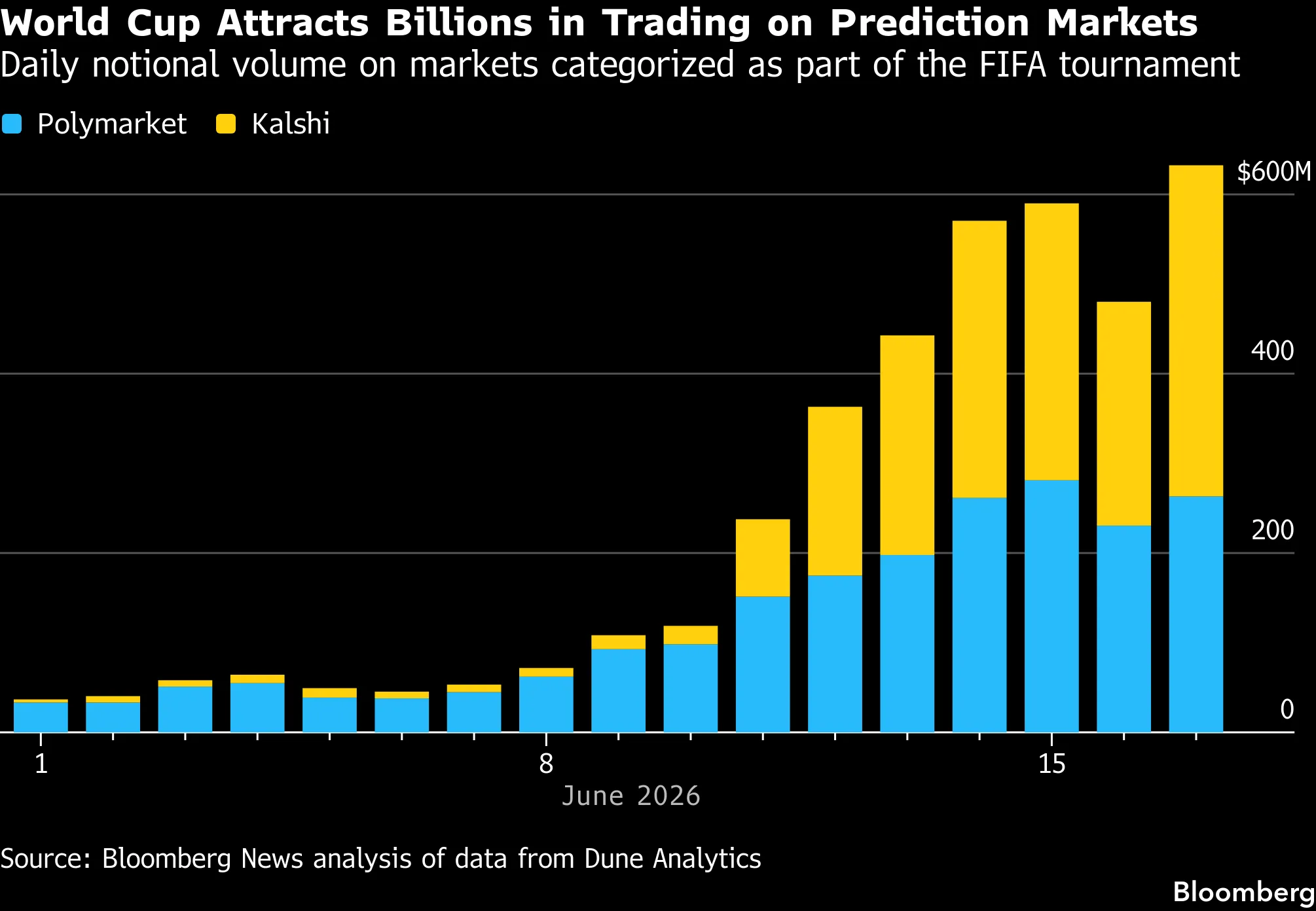
The World Cup compresses activity into a short window. Liquidity jumps. Casual users join. Operators push new formats. That mix exposes any tax rule that relies on a stable, easy-to-classify betting model.
And the tournament format creates its own edge cases. Group-stage markets, player props, futures, and live prediction contracts can all settle differently. One product may look like gambling. Another may look like a financial instrument. A tax authority cannot assume they are identical just because they share a football theme (they do not).
The core issue is simple. If the tax code taxes the wrapper instead of the transaction, prediction markets slip through the cracks.
What operators should check in a mainKeyword framework
If you run or distribute prediction products in the Netherlands, you need a clean internal view of World Cup prediction markets before the next major event pushes volume up again. That means mapping product type, user jurisdiction, settlement logic, and reporting duties.
- Classify each market format. Futures, binary outcomes, and exchange-style contracts should not sit in one bucket by default.
- Map the tax trigger. Decide whether the taxable event is stake placement, contract closure, or final settlement.
- Check payout records. Your ledger should show gross stake, gain, fee, and net result.
- Review customer disclosures. Users need plain-language explanations. Vague wording creates disputes later.
- Test cross-border routing. If a user or liquidity source sits outside the Netherlands, confirm where the tax hook lands.
That process is tedious. It is also cheaper than a retrospective fix. Ask yourself one question. Would your current reporting stand up if a tax authority asked for every World Cup contract, trade, and payout in one bundle?
How this affects compliance teams and product design
Compliance teams often inherit the worst of both worlds. They must treat prediction markets carefully without slowing the product to a crawl. But product teams can help by building tax logic into the flow from the start, not after launch.
For example, if a market allows users to exit before the final result, the platform should record realized gains at exit. If it only settles at the end, the reporting model should reflect that. This is basic architecture work, like pouring the foundation before you start framing the house. Skip it, and the whole structure shifts under load.
There is also a reputational angle. Users remember surprise tax treatment. They remember withheld payouts and unclear deductions. That kind of friction lands hard during a major tournament, when the product is supposed to feel fast and simple.
What players need to know
Players should not assume every World Cup market follows the same tax rule as a standard sports bet. Some products may generate taxable gains differently. Others may sit outside the usual betting categories altogether.
That does not mean every user needs a tax lawyer on speed dial. It does mean they should keep records. Entry price, exit price, payout, and fees matter. If the platform gives a transaction history, save it. If it does not, that is a red flag.
Good records reduce pain later. Simple as that.
What happens next for Dutch regulation
Regulators rarely move at the speed of a tournament calendar. That is the tension here. The market changes faster than the rulebook. So the likely next step is not a dramatic rewrite. It is more likely to be guidance, enforcement focus, or a tighter reading of existing tax categories.
That still matters. A narrow interpretation can reshape product availability. A broader one can pull more activity into reporting. Either way, operators cannot afford to wait for perfect clarity. They need a defensible position now.
The real test will be whether Dutch tax treatment can distinguish between a bet, a trade, and a contract without pretending they are the same thing. Can it? That answer will decide how much room prediction markets have to grow around the next World Cup and beyond.
A cleaner playbook for the next tournament
The smartest teams will treat this as a product and tax design problem, not just a legal footnote. Build the ledger properly. Label the market type properly. Explain the tax treatment in plain language. Then revisit it before the next major event, because these products rarely stand still.
The market is moving. The tax code will either keep up, or keep missing. Which one do you think happens first?