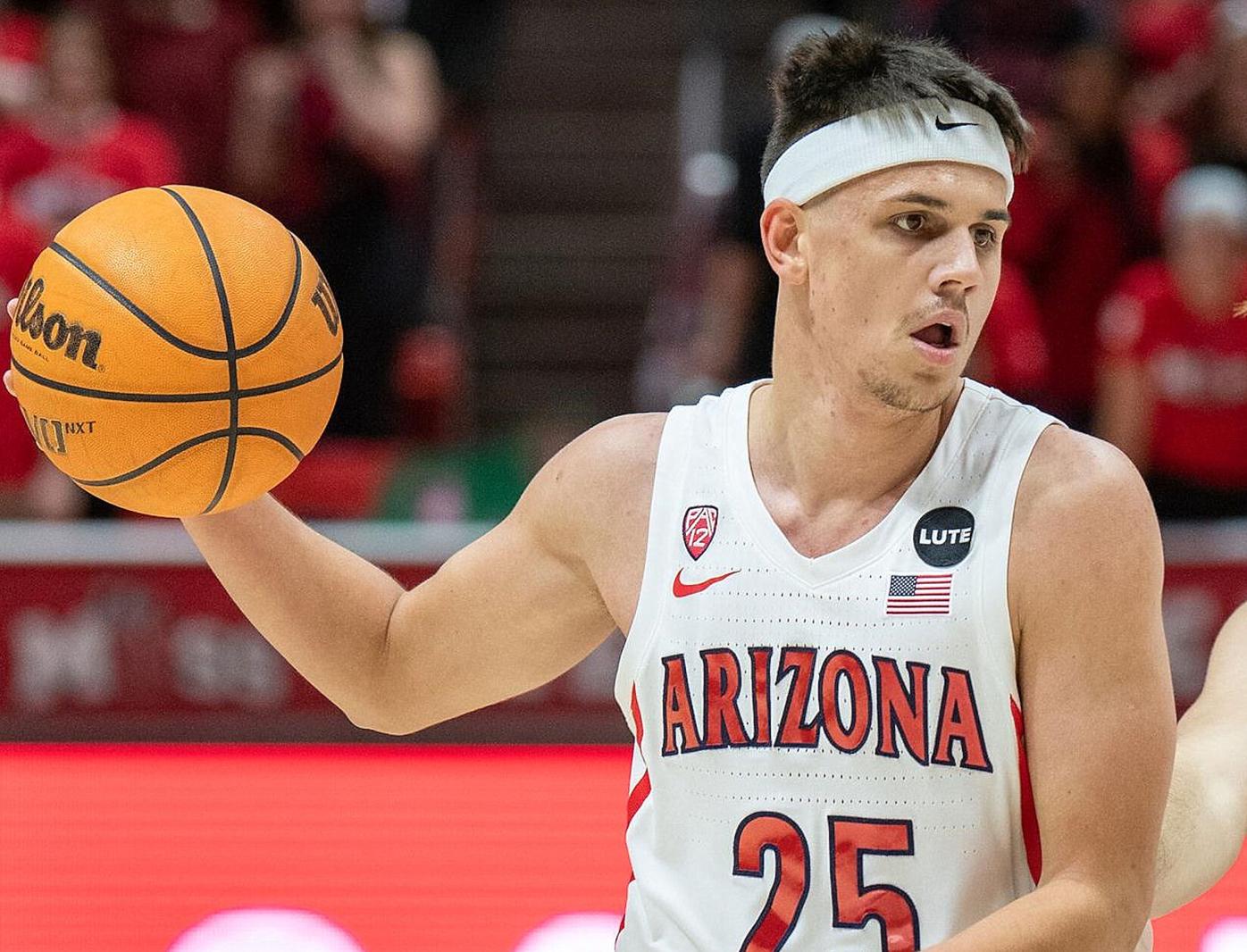
Kerr Kriisa Point Shaving Report: What the Latest Update Means
The Kerr Kriisa point shaving report has pulled a familiar trigger in sports betting circles. A headline lands, the rumor mill spins, and suddenly everyone is asking the same question: what is actually confirmed, and what is noise? That matters now because betting markets react fast, and a loose allegation can shape public perception before facts catch up.
Look, this is not just about one player or one game. It is about how quickly misconduct narratives spread, how sportsbooks respond, and how compliance teams separate real risk from internet chatter. If you work in betting, media, or risk control, you need the facts before you draw a line from speculation to enforcement.
- The latest reporting says Kriisa is not facing point shaving charges.
- That distinction matters. Allegation is not the same as charge.
- Sportsbooks and media teams should verify claims before reacting.
- Market integrity depends on evidence, not noise.
- Careless framing can create legal and reputational problems fast.
Why the Kerr Kriisa point shaving report matters
Point shaving claims hit a raw nerve because they go straight to trust. Bettors want clean markets. Operators want clean books. Regulators want proof that integrity controls work. When a player name is tied to a betting scandal, even loosely, the story can move faster than the evidence.
That is why the wording around the Kerr Kriisa point shaving report matters so much. If a source says a player is not facing charges, that should stop the rumor from being treated like a legal finding. But online, that line often gets blurred. And once it blurs, people start filling in the blanks.
Point shaving is a serious allegation, but it is not a casual label. If there is no charge, no filing, or no confirmed enforcement action, then the story should be treated as unproven.
What the update actually changes
The practical change is simple. The latest report narrows the scope of the story. It suggests that the player is not currently the subject of point shaving charges, which is a very different position from being accused in a formal case.
That distinction matters for legal teams, compliance officers, and anyone publishing about betting integrity. Would you want your brand tied to a claim that has not been checked? Of course not. The cost of a sloppy headline can show up in reader trust, partner questions, and internal escalation.
For sportsbooks, the right response is measured. Review any linked betting activity. Check whether the event triggered unusual volume. Document what you know and what you do not know. That is the job.
Kerr Kriisa point shaving report and betting integrity controls
This case is a useful reminder that integrity work is part detective work, part plumbing. You do not notice the pipes until they leak. Same thing here. A betting issue can sit quietly until a headline forces everyone to check the data trail.
What operators should review
- Market movement. Look for unusual line shifts or spikes in low-profile markets.
- Account behavior. Check for clustered wagers, timing patterns, or repeated exposure to one outcome.
- Communication flow. Review any alerts from integrity monitors, league partners, or trading teams.
- Public messaging. Make sure customer-facing language does not overstate what is confirmed.
None of that proves misconduct by itself. It only helps you tell a real signal from static. And that distinction saves time later, when a regulator or partner asks for a clean record of your response.
How media and compliance teams should frame the story
Start with the verified fact, then add the context. That is the cleanest route. If the update says no point shaving charges are pending, say that plainly. Do not dress it up. Do not hint at more than the record supports.
For editors, this means tighter headlines and cleaner sourcing. For compliance teams, it means a quick internal check on whether any betting alerts line up with the timeline. For PR teams, it means avoiding the trap of over-explaining something that is still unsettled.
Think of it like cooking. If the recipe calls for one ingredient, you do not throw in five extras and hope the flavor works out. Same here. Add only what the evidence supports.
Simple rules for better coverage
- Use charge, allegation, and rumor correctly.
- Separate court filings from media reports.
- Do not imply guilt from market movement alone.
- Keep your language tight and specific.
One sentence matters more than a dozen loose ones.
What bettors should take from the Kerr Kriisa point shaving report
Bettors do not need to become investigators. But you do need to be skeptical when a betting story starts to outrun the record. If the source material says there are no point shaving charges, then treat it that way unless new evidence appears.
That does not mean betting integrity concerns are fake. They are real. Regulators, leagues, and sportsbooks have spent years building monitoring systems because bad actors do exist. But the existence of risk does not make every rumor true.
Honestly, that is the hardest part of this beat. People want a dramatic answer. The better answer is usually slower, cleaner, and less exciting.
What happens next
Expect more scrutiny, not less. Any betting-adjacent story tied to a known player can trigger follow-up reporting, internal reviews, and more careful language from operators. The smart move is to watch the official record, not the loudest post in the feed.
If the story changes, the facts will change with it. Until then, the right read is straightforward: the Kerr Kriisa point shaving report is a reminder to verify before you amplify. What happens when the next name hits the same cycle? That is the test the industry still has to pass.