UK Prize Draw Operators and the Voluntary Code Gap
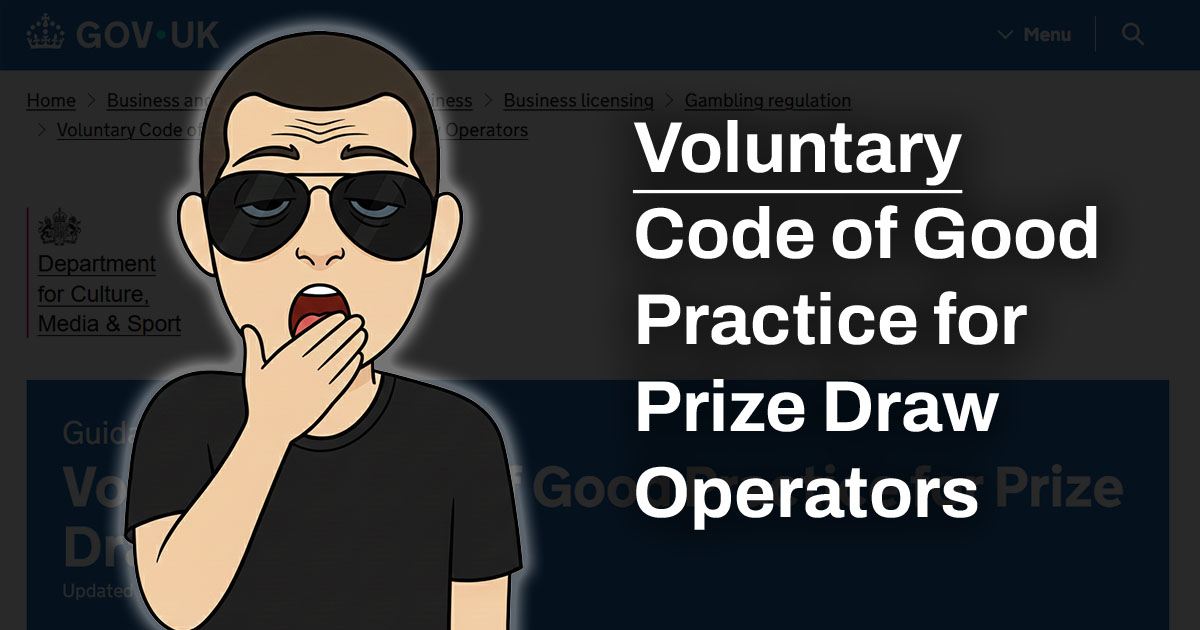
UK prize draw operators are facing a trust problem, and the UK prize draw voluntary code sits right in the middle of it. If only a small slice of the market signs up, the code stops looking like a standard and starts looking like a nice idea that most firms can ignore. That matters now because prize draws sit close to gambling, but often outside the tighter rules that cover licensed betting and gaming. If you run a brand, sell into the sector, or advise one, you need to know where the pressure points are. What happens when self-regulation is thin and the market keeps growing anyway?
- Only a minority of operators have signed the voluntary code, which weakens its reach.
- Consumer trust depends on clear rules, not just marketing claims.
- Operators that sign may gain a reputational edge, but the benefit is limited if the rest stay out.
- Regulators and policymakers are likely to watch the gap closely.
What the UK prize draw voluntary code is trying to fix
The code aims to set basic standards for prize draw operators. That usually means clearer terms, fairer promotions, better transparency on draws, and a cleaner customer experience. In theory, that is a sensible middle ground between no oversight and full gambling-style regulation.
But theory is cheap. A voluntary code only works if enough operators treat it as non-negotiable. If most do not sign, the market ends up with a split personality. Some brands follow the rules. Others keep the flexibility and the lower overhead.
Self-regulation works best when the people outside the room feel enough pressure to come back in. Without that pressure, it is just a badge.
Why low sign-up rates matter for the UK prize draw voluntary code
Low adoption creates three problems. First, it weakens consumer confidence. Second, it gives weaker operators room to undercut better ones. Third, it raises the odds that policymakers step in with harder rules.
Look at it like a football league where only a few clubs agree to play by the same salary cap. The clubs that follow the cap may get cleaner books, but they also face rivals who can spend more and take shortcuts. That does not stay orderly for long.
Trust is the first casualty
Prize draws rely on perception. People need to believe the promotion is fair, the odds are clear, and the prize really exists. If the sector cannot show broad agreement on basic conduct, every headline about an opaque draw or misleading entry mechanic does more damage.
That hits newer brands hardest. A small operator with good intentions still gets lumped in with the worst actors. And that is the problem with weak standards. They do not just fail. They drag everyone else with them.
Commercial pressure does the rest
Signing a code can mean more process, more disclosure, and sometimes slower growth. Some operators will avoid that cost unless they are forced to act. Others will sign, then wonder why they bothered when competitors keep marketing the same products without the same obligations.
The market then rewards the least disciplined playbook. That is rarely a healthy sign.
What operators should do now
If you operate in this space, waiting for the dust to settle is a weak strategy. You need to decide whether the voluntary code is a floor or just a branding exercise. Treating it as the latter is risky.
- Review every customer-facing term. Make entry rules, prize conditions, and eligibility language plain.
- Audit draw mechanics. Check that the selection process is documented and repeatable.
- Fix marketing claims. Remove vague language that could mislead players about value or odds.
- Train support teams. Your front line needs to answer fairness questions fast and consistently.
- Track complaint patterns. Recurring confusion is a signal, not noise.
Honestly, this is less about box-ticking than about reputation management. A prize draw business is a trust business, whether the founders admit it or not.
Could this push the UK toward tougher oversight?
Possibly. If voluntary adoption stays low, policymakers have a simple argument: the market did not police itself. That opens the door to firmer rules, clearer licensing triggers, or stronger consumer protection requirements.
And once that conversation starts, it rarely stays narrow. Regulators do not love patchy standards, especially in sectors that touch gambling-like behaviour. The question is not whether the UK will care. It is how soon the current gap becomes impossible to ignore.
What smart brands will watch next
The next few moves matter more than the press release. Keep an eye on how many operators sign, whether trade bodies push harder, and whether complaints or media scrutiny keep rising. Those signals tell you whether the voluntary code is gaining teeth or fading into background noise.
If you are in this sector, treat compliance as a product feature, not a legal footnote. That mindset will matter more if the market keeps resisting self-regulation. And if the code cannot pull the industry toward a common baseline, what comes next will almost certainly be less comfortable for everyone involved.