Caesars Eldorado Merger Clears Shareholder Vote
If you own casino stocks, work in gaming, or follow US betting policy, the Caesars Eldorado merger is the kind of deal you cannot treat as background noise. Shareholders at Caesars Entertainment approved the merger with Eldorado Resorts, according to iGaming Business, moving one of the sector’s largest casino combinations past a major ownership hurdle. The vote does not finish the transaction. Regulators still get their turn, and that is where big gaming deals often slow down. But the approval matters because it shows investor support for a plan that would combine two large land-based operators at a time when casinos are chasing scale, sports betting reach, and cleaner balance sheets. The basic question now is simple. Can a larger Caesars become sharper, or will size make the company harder to steer?
What Stands Out
- Caesars shareholders approved the proposed merger with Eldorado Resorts.
- The deal still needs regulatory approvals before it can close.
- The combined group would control a wide casino portfolio across key US markets.
- Debt, asset sales, and operational focus will shape whether the deal works.
- Sports betting and digital gaming add upside, but they do not erase integration risk.
Why the Caesars Eldorado Merger Vote Matters
Shareholder approval is not a rubber stamp in a deal of this size. Investors had to weigh the promise of a stronger combined casino operator against the usual headaches: debt, regulatory scrutiny, overlapping assets, and management execution. They backed the plan.
That vote gives Eldorado and Caesars a cleaner path into the next phase. It also signals that many investors believe the old Caesars structure needed a shake-up. The company had strong brands and famous properties, but it also carried baggage from years of restructuring, debt pressure, and uneven performance.
Look, I have watched enough casino mergers to know the headline number rarely tells the whole story. The real story starts after the vote, when management has to blend systems, loyalty programs, labor agreements, supplier contracts, and state-by-state compliance demands.
The shareholder vote is a milestone, not a finish line. Casino mergers are won or lost in regulatory rooms, property-level execution, and balance sheet discipline.
What Shareholders Actually Approved
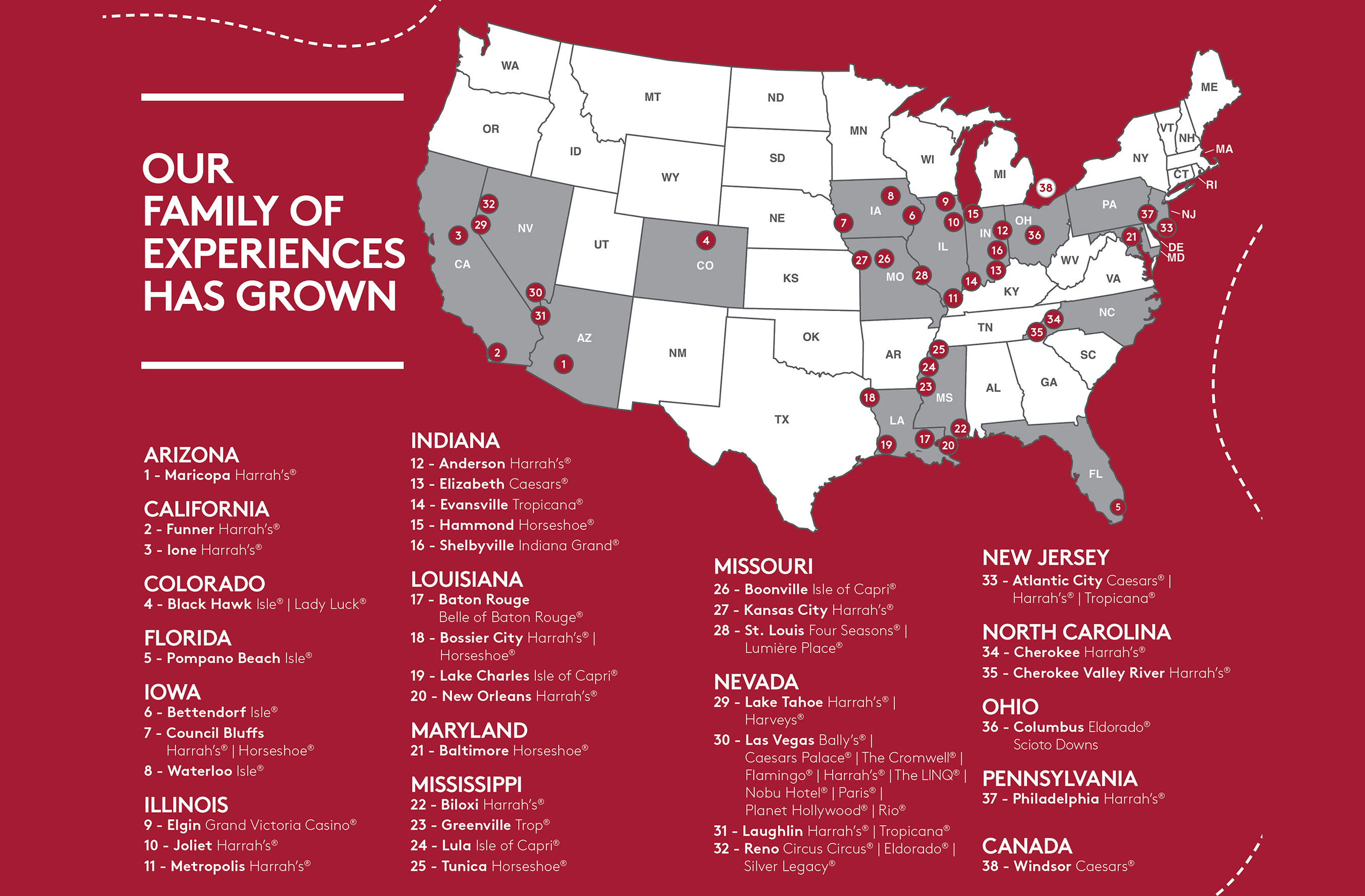
The approved transaction would bring Caesars Entertainment and Eldorado Resorts together under one corporate structure. Eldorado had already built a reputation as an aggressive consolidator in regional gaming, while Caesars brought one of the best-known names in casinos, along with the Caesars Rewards loyalty program and high-profile Las Vegas assets.
That mix is why the deal drew so much attention. Eldorado was not buying a small local operator. It was moving toward control of a national casino brand with a deep customer database, marquee properties, and licensing footprints across multiple states.
For shareholders, the pitch is easy to understand:
- Scale: A larger property network can spread corporate costs across more venues.
- Brand power: Caesars remains one of the most recognizable names in gaming.
- Cost savings: Management can cut duplicate functions after closing.
- Digital optionality: A wider casino base can support sports betting and online casino growth where legal.
- Asset flexibility: Some properties can be sold to reduce debt or satisfy regulators.
That last point may become central. In big casino combinations, regulators often care about market concentration, especially in states or cities where the merged company would own several properties. Selling assets is sometimes the price of approval.
Caesars Eldorado Merger and the Regulatory Road Ahead
The next stage belongs to gaming regulators and antitrust reviewers. Casino ownership is not like buying a chain of coffee shops. Every major gaming state wants comfort on licensing, financial suitability, compliance controls, responsible gambling standards, and local market impact.
Regulators will look at the merged company’s footprint property by property.
Expect attention in markets where Caesars and Eldorado both have a presence. Regulators may ask whether the combined company would hold too much local power, especially if customers, suppliers, or labor groups could face fewer choices. That does not mean the deal is in trouble. It means the review will be detailed.
What could regulators ask for? A few possibilities stand out:
- Property divestitures in overlapping markets.
- Clear financing plans to show the company can operate safely after closing.
- Assurances on compliance staffing and internal controls.
- Updated licensing reviews for executives and key owners.
- Market-specific commitments tied to jobs, investment, or local operations.
Think of it like a major football trade. The fan base may love the star signing, but the league still checks the salary cap, roster rules, and paperwork before anyone plays a down.
What This Means for Caesars Properties and Customers
For casino guests, the early impact should be limited. Properties do not usually change overnight after a shareholder vote. The more visible changes tend to come later, after closing and after management starts folding operations together.
The biggest customer-facing area is the loyalty program. Caesars Rewards is a major asset because it links casino play, hotel stays, dining, entertainment, and partner offers. Eldorado would have a clear incentive to protect that value rather than dilute it.
Could benefits change? Yes. Loyalty programs are living systems. Earning rates, tier rules, partner perks, and property access can shift after a merger. Customers should watch their accounts, read updated terms, and avoid assuming that today’s benefit grid will last forever.
Employees face a different set of questions. Mergers create overlap at corporate offices, procurement teams, marketing departments, and sometimes regional management. At the property level, staffing changes often depend on local performance and union agreements (where they exist).
The Strategic Bet Behind the Deal
The logic behind the deal is clear enough. The combined operator would have more properties, more customer data, more negotiating power with vendors, and a bigger platform for sports betting partnerships. Scale can help in gaming, especially as operators spend heavily on digital technology and compliance.
But scale has a dark side. Large casino groups can become slow, political, and debt-heavy. They can cut too deeply in the name of savings, then wonder why guest service slips. I have seen that movie before.
The sharp operators treat integration like kitchen prep before a dinner rush. If the ingredients, stations, and timing are not set before guests arrive, the whole room feels the delay. Eldorado’s management will need that discipline if the merger closes.
Why Debt Is the Number to Watch
Casino mergers often sound glamorous because they involve famous properties and giant transaction values. The less glossy issue is debt. A large combined company can create savings, but it also needs enough cash flow to service obligations, invest in properties, and compete in sports betting.
Investors should watch three numbers after closing:
- Net debt: How much borrowing remains after asset sales or refinancing.
- Adjusted EBITDA: Whether property earnings support the merger model.
- Capital spending: Whether management keeps properties fresh or starves them to hit targets.
That third line is often underrated. Casino floors, hotel rooms, restaurants, and entertainment spaces wear down. If management cuts investment too hard, customers notice. And once a gambler changes their favorite property, winning them back costs money.
Sports Betting Adds Pressure and Opportunity
The merger comes during a period of fast sports betting expansion in the US. Since the Supreme Court struck down PASPA in 2018, states have opened legal betting markets at different speeds, with different tax rates and mobile rules.
A larger Caesars could use its property map and brand database to support online betting partnerships. The company can cross-promote retail sportsbooks, mobile apps, hotel offers, and casino rewards. That is the attractive version.
The tougher version is more expensive. Sports betting margins are thinner than many casual observers think. Promotions cost money. Technology costs money. Compliance never sleeps. A big casino brand can help, but it does not guarantee digital profit.
So the real question is not whether the Caesars Eldorado merger creates a larger sports betting platform. It does. The better question is whether management can turn that platform into disciplined revenue without chasing market share at any price.
What Investors Should Watch Next
Now that Caesars shareholders have approved the merger, the next updates will likely focus on approvals, asset sales, financing, and closing timing. Investors should read those updates with a skeptical eye. Good merger communication is specific. Weak communication hides behind broad promises.
Watch for these signals:
- Which regulators approve the deal, and whether they attach conditions.
- Which properties are sold, at what valuation, and to whom.
- Whether expected cost savings stay realistic or keep expanding.
- How management describes loyalty program integration.
- Whether debt reduction happens quickly enough to calm the market.
Do not ignore local reporting, either. State gaming boards and city officials often reveal practical issues before national investors price them in.
The Next Test Is Execution
The Caesars Eldorado merger now has shareholder backing, which is a real step. Still, the harder work sits ahead. Regulators need convincing, employees need clarity, customers need consistency, and investors need proof that bigger will also mean better run.
My view is simple. The deal can work if management treats debt reduction and property execution as non-negotiable. If it leans too heavily on brand power and cost cuts, the combined company may inherit the old Caesars problems in a larger package. The next practical step is to watch the regulatory calendar and the first planned asset sales, because that is where the merger story becomes measurable.