UK Gambling Black Market Risk Grows as Scale Wins
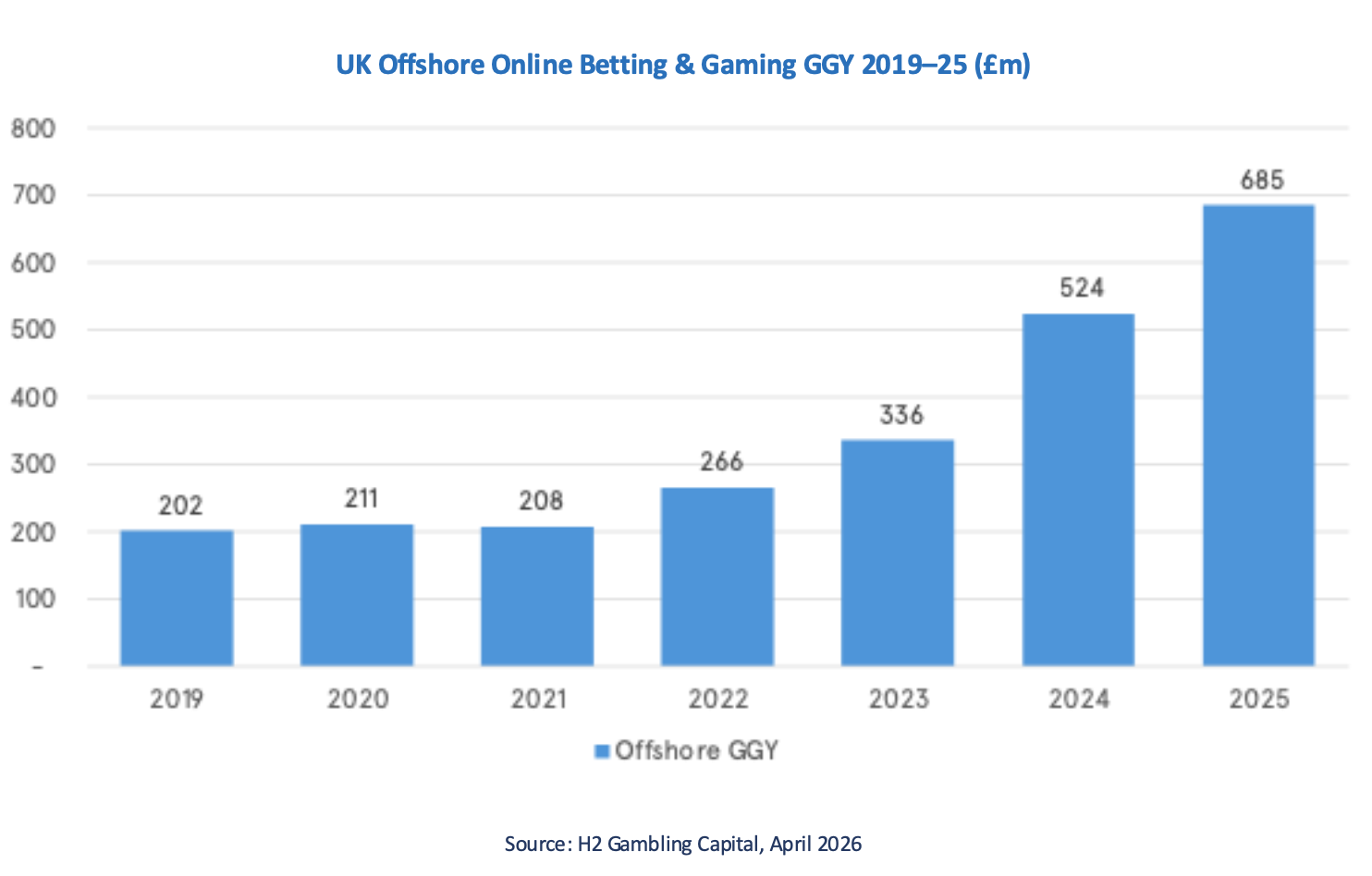
You face a strange problem if you run, regulate, or invest in UK betting. The licensed market is getting tougher, while the UK gambling black market is getting easier for players to find. Flutter’s UK and Ireland leadership argues that scale will decide the winners in Britain, according to iGaming Business, but the more awkward risk sits outside the licensed system. That matters now because the UK is still working through Gambling Act review reforms, affordability checks, product rules, and pressure from tax policy. Push too hard in the wrong place and some players will not stop gambling. They will move. And once they move to offshore sites, the tools that make gambling safer in Britain lose their reach.
What matters most
- Flutter sees scale as a major advantage in the regulated UK market, where compliance, product, and marketing costs keep rising.
- The UK gambling black market is the real policy risk if regulation makes licensed betting feel too slow, intrusive, or limited.
- Affordability checks need careful design because friction can push high-value customers toward offshore operators.
- Large licensed brands have better data, safer gambling systems, and customer support, but they also face sharper public scrutiny.
- Regulators need enforcement against illegal sites, not only tighter rules for firms already inside the tent.
Why the UK gambling black market matters now
The UK has one of the world’s most mature online gambling markets. That is the good news. The bad news is that mature markets attract offshore operators that can copy the front-end experience without carrying the same costs.
Licensed operators pay gambling duty, follow UK Gambling Commission rules, verify age and identity, monitor harm markers, and handle complaints through formal routes. Illegal operators can skip much of that. They can offer fewer checks, higher bonuses, and sometimes products that licensed brands cannot promote in the same way.
That gap creates a policy trap. If legal betting becomes too clunky, a slice of customers will search for alternatives. What do you think they find first, a safer gambling helpline or a slick offshore casino with a sign-up bonus?
“The danger is not that regulation exists. The danger is regulation that makes the legal market less attractive than the illegal one.”
That is the point Flutter’s UK comments bring back into focus. The debate cannot stop at what licensed companies should do. It also has to ask who benefits when legal operators are boxed in.
How scale changes the UK gambling black market debate
Scale gives a company like Flutter obvious advantages. It can spread technology costs across major brands, invest in safer gambling systems, and use a bigger customer base to test products. In a tighter UK market, that matters.
Smaller operators do not get the same cushion. A new compliance requirement, platform rebuild, or marketing restriction can hit them harder. Over time, that favors the largest groups, including Flutter, Entain, bet365, and other firms with deep product teams and enough cash to absorb shocks.
Scale is the house edge of modern regulated betting.
But scale does not solve the offshore problem by itself. A large licensed operator still has to obey local rules. An illegal operator can move domains, change payment routes, and target players from outside the UK. It is like Premier League clubs playing under VAR while a rival league ignores the referee and still sells tickets to the same fans.
What Flutter’s position tells you
Flutter’s argument is partly commercial, of course. Big operators tend to like rules they can afford and rivals cannot. I have covered this sector long enough to treat every public policy stance as both a warning and a business case.
Still, the black market point is not a throwaway line. The UK Gambling Commission has repeatedly treated illegal online gambling as a live enforcement issue, and the government’s gambling reform work has tried to balance consumer protection with market channelisation. That word sounds dry, but it means something simple: keep players inside the licensed market where rules can reach them.
Affordability checks are the pressure point
Financial risk checks sit at the center of this fight. In principle, they make sense. Operators should spot signs of harmful losses, unaffordable play, or rapid escalation. No serious licensed firm can argue against that basic goal.
The hard part is execution. If checks feel private, fast, and proportionate, most customers will accept them. If they feel like a mortgage application for a Saturday accumulator, some will leave. High-spending customers are the most likely to notice the friction, and they are also the customers offshore sites want most.
A workable model should include:
- Low-friction checks first: Use credit reference data and public records where possible, without asking customers for documents too early.
- Clear thresholds: Players should know why a check happens and what it means for their account.
- Fast review paths: Delays create anger, and anger sends people to search engines.
- Consistent standards: If each operator applies the rules differently, customers will shop for the softest gate.
- Visible enforcement offshore: Legal operators should not be the only ones carrying the burden.
What licensed operators should do next
Operators cannot wait for regulators to fix every offshore risk. They need to make the legal product feel safer without making it feel broken. That means fewer dead ends, cleaner account messaging, and safer gambling tools that work before a customer reaches crisis point.
Here’s the thing. Many safer gambling journeys still read like they were written by lawyers for auditors. Players need plain English, quick explanations, and choices that do not feel punitive (especially when no harm has been identified).
- Explain account limits in normal language. Tell the customer what changed, why it changed, and what they can do next.
- Test friction like a product feature. If a check causes drop-off, study where and why instead of treating it as a compliance footnote.
- Invest in customer service. A five-minute chat can prevent a player from searching for an offshore site.
- Track black market leakage. Search behavior, payment failures, and customer complaints can show where risk is rising.
What regulators should watch
The UK regulator has a tough brief. It must protect consumers, keep crime out of gambling, and maintain confidence in a sector that still draws political heat. But enforcement needs two lanes: tougher standards for licensed firms, and sharper action against illegal supply.
That second lane is harder. Offshore sites can sit outside UK jurisdiction, use mirror domains, and change payment providers. Even so, regulators can work with search engines, payment firms, hosting providers, sports bodies, and overseas agencies. Blocking every bad actor is unlikely. Raising their cost of doing business is still worth doing.
Tax policy also belongs in this discussion. If duties rise too far, legal operators have less room for pricing, promotions, and product investment. That does not mean taxes should stay low forever. It means policy makers need to measure the combined load of tax, compliance, product limits, and customer checks.
The next UK gambling black market test
The next test is not whether Flutter and other large operators can survive. They can. The sharper question is whether the regulated market stays attractive enough for players who have plenty of illegal options one search away.
Scale will probably win in the UK. But if regulation, tax, and poor customer experience push too many players offshore, the winner will not be a listed operator or a safer gambling campaign. It will be the operator that never applied for a UK licence in the first place.