North America iGaming Growth Reshapes Market Priorities
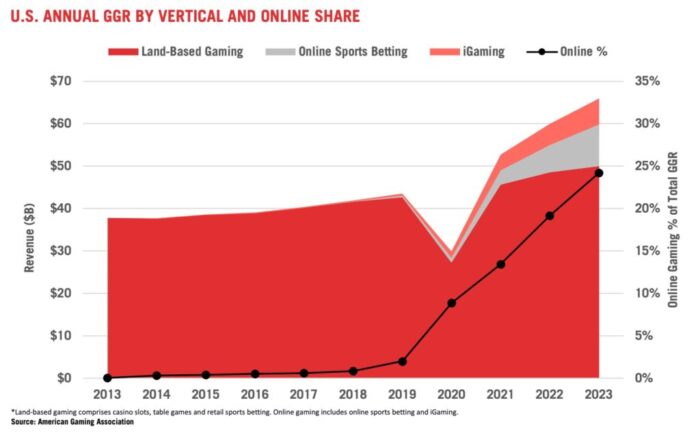
Operators are chasing growth while regulators keep tightening the screws, and that tension is now shaping every serious iGaming plan. North America iGaming growth has become the bright spot, according to reporting by iGaming Business on the latest SOFTSWISS analysis, while Europe faces heavier scrutiny, higher compliance costs, and slower room for expansion. That matters because budget, product roadmaps, and market entry plans follow momentum. If your team still treats Europe as the default center of gravity, the data should make you pause. The shift is not simple, since the United States and Canada are fragmented, expensive, and politically sensitive, but the direction is clear enough to affect decisions now.
What Stands Out
- North America is pulling more attention as regulated online casino and betting markets mature state by state and province by province.
- Europe is getting tougher, with tighter advertising rules, affordability checks, licensing pressure, and tax debates.
- Compliance is now a growth filter, not a back-office task that teams can clean up later.
- Suppliers need regional flexibility, especially around payments, responsible gambling tools, and reporting standards.
Why North America iGaming Growth Is Hard to Ignore
The SOFTSWISS report, covered by iGaming Business, points to North America as one of the main engines for current sector growth. That does not mean every operator can walk in and win. It means capital, supplier focus, and product testing are following the region because legal online gambling still has open runway.
Look at the structure. The US is not one market. It is a patchwork of states with different rules, tax rates, licensing conditions, and political moods. Canada adds another layer, with Ontario acting as the clearest regulated commercial model so far.
The money is moving toward markets that still have room to breathe.
That creates an odd mix of promise and friction. A sportsbook or casino supplier may see huge brand potential in North America, then run into long approval timelines, costly local partnerships, strict geolocation demands, and payment habits that differ from Europe. It is a bit like building a restaurant chain where every city changes the kitchen code, menu rules, and opening hours.
Europe’s Regulatory Squeeze Changes the Math
Europe remains a major iGaming base, but the easy-growth phase is long gone. Mature markets such as the UK, Germany, the Netherlands, Sweden, and Spain have moved toward tighter controls on advertising, player protection, and operator conduct. Some rules protect consumers in sensible ways. Others create messy costs that smaller brands struggle to absorb.
Germany is the clearest warning sign. Strict product limits, deposit restrictions, and licensing requirements have shaped the market in ways that many operators consider commercially painful. The Netherlands has also tightened advertising rules after rapid growth raised public concern. The UK continues to move through reforms linked to its gambling white paper, including affordability and safer gambling controls.
For operators, Europe is no longer just a revenue base. It is a stress test for governance, data quality, and patience.
What should you watch first? Not press releases about market size. Watch enforcement action, tax changes, ad restrictions, and technical standards. Those are the details that decide whether a market is worth entering or better served through a limited B2B role.
North America iGaming Growth Rewards Prepared Operators
North America does not reward copy-and-paste expansion. A platform that works in Malta, Sweden, or the UK may need deep changes before it fits New Jersey, Michigan, Pennsylvania, or Ontario. Regulators expect clear audit trails, tested controls, and local accountability.
That is where suppliers can gain ground. If a platform can support multiple compliance settings without slowing every release, it becomes more valuable. If it can handle local payments, identity checks, tax reporting, and responsible gambling workflows cleanly, it gives operators fewer reasons to switch.
What operators should pressure-test
- Licensing readiness: Check whether your legal, finance, and product teams can support state-level or province-level review without scrambling.
- Payment coverage: North American players expect familiar cards, bank transfers, digital wallets, and fast withdrawals where allowed.
- Data reporting: Regulators will ask for accurate, timely records. Weak reporting turns growth into a liability.
- Responsible gambling tools: Deposit limits, exclusion tools, risk scoring, and intervention records need to work before launch.
- Local partnerships: Market access deals, tribal gaming relationships, media partners, and land-based casino links can shape your cost base.
Honestly, this is where hype gets dangerous. North America looks attractive, but a rushed launch can burn cash fast. The winners will likely be the teams that treat compliance as product infrastructure, not paperwork.
What the SOFTSWISS Report Signals for Suppliers
The SOFTSWISS analysis is useful because suppliers often see pressure before operators talk about it publicly. Platform providers, aggregators, payment vendors, and anti-fraud teams notice where demand is rising and where regulation is slowing deals. That makes supplier reports a decent early signal, even if they should never be treated as the full picture.
For B2B companies, the message is plain. Build for split markets. One operator may need strict European affordability controls, another may need North American geolocation and local reporting, and a third may be testing Latin America or Africa with different payment constraints (and less predictable enforcement).
That requires modular technology. Not flashy dashboards for conference demos, but settings that compliance teams can adjust without breaking the sportsbook or casino experience. The less glamorous plumbing matters most.
How Europe Can Still Compete
Europe is not finished. That would be a lazy read. The region still has deep operator talent, established licensing hubs, strong payment networks, experienced regulators, and customers who understand online betting and casino products.
But Europe needs a better balance. Regulation that protects players is non-negotiable. Regulation that pushes players toward black-market sites deserves tougher scrutiny. If legal operators face rules that unlicensed competitors ignore, the public policy goal starts to wobble.
The best European markets will be the ones that pair firm consumer protection with workable commercial rules. That means clear guidance, fair tax levels, consistent enforcement, and enough product freedom to keep players inside licensed channels. A defender can win a football match, but not by standing in the penalty box for 90 minutes.
Where Your Strategy Should Move Next
If you run an operator, supplier, or affiliate business, use the SOFTSWISS report as a prompt to revisit your market map. Do not rank countries only by headline revenue. Rank them by licensing cost, enforcement risk, tax exposure, payment success, channel restrictions, and expected time to profit.
For many teams, the practical move is a two-track plan. Defend Europe with better compliance and sharper cost control. Test North America through targeted partnerships, selective state entries, and product changes built for local rules.
- Review your top five target markets and attach a compliance cost estimate to each one.
- Ask whether your platform can support different rule sets without custom rebuilds.
- Track regulatory updates in the US, Canada, UK, Germany, the Netherlands, and Sweden every month.
- Model slower approval timelines, especially where market access or regulator review is complex.
The Market Is Picking Its Winners Early
North America iGaming growth will not save weak operators, and Europe’s regulatory squeeze will not kill disciplined ones. The split does make one thing clear: growth now belongs to teams that can adapt by region without losing control of risk, cost, or product quality. If your 2026 plan still treats regulation as a final checklist item, start rewriting it this week.