
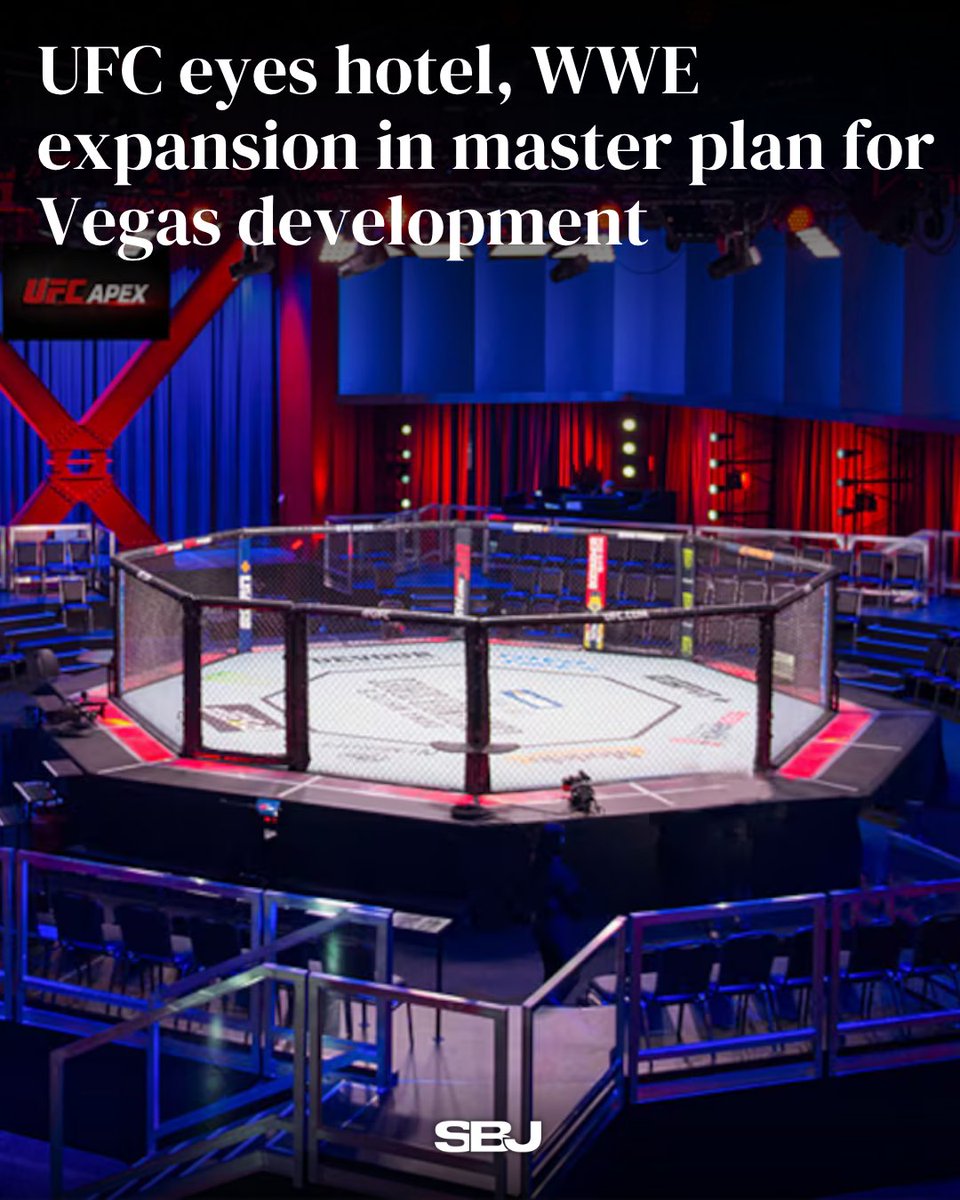
UFC Las Vegas Facilities Plan Raises the Stakes
The UFC Las Vegas facilities plan matters because it is about more than real estate. It could change how the company trains fighters, hosts events, and keeps control of its brand in the city that still functions as its unofficial home base. That matters now because combat sports are getting more polished, more corporate, and more expensive to run. If the UFC wants to stay ahead, it needs space that works like a factory floor and a media hub at the same time.
Look, the promotion already knows how to sell a fight. The harder job is building infrastructure that supports dozens of events, athlete development, production needs, and sponsor demands without creating bottlenecks. That is where a new Las Vegas setup could help. Or it could become another expensive promise that looks better on a render than in real life.
What stands out in the UFC Las Vegas facilities plan
- Control is the theme. A dedicated site gives the UFC more say over training, production, and event flow.
- Las Vegas still makes sense. The city gives the company access to venues, media, tourism, and a deep fight culture.
- Brand value is part of the pitch. Facilities can become part of the UFC story, not just background infrastructure.
- Execution will decide the outcome. Big plans are easy. Daily operations are hard.
The UFC has spent years building an identity around speed, spectacle, and tight control. A more ambitious facility plan in Las Vegas fits that pattern. But the real test is whether the project solves practical problems instead of just adding a shiny address.
Why Las Vegas still matters for the UFC
Las Vegas gives the UFC something most sports organizations chase for years. Density. Venues, hotels, fighters, media crews, sponsors, and regulators all sit within the same orbit. That lowers friction when the promotion wants to stage a fight week on a tight timeline.
It also gives the company a stage that is familiar to fans. A Las Vegas base feels like part of the UFC identity, the way a race team treats its garage or a football club treats its training ground. Same sport, different function. But the logic is similar.
“If the UFC builds facilities that improve training, production, and event operations in one place, it turns Las Vegas from a venue market into an asset.”
That is the real prize. Not just a building. An operating advantage.
What the UFC could use the new facilities for
The value of a UFC Las Vegas facilities plan depends on what gets built inside the walls. If the company is serious, the site should support more than one job. A modern combat sports campus can do several things at once.
- Training space for fighters, coaches, and camp setups.
- Production areas for broadcast, digital content, and interviews.
- Event prep for weigh-ins, medical checks, and logistics.
- Commercial space for sponsors, media partners, and brand activations.
That mix matters because the UFC does not operate like a traditional league. It is closer to a touring business with recurring tentpoles. Every square foot has to earn its keep. Otherwise, the project becomes a cost center with a logo on the front.
Why this is bigger than a building project
The UFC has been pushing deeper into content, live event production, and athlete branding for years. A stronger physical base in Las Vegas would support all three. That is especially useful at a time when combat sports fans expect more than the fight itself. They want access, clips, behind-the-scenes footage, and constant movement.
And that creates pressure. Facilities are no longer just where work happens. They are part of the product. A clean, flexible, well-run complex can make the company look more mature and more stable. A cramped or awkward one can do the opposite.
Think of it like a kitchen in a high-end restaurant. The diners only see the plated meal, but the layout behind the scenes shapes everything. If the burners are in the wrong place, service slows down. Same idea here.
The business case to watch
The UFC likely sees three practical gains from a Las Vegas buildout.
- Lower friction in event week operations.
- More control over content and media production.
- Stronger identity in a city that already markets combat sports well.
That is a tidy argument. But the numbers have to work. Facility projects can get bloated fast, especially when they are meant to serve both sports and media functions. Will the UFC keep the plan lean enough to justify the return? That is the question that actually matters.
What to watch next in the UFC Las Vegas facilities plan
Fans should watch for three things: location, scope, and timeline. Location will tell you how serious the company is about long-term integration with Las Vegas. Scope will show whether this is a training center, a content campus, or a broader operational base. Timeline will reveal whether the project is real momentum or just strategic teasing.
There is also the public image angle. The UFC likes to present itself as a nonstop machine, but even machines need space, upgrades, and room to scale. If this facility plan moves forward, it could become one of the most useful business stories in the sport. Not flashy. Just smart.
What happens if the plan stalls?
Then the UFC stays dependent on a patchwork of venues and temporary setups. That can work, but it keeps the company in a reactive posture. For a brand built on control, that is not ideal.
Maybe the more interesting question is this. If the UFC can build a stronger Las Vegas base, what else will it start to centralize next?