UK Powerball Winner Lands £1M Prize
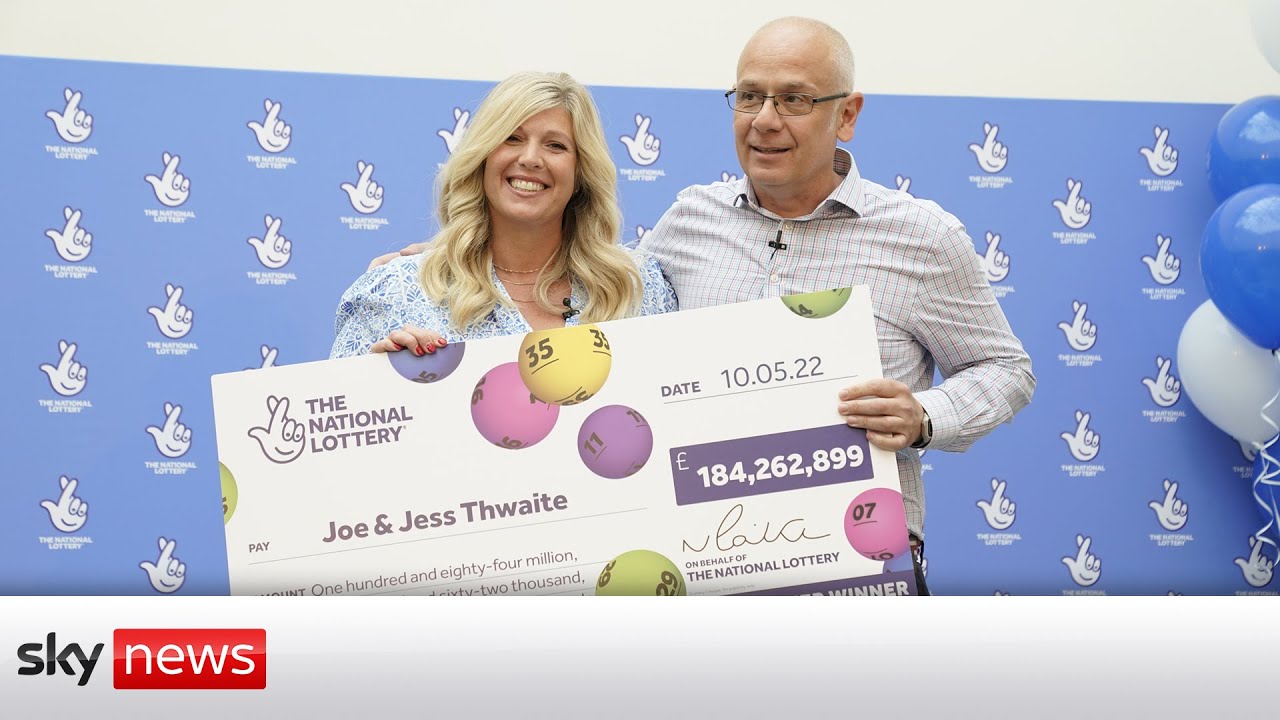
Another UK Powerball winner has landed a £1 million prize, and that will catch the eye of anyone who has ever looked at a giant US jackpot and wondered if it was worth a shot. The win, reported by GamblingNews, matters because British players are not buying official US lottery tickets in the usual sense. They are using lottery betting services that let them bet on the outcome of draws such as Powerball. That difference matters. It changes how prizes are paid, who regulates the product, and what you should check before you play. The headline number is simple. A Brit has won big. The smarter question is this: do you understand the product well enough before you stake your money?
What Stands Out
- A British player won £1 million from a Powerball-related play, according to GamblingNews.
- Powerball is a US lottery, but UK customers can access outcomes through lottery betting operators.
- The model is different from buying an official ticket from a US retailer.
- Players should check licensing, prize terms, and payout rules before entering.
- Huge jackpots create noise, but the odds remain severe.
UK Powerball Winner: What Actually Happened?
GamblingNews reported that another British player has won £1 million thanks to Powerball. The report follows a pattern that has become more visible in recent years: UK players chasing international lottery outcomes through betting-style products.
That wording matters. A UK resident usually cannot walk into a shop in Florida, California, or Texas and buy a Powerball ticket unless they are physically there. Instead, many overseas players access these draws through platforms that either insure prizes or place a bet on the official draw result.
Same numbers, different legal setup.
This is where casual players can get tripped up. The Powerball brand belongs to a US lottery game run across participating states and jurisdictions. A betting operator in Britain or elsewhere may let you predict the result, but it is not the same as holding an official state lottery ticket in your hand.
Big prize stories are good marketing, but the boring details decide whether a win is smooth or painful.
How UK Powerball Betting Works
Powerball itself is simple on the surface. Players pick five main numbers and one Powerball number. Jackpots can reach eye-watering levels because the game is played across a huge US market and rolls over when nobody wins the top prize.
For UK players, the route is usually different. You may see Powerball offered through a lottery betting site, a lottery concierge model, or an operator that covers the value of prizes through insurance. These models are not identical, so you need to know which one you are using.
The three checks before you play
- Check the licence. If you are in Britain, look for clear licensing information and responsible gambling tools. A vague footer is not enough.
- Read the prize terms. Some operators cap payouts, insure only certain prize tiers, or apply different rules for group entries.
- Confirm how winnings are paid. Ask whether the prize is paid as a lump sum, whether currency conversion applies, and what documents you need.
Look, this is not glamorous advice. But it is the difference between playing a regulated product and clicking into a foggy corner of the internet because the jackpot banner looked tasty.
Why the UK Powerball Winner Story Gets Attention
The UK already has the National Lottery, EuroMillions, Set For Life, and a busy betting market. So why does a Powerball win still cut through?
Scale. Powerball jackpots can become massive, especially after rollovers. US media coverage adds oxygen, and social feeds do the rest. Even a secondary prize, such as £1 million, feels close enough to real life to spark interest. It can pay off a mortgage, clear debts, or give someone room to breathe.
But the psychology is doing a lot of work here. A seven-figure winner is memorable. Millions of losing lines are invisible. That imbalance is the oldest trick in gambling media, and I have watched it repeat across lotteries, slots, poker booms, crypto casinos, and sports betting apps.
Would you still play if every losing ticket had its own headline?
UK Powerball Winner Lessons for Players
A win like this is newsworthy, but it should also act as a prompt to sharpen your habits. Lottery products can feel softer than casino games because the stake is often small. That does not make them risk-free.
Here is the practical approach I would use before entering an international draw from the UK:
- Set a fixed budget. Treat it like entertainment spend, not an investment.
- Avoid chasing rollovers. Bigger jackpots do not make your personal odds friendly.
- Keep proof of entry. Save receipts, confirmation emails, and account history.
- Use reputable operators. Search for complaints, payout history, and regulator details.
- Understand tax and ID checks. Prize payment rules can vary by operator and jurisdiction.
Think of it like buying a used car. The shiny paint gets your attention, but the paperwork tells you whether you should hand over the money.
Powerball Odds Are Still Brutal
The part many people skip is the math. Powerball’s top jackpot odds are famously long, listed by the official Powerball site as 1 in 292,201,338 for the jackpot. Smaller prize tiers are more reachable, but they still sit firmly in chance territory.
That does not mean nobody should play. It means you should not confuse a possible win with a likely one. Entertainment is a valid reason to spend a few pounds. Financial planning is not.
This is where operators have a responsibility too. They should promote winners accurately, explain the product clearly, and avoid making international lottery betting look like a shortcut to wealth. The better firms already know this. The weaker ones hide behind sparkle.
Is Playing Powerball from the UK Legal?
The answer depends on how you access it. UK players should use only operators that are properly licensed for the services they offer. The UK Gambling Commission regulates gambling in Great Britain, and its public register lets customers check whether a business holds a licence.
If an operator claims to offer access to Powerball, you should be able to find clear terms explaining whether it is acting as a betting provider, messenger service, syndicate organiser, or another model. If that information is buried, missing, or written in slippery language, move on.
One more point: official lottery rules in the US are not written for overseas online bettors. That is why the contract between you and the operator matters so much. Your claim is usually against the platform you used, not the Powerball organisation itself.
What This Means for the Lottery Betting Market
Stories about a UK Powerball winner are useful for operators because they prove that international lottery products can pay real money. They also raise the stakes for trust. If more British players try these products, more attention will land on licensing, advertising standards, affordability checks, and payout transparency.
I expect that pressure to grow. Regulators have already tightened parts of the wider gambling market, and lottery-style betting will not get a free pass forever if advertising becomes too aggressive or terms confuse customers.
For players, that could be a good thing. Better disclosure would make it easier to compare services and harder for weak operators to coast on jackpot hype.
The Smart Next Move
The latest £1 million Powerball-linked win is a great story for the player and a neat reminder that life-changing prizes do happen. But your next move should be dull and sensible: check the operator, read the rules, set a limit, and assume you will not win.
If the product still feels fun after that, fine. If it only feels exciting because the jackpot number is huge, close the tab and keep your money for something with better odds.