Scranton Treats Gambling Harm as Public Health Issue
Scranton is taking a different path on gambling problems as public health issue. That matters because cities usually deal with gambling harm through police, courts, or one-off treatment referrals. This approach asks a harder question. What happens when you treat the harm early, before debt, family strain, and crisis calls pile up? The shift is small on paper and seismic in practice. It changes who gets involved, how outreach works, and what counts as success. And it may force other cities to face a blunt truth: if gambling is easier to access than help, the system is already tilted.
What Scranton is doing
- It frames gambling harm as a health issue, not only a behavior problem.
- It pushes early intervention instead of waiting for a crisis.
- It brings in more partners, including health groups, counselors, and community leaders.
- It focuses on prevention and education, not just enforcement.
That may sound simple. It is not. Public health systems work best when they look for patterns, risk factors, and repeat exposure. Gambling harm fits that model better than many people admit.
Why the gambling problems as public health issue model matters
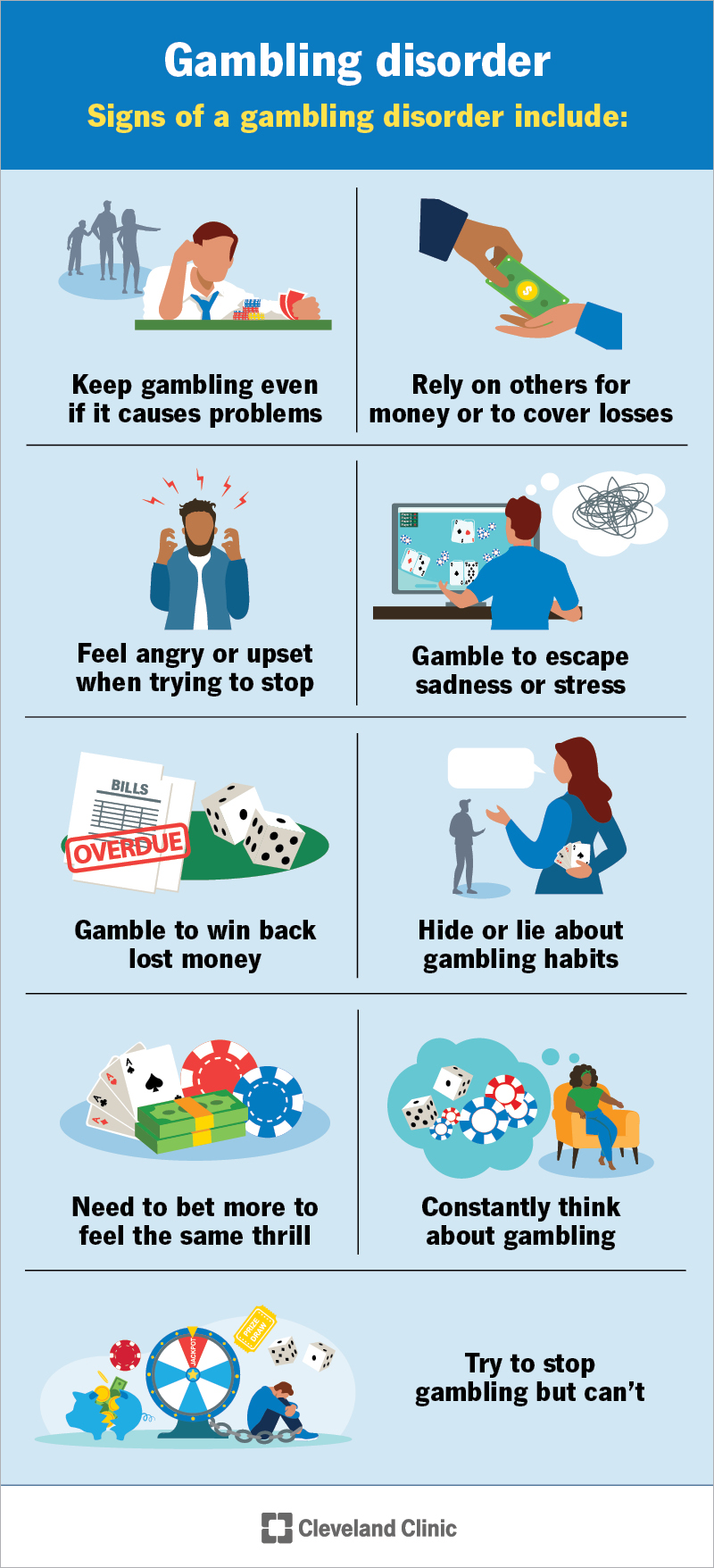
Look, the old model is too narrow. A person can lose savings, miss work, borrow from friends, and still never show up in a courtroom. By then, the damage is already spread across a household.
The public health model treats gambling harm more like alcohol misuse or opioid risk. It looks at access, advertising, stress, isolation, and financial pressure. Why wait for a collapse when you can spot the warning signs earlier?
Public health works when it reduces harm before the bill comes due. Gambling harm is no different.
That is the core idea behind Scranton’s move. It shifts attention from punishment to prevention. It also gives local leaders a cleaner way to measure progress, through referrals, outreach, and reduced crisis use.
What cities can do next
Other cities do not need to copy Scranton line for line. But they can borrow the structure. A good response needs more than a hotline number buried on a website (that is a weak first step anyway).
- Map the risk points. Look at where gambling harm shows up most often, such as low-income neighborhoods, nightlife districts, or online-heavy demographics.
- Train frontline staff. Health workers, social workers, and library staff often see trouble before elected officials do.
- Build referral paths. Make sure counseling, debt help, and peer support are easy to reach.
- Use plain language. People should understand the warning signs without reading a policy memo.
City leaders should also track whether people actually use the services offered. A policy that sounds compassionate but sits unused is just theater.
Where the system usually breaks
The weak point is coordination. Public health departments, treatment providers, and gaming regulators often work in separate lanes. That is like building a stadium with no exits. The structure looks fine until people need to move fast.
Funding is another problem. Outreach costs money, and prevention budgets are usually thin. But treatment after crisis costs more. That is the part officials keep rediscovering the hard way.
Scranton’s move gives other cities a practical test case. If the public health frame leads to earlier help, fewer repeat harms, and better community trust, it will be hard to ignore. If it does not, leaders will need to explain why the older enforcement-first model kept failing. Either way, the next city watching this experiment will have to decide what kind of problem gambling really is.
What this means for the next wave of policy
The bigger question is not whether gambling creates harm. It does. The real question is whether cities are willing to treat that harm with the same seriousness they bring to other public health threats.
Scranton has opened the door. Now the pressure shifts to other local governments, health systems, and regulators. Who follows first?
A new test for local leaders
For city officials, the next step is not a slogan. It is a plan. They need screening, outreach, referral networks, and clear metrics. They also need the nerve to admit that gambling damage rarely stays inside a single wallet.
If Scranton can make that case work on the ground, the ripple effect could be real. Not flashy. Real. And that is the kind of change worth watching.