Betfred Shop Closures Put 300 Jobs at Risk
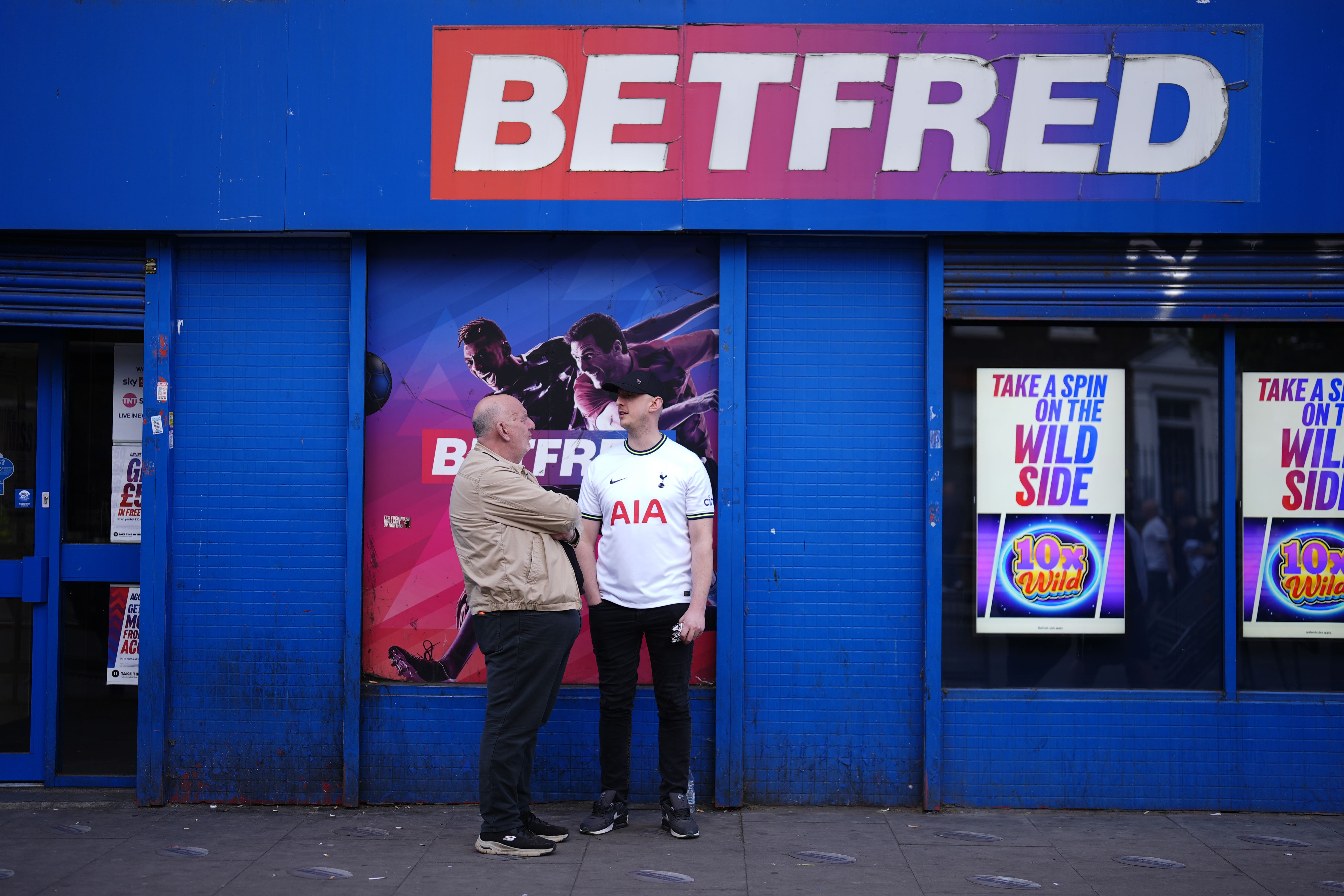
Betfred’s decision to close 132 betting shops is a blunt reminder that retail betting is still under pressure. If you work in the sector, sell into it, or track UK gambling regulation, the mainKeyword here is simple: Betfred shop closures. The company says the move will affect hundreds of jobs, and that is not a small restructure. It is a sign that the economics of high-street betting are getting tighter by the month.
Rising costs, weaker footfall, and a harsher trading climate are squeezing operators from both sides. And when a chain this size cuts so deeply, the impact reaches beyond one company. It lands on staff, landlords, local councils, and the wider debate about what betting shops are still for in 2025. So what is really driving the cuts, and what does it tell you about the state of retail betting?
What the Betfred shop closures mean
- 132 shops are due to close, with around 300 jobs reported at risk.
- The move adds to the long slide in UK betting shop numbers.
- It reflects pressure from costs, regulation, and changing customer habits.
- Retail betting now looks more like a survival test than a growth channel.
Why Betfred shop closures are happening now
Betfred has not pulled this move out of nowhere. Betting shops have faced years of structural decline, and the hit has come from several directions at once. Customers now bet on their phones, not at the counter. Energy bills remain high. Wages have risen. Rent is still rent.
But the deeper issue is demand. A betting shop used to be a daily habit for many punters. That habit has weakened. Online operators offer speed, promos, and convenience. A high street shop has to fight for every visit, every stake, every repeat customer. That is a rough pitch.
Retail betting is starting to look like a fixed-seating venue in a streaming age. The product still exists, but the audience has changed its routine.
Look at the pattern across the market and the Betfred shop closures make sense. Operators are trimming low-margin sites, especially where footfall no longer justifies the overhead. That is not a trend line you reverse with a poster in the window.
How this hits staff and local communities
The immediate pain is obvious. Shop staff face redundancy, reduced hours, or transfers to other locations. For many workers, betting shops are local jobs with set shifts and steady pay. Losing that matters, especially in towns where retail options are already thin.
There is also the community angle. In some areas, the betting shop is one of the last remaining high-street businesses with long opening hours. Close enough of them and the street changes character fast. Empty units follow. So do weaker evening trade patterns for nearby stores.
But this is not just a story about empty shop fronts. It is also about where gambling activity is moving. Less retail does not mean less betting. It means more of it shifts online, where the operator can track spending more closely and cut overhead in one move.
What workers should watch next
- Ask whether your shop is on the closure list or part of a wider review.
- Check transfer options early, not after the notice lands.
- Get clarity on redundancy terms and timelines.
- Document shifts, hours, and any changes to pay or responsibilities.
What Betfred shop closures say about the wider market
Betfred is not alone. UK retail betting has been under strain for years, and the numbers keep pointing the same way. According to the Betting and Gaming Council, shop estates across the sector have been shrinking as online play takes more of the market. That is not a surprise anymore. It is the baseline.
For operators, the choice is brutal but straightforward. Keep open underperforming shops and absorb the losses, or cut hard and protect the balance sheet. Betfred has picked the second path. Many would. The question is how many more will have to.
There is a policy angle here too. If tax, regulation, and business costs keep climbing, more closures follow. That means fewer local jobs and less high-street presence, while betting activity itself does not disappear. It just migrates. Fast.
What happens next for the betting sector?
The next phase will likely be more consolidation. Chains will close weak sites, renegotiate leases where they can, and push harder on digital channels. Some shops may survive as mixed-use betting and gaming outlets. Others will not. The retail model is being pared back, one postcode at a time.
For landlords and local councils, that means more vacancy risk. For regulators, it raises a harder question. If retail shops keep shrinking, how do you monitor consumer harm in a market that is becoming more digital and less visible?
And for you, if you follow this sector, the real signal is not the headline closure figure. It is the pace. If Betfred can cut 132 shops now, who blinks next?
A market under strain
Betfred shop closures are not an isolated cost cut. They are a warning shot. The UK betting shop model is thinner, weaker, and more exposed than many executives admit in public. The next round of closures may come from a different operator, but the logic will be the same.
Watch the estates, watch the lease breaks, and watch the jobs numbers. That is where the real story is heading.