PredictStreet Faces Scrutiny Over FIFA Prediction Market Launch
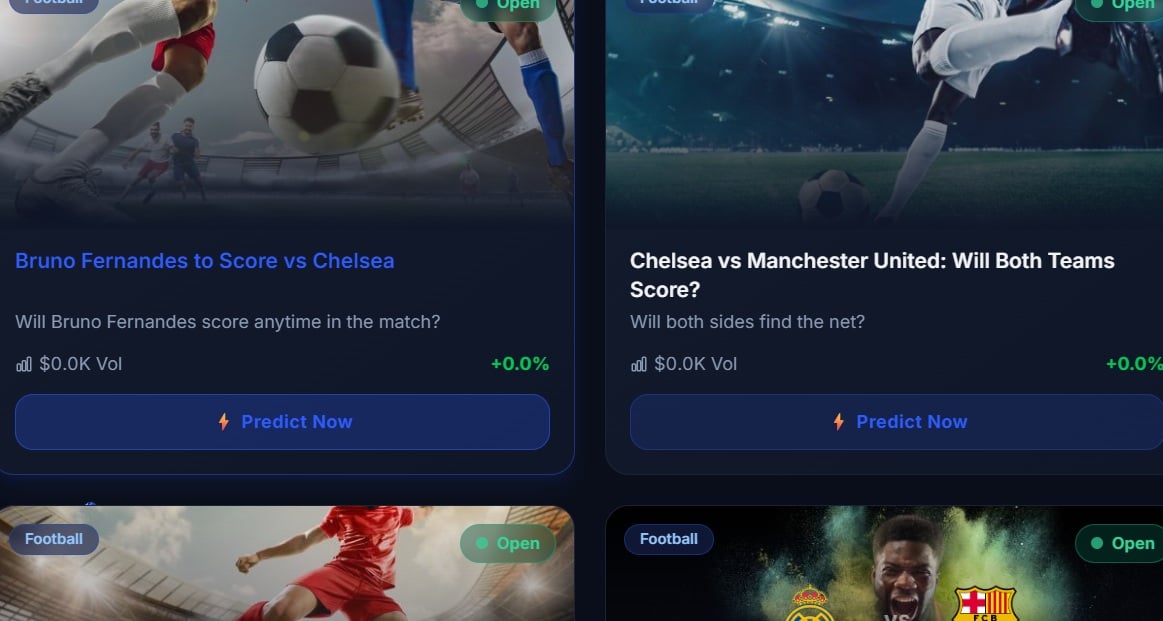
PredictStreet’s new role as FIFA’s prediction market partner is drawing attention for the wrong reason. The partnership sounds polished, but the real test is whether the company can prove its license, define its launch scope, and avoid a rollout that creates more questions than answers. Prediction markets can look like betting in one market and like trading in another, so the paperwork matters as much as the product.
For FIFA, that is not a side issue. A weak compliance story can move faster than any launch campaign, especially when the brand is global and the audience is already watching. Fans do not care about internal structure charts. They care about whether the market is legal, clear, and live when promised. Can PredictStreet turn a headline into a credible launch? That is the question now.
What matters now
- License clarity: The first question is where PredictStreet can operate and under what permissions.
- Launch timing: Announcements are easy. A clean, usable product is harder.
- FIFA risk: A sports giant can inherit reputational drag even if it is not the operator.
- User trust: Fans will not back a market that feels provisional or half explained.
Why PredictStreet’s license is the big issue
Prediction markets sit in a tricky space. One regulator may look at them as financial products. Another may treat them as gambling products. That split is why a license is not a formality. It is the thing that decides whether the launch feels stable or improvised. The market wants speed, but speed without a clean license invites trouble (and not the kind a PR team can soften).
That is the real pressure point.
It is a bit like opening a restaurant before the health inspector signs off. The tables can be set, the menu can be printed, and the lights can be on. But until the core approval is in place, the room still feels unfinished. PredictStreet needs to make the approval path visible, not vague.
People rarely remember the announcement language. They remember whether the first market opens cleanly and stays open.
What PredictStreet needs to prove at launch
A launch like this needs more than a splashy press release. It needs a plain explanation of scope, geography, age checks, and whether the product is tied to a specific license category. If the company expects users to trust the market, it has to show the guardrails first. That is basic, not optional.
- State the license basis and the exact activity it covers.
- Show the launch markets so users know where the product is live.
- Explain the controls for verification, settlement, and dispute handling.
- Set a public timeline that does not depend on vague regulatory language.
Without those details, a launch looks less like a product release and more like a test run. That may be fine internally. It is not fine when a global sports brand is attached to it.
Why FIFA cannot treat this as a normal partnership
FIFA is not buying a small logo placement. It is attaching its name to a product category that still makes regulators squint. That means every unanswered question lands twice. First on PredictStreet. Then on FIFA. The brand risk is obvious.
And if the launch stumbles, the damage will not stay in one market. International sports brands carry a long memory, and fans do too. When a partnership is framed as innovation, any delay or licensing gap can make it look less like ambition and more like haste.
- Global audiences notice launch delays.
- Regulators notice category mismatches.
- Competing operators notice weak messaging.
What happens next for PredictStreet
The next move is not more hype. It is specificity. PredictStreet needs to say what the product is, where it can run, and why the license story matches the launch story. If it can do that, the partnership starts to look disciplined. If it cannot, the scrutiny will not fade just because the marketing calendar says it should.
FIFA is betting that this category can feel normal to mainstream fans. That is a big claim. And in a market this sensitive, big claims need clean paperwork. Otherwise the launch becomes a compliance story, not a growth story. What happens if those terms are not ready on day one, and the spotlight is already on?