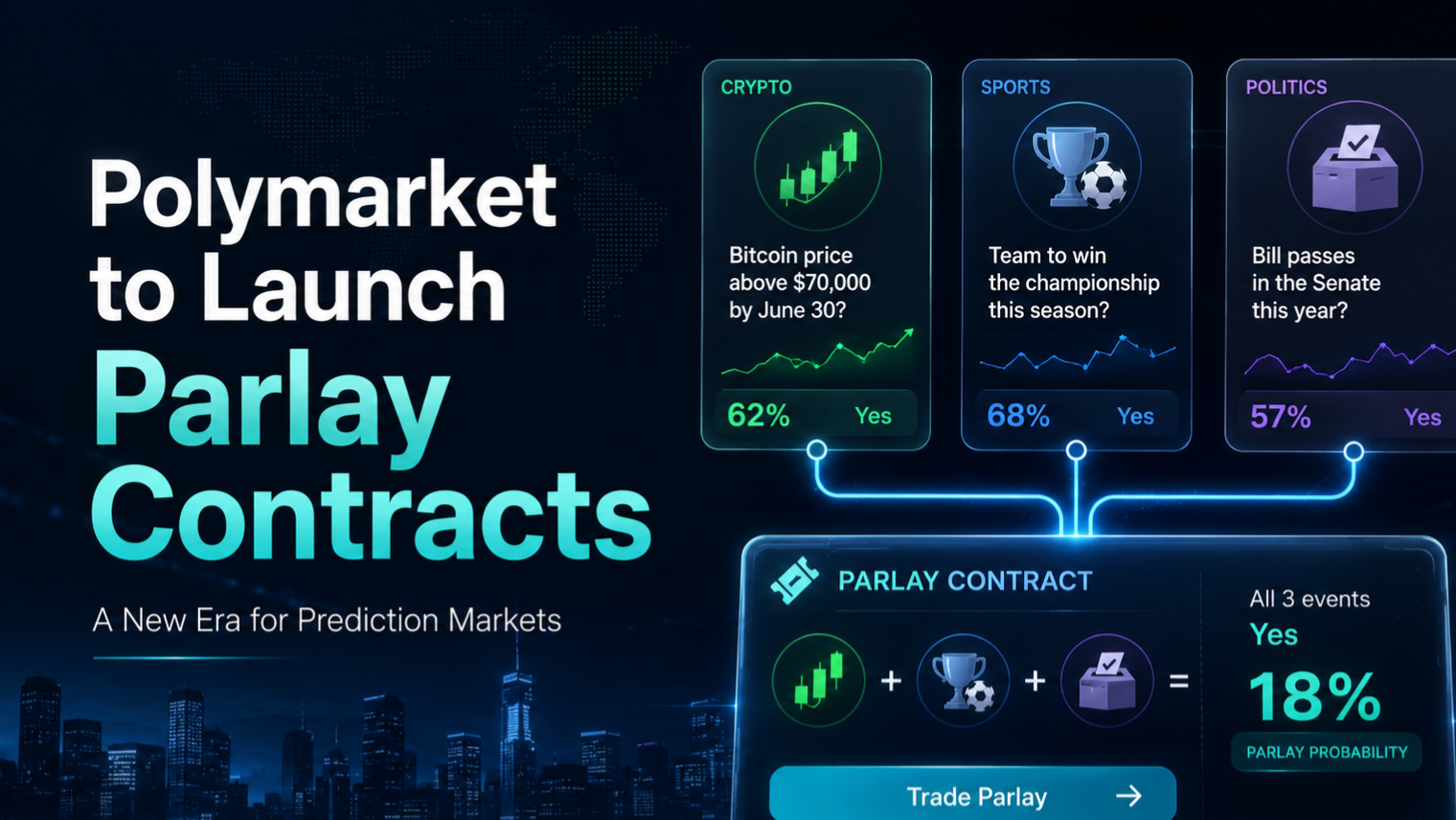
Polymarket US Beta Tests Parlay Contracts
Prediction markets keep pushing into casino-style territory, and that creates a real problem for users. You want fast, simple bets, but you also want to know what you are actually pricing in. The new Polymarket parlay contracts beta is a good example of that tension. It mixes event-based prediction with the same kind of multi-leg structure you see in sportsbook parlays, which can make outcomes more exciting and much harder to read.
That matters now because product design is moving faster than user habits. People who have used Polymarket for single-event trading may not immediately grasp how a bundled contract changes risk, payout shape, and execution. And regulators are paying attention. The details here are small on the surface, but they point to a bigger shift in how prediction platforms package speculation.
Look, this is not just a new button in a menu. It is a test of whether users want cleaner bets or more complex ones.
What stands out in Polymarket parlay contracts
- Parlays raise the stakes fast. One miss can wipe out the whole ticket.
- They increase product stickiness. Bundled trades can keep users engaged longer.
- They add pricing complexity. Each leg changes the true odds of the full contract.
- They blur lines between markets and betting. That invites scrutiny from watchdogs and rivals.
The core idea is simple. A parlay contract combines multiple outcomes into one position, and the position only pays if every leg resolves the right way. That can feel familiar to sportsbook users, but prediction markets work differently underneath. Pricing, liquidity, and resolution rules all matter. Miss one detail and your expected value can fall apart.
Why Polymarket parlay contracts matter for users
If you trade on prediction markets, you already know that single-event contracts are easier to model. Parlays make that harder. You are no longer asking, “Will this happen?” You are asking, “Will all of this happen together?”
That is a very different wager. It is like building a chair out of four legs and assuming each one will hold the same way. One weak piece, and the whole thing tips.
The appeal is obvious. Higher payouts can attract casual users. The catch is just as obvious. Bundling outcomes usually shifts the edge toward the house, or at least toward the platform that controls the product rules.
For Polymarket, the beta is useful for another reason. It reveals how much demand exists for sports-betting-style structure inside a prediction market. If users adopt it quickly, expect more hybrid products. If they ignore it, the feature may stay niche.
Polymarket parlay contracts and the business model question
Why add parlay contracts at all? Because bundled bets can lift volume. They also make the product feel more active, which is useful when platforms compete for attention in a crowded market.
But there is a tradeoff. More complex contracts can invite confusion, and confusion is bad for trust. The platform needs users to understand what they are buying. Otherwise, complaints will follow. Fast.
There is also a wider strategic angle. Prediction markets have spent years arguing that they are information tools, not just betting products. Parlays nudge the category toward entertainment. That may help growth, but it also muddies the pitch.
What to watch during beta
- Pricing behavior. Do the bundled odds look fair, or do they widen quickly?
- User adoption. Are traders actually building parlays, or just browsing?
- Resolution clarity. Are the rules easy to follow when one leg settles early?
- Liquidity impact. Does the feature drain activity from single markets?
And yes, the compliance angle matters. A product that behaves more like a sportsbook can attract a different level of regulatory attention than a plain yes-or-no market. That does not mean trouble is guaranteed. It means the company has to be sharper about how it frames the feature and where it offers it.
What users should do before testing the feature
Before you touch a parlay contract, slow down and read the math. Check each leg. Check the payout structure. Check whether the contract prices reflect the combined risk or just feel attractive because the headline number is large.
Here is a simple way to approach it:
- Start with one or two legs, not a long chain.
- Compare the implied probability with the payout.
- Ask whether each event is truly independent.
- Watch for hidden friction in fees or spreads.
Honestly, that last point is where many users get burned. The eye goes straight to the potential return. The brain should go to the failure rate.
The beta phase should tell us whether Polymarket can make parlay contracts feel intuitive without flattening the logic that makes prediction markets useful. Can it do both? That is the real test, and the answer will shape what comes next for the whole category.
A small feature with a bigger signal
Polymarket US is not just experimenting with a new bet type. It is testing whether prediction markets can borrow sportsbook habits without losing their identity. That is a tricky line to walk, and it may define the next phase of product competition.
If the beta works, expect more bundled contracts, more imitation, and more debate about where speculation ends and gaming begins. If it fails, the lesson will be plain. Users may like simple markets more than platforms want to admit.