AI Sports Betting Trading Faces Its World Cup Test
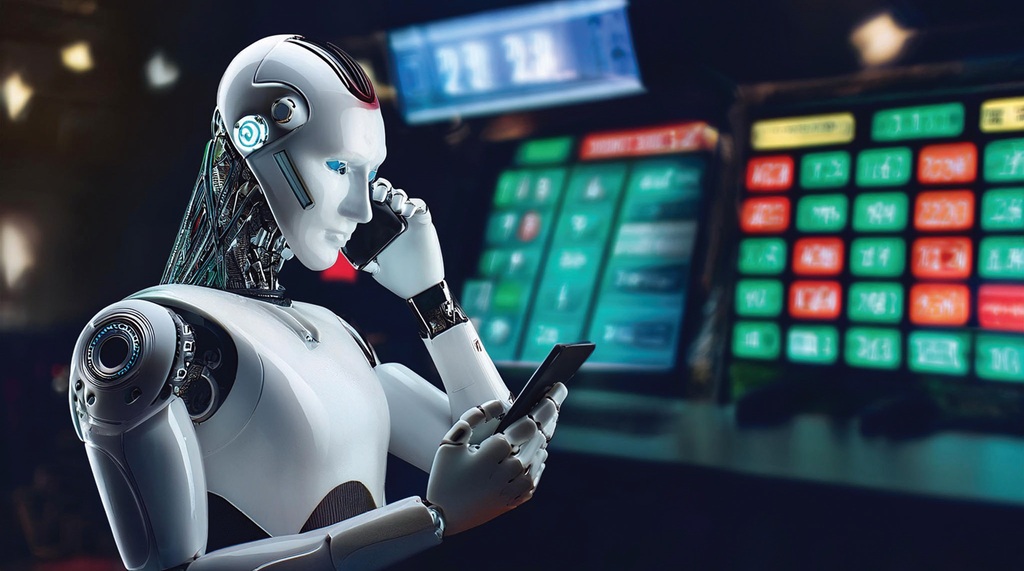
Sportsbook operators have a hard problem coming fast. The 2026 FIFA World Cup will be bigger, busier, and harder to trade than any version before it, with 48 teams and 104 matches across the United States, Canada, and Mexico. That is why AI sports betting trading is moving from vendor pitch deck to live operational issue. Kambi, according to iGaming Business, is preparing for what it describes as the first fully AI-powered FIFA World Cup. The claim deserves attention, and a little pressure testing. If the technology works, operators get faster pricing, broader markets, and lower manual strain during the most watched betting event in football. If it misfires, errors will spread at match speed.
What matters now
- Kambi is positioning AI-led football trading as a core part of its World Cup 2026 sportsbook offer.
- The expanded tournament creates more fixtures, more in-play moments, and more pricing pressure for trading teams.
- Human traders are not disappearing. Their role shifts toward supervision, exceptions, model control, and risk calls.
- Operators should ask hard questions about explainability, liability, latency, and market suspension rules.
Why AI sports betting trading is being tested at the World Cup
The World Cup is a brutal test for any sportsbook trading stack because demand spikes across pre-match, live betting, player props, and bet builders at the same time. A group-stage match involving a heavy favorite can still produce huge turnover if the audience is global and the kickoff time suits multiple regions.
The 2026 format raises the load again. More teams means more matches, more uneven team data, and more cases where a pricing model must deal with national sides that do not play together often. Club football data is dense. International football is patchier, and that matters.
For operators, the real question is not whether AI can price a match. It is whether AI can price thousands of connected decisions under pressure without creating ugly risk pockets.
Kambi has spent years selling itself on trading depth, risk management, and sportsbook infrastructure. Its World Cup AI push is a statement that the supplier thinks automation can now handle a tournament that used to demand armies of human traders.
What Kambi means by a fully AI-powered World Cup
“Fully AI-powered” is a strong phrase, so it needs careful reading. In practice, it is likely to mean AI models taking on more of the pricing and trading workflow across football markets, while human teams monitor output, manage edge cases, and intervene when the model sees something strange.
That distinction matters. A sportsbook is not a self-driving car on an empty road. It is closer to a busy restaurant kitchen during a final, where the prep work, timing, and station control decide whether service holds together. The chef still matters, even if half the equipment is automated.
That is the seismic change.
Instead of manually adjusting every market, traders become model supervisors. They look for bad inputs, stale data, suspicious betting patterns, news shocks, and correlation risk across related markets. Did a star player pull up in warmups? Did a red card break the live model? Did a local market overreact to a rumor?
Where AI sports betting trading can help operators
The strongest case for AI is not cost cutting, although finance teams will notice that part. The stronger case is coverage. AI can support more markets, faster updates, and deeper in-play betting without forcing a trader to touch every price by hand.
- Faster in-play pricing: Football live betting depends on quick changes after goals, cards, penalties, substitutions, and momentum shifts. Slow pricing gives sharp bettors time to attack stale lines.
- More market depth: AI can support niche markets that are hard to staff manually, including player shots, assists, passing, team totals, and micro-markets.
- Better scaling during spikes: Major tournaments create sudden betting waves. Automation can keep markets available when manual desks would normally suspend more often.
- Consistent risk signals: Models can flag exposure across connected outcomes, such as match winner, handicap, total goals, and same-game combinations.
Here’s the thing. Availability sells. Bettors hate locked markets, especially in live football, and operators lose handle when suspension logic gets too cautious. If Kambi can keep more markets open without taking reckless positions, clients will care.
The trader’s job does not vanish
Anyone claiming AI removes the need for trading judgment is getting ahead of the evidence. Football has too many messy inputs. Weather, pitch quality, team motivation, tournament incentives, referee tendencies, and late injury news can all distort a clean model.
Good traders will become more valuable, not less, if they can read model behavior and spot weak assumptions. The job moves away from repetitive price maintenance and toward intervention design. What should trigger a halt? Which feeds are trusted? How much exposure can sit on one model’s output before a human signs off?
Operators should also care about audit trails. If an AI-driven price goes wrong, the risk team needs to know why. A vague answer will not satisfy a board, a regulator, or a major operator that just wore a seven-figure liability on a player prop.
AI sports betting trading still has hard limits
The hype around AI in betting often skips the dull part, and the dull part is where the money leaks. Models need clean data, stable feeds, sensible guardrails, and a clear escalation path. Without those, automation becomes a faster way to make the same old mistakes.
- Data quality: Bad event data can poison live prices in seconds.
- Latency: A model that reacts late is an invitation to courtsiders and automated betting groups.
- Correlation: Bet builders can create hidden exposure when related legs are priced too generously.
- Explainability: Regulators and partners may ask how decisions were made, especially after disputes.
- Localization: World Cup betting behavior varies by market, currency, channel, and local team interest.
Can a supplier prove it has solved all of that before the opening match? Maybe. But operators should demand testing evidence rather than accept the branding. A demo is not the same as a Saturday night trading room with a goal, a VAR check, and half the market trying to beat the suspension.
What operators should ask Kambi and any AI sportsbook vendor
Kambi’s World Cup plan will push competitors to sharpen their own AI story. That is healthy, as long as buyers ask better questions. Sportsbook technology procurement has punished vague promises before.
Start with control. Operators should know which markets are fully model-led, which markets are hybrid, and which markets still depend on manual intervention. They should also ask how quickly a human can override the model, and whether that override applies by market, fixture, competition, or customer segment.
- What data feeds train and power the football models?
- How are abnormal betting patterns separated from legitimate public demand?
- What happens when feed providers disagree on an event?
- How are bet builder correlations tested before launch?
- Which model decisions are logged for dispute handling and regulatory review?
- What loss limits trigger manual review during major matches?
These are not gotcha questions. They are basic operating questions for a tournament that will carry enormous betting volume. The best vendors will welcome them because strong process is part of the product.
The betting product will change for customers
Bettors may not care whether a price comes from a human trader, a model, or both. They will notice if markets stay open longer, if props appear faster, and if live prices feel fair after major match events. They will also notice errors, especially if those errors lead to voids or restricted payouts.
The likely short-term effect is more choice. Expect operators using advanced trading systems to promote deeper same-game parlays, more player markets, and sharper live football experiences around World Cup matches. The risk is overreach. Too many low-quality markets can make a sportsbook feel noisy, and bad pricing can damage trust fast.
Honestly, the smartest operators will not market this as “AI” to customers. They will market speed, depth, and reliability. The machinery should stay backstage.
The next test is trust
Kambi’s AI World Cup ambition is a marker for where sports betting is heading. Trading desks will become more automated, and major tournaments will be the proving ground because the pressure is too large to fake. Still, the winners will not be the suppliers with the loudest AI label. They will be the ones that can show cleaner uptime, tighter risk controls, and fewer customer disputes when the tournament gets chaotic.
Operators should use the months before 2026 to run side-by-side tests, stress the models, and decide where human sign-off remains non-negotiable. If AI is going to price the biggest football event on earth, the industry should make it earn the whistle.