Binance Square Crypto Signals: Read Before You Trade
You see a fast-moving post on Binance Square, a coin name, a chart, and a confident call. The problem is simple. Should you act on it, ignore it, or use it as one small clue? Binance Square crypto signals can help you spot market chatter early, but they can also push you toward lazy trades if you treat them as instructions. That matters now because crypto markets move on thin liquidity, influencer attention, exchange listings, funding rates, and macro data. A single post can feel urgent, especially when prices are already jumping. I have covered enough crypto cycles to know the pattern. The louder the call, the more careful you need to be. Use social trading posts as raw material, then test them against price action, volume, and your own risk limits.
What to check first
- Confirm the claim. Check whether the post points to data, news, or only opinion.
- Review the chart context. A breakout on a 5-minute chart can mean little on the daily chart.
- Watch liquidity. Thin books can make small moves look stronger than they are.
- Set risk before entry. Decide your invalidation level before buying.
- Separate signal from noise. Engagement does not equal accuracy.
How Binance Square crypto signals should be read
Binance Square is a social content feed tied to one of the largest crypto brands in the market. That gives posts reach, but reach does not make a trade idea reliable. Treat each post like a tip from a sharp stranger at a poker table. It might be useful, but you still count your own cards.
The first question is plain. What is the post actually saying? Some posts share market news. Some offer technical analysis. Others are little more than momentum bait with a ticker symbol and a rocket tone. The useful ones state a thesis, a time frame, and a level that proves the idea wrong.
A trade idea without an invalidation level is not a signal. It is a guess with formatting.
Look for specifics. If a post claims a token is breaking out, compare the price with recent resistance. Check spot volume, derivatives open interest, and whether the move is happening across several exchanges. If the idea rests on a partnership, listing rumor, token burn, or airdrop, verify it through the project account, exchange notices, or a primary announcement.
Why Binance Square crypto signals can mislead smart traders
Smart traders still get pulled into bad entries. Why? Social feeds reward speed and confidence. Markets punish both when they are detached from evidence.
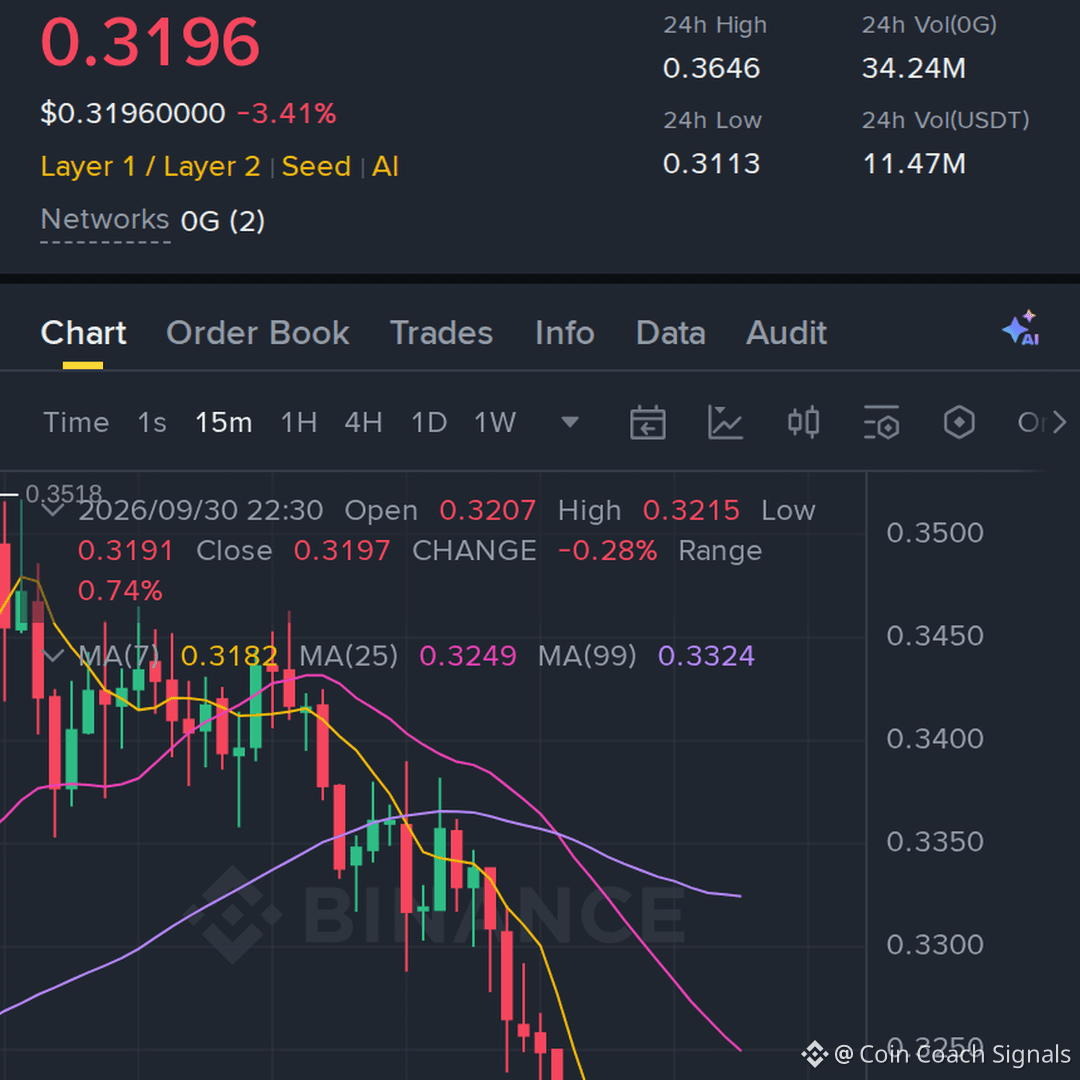
One common trap is the screenshot effect. A clean chart image can hide the time frame, liquidity, wick behavior, and failed prior moves. Another trap is survivorship. You see the calls that worked because people repost them. The failed ideas vanish into the scroll.
And then there is timing.
A post can be directionally right and still cost you money if you enter after the move. Buying a 20 percent pump because someone called it early is like joining a football match in the 89th minute and expecting to score the winner. Possible? Sure. Sensible as a routine? No.
Check the poster before the post
Before you judge the call, judge the source. Does the author explain past mistakes, or only pin victories? Do they disclose if they hold the asset? Are they discussing market structure, or chasing whatever token is trending?
This does not mean anonymous posters are useless. Crypto has always had sharp anonymous analysts. But you need a higher bar. A useful poster leaves a paper trail of reasoning, not only predictions.
A Binance Square crypto signals checklist for safer decisions
Here is the process I would use before taking any trade idea from Binance Square or a similar social platform. It is boring by design. Boring keeps accounts alive.
- Identify the asset and market. Spot, futures, margin, and options carry different risk.
- Write the thesis in one sentence. If you cannot explain it, do not trade it.
- Match the time frame. A scalp signal should not become a long-term bag by accident.
- Check volume and liquidity. A candle with weak volume deserves suspicion.
- Find invalidation. Choose the price level that tells you the idea failed.
- Size the position. Risk a fixed amount, not whatever your mood suggests.
- Plan the exit. Pick profit zones before the chart starts moving against your judgment.
Look, none of this makes trading easy. It only removes the worst habits. The best traders I have interviewed tend to sound less certain than the loudest accounts online, and that humility is not an accident.
What data to pair with a social crypto post
A social post is one input. Pair it with data that can either support or weaken the claim. For large-cap assets such as Bitcoin, Ethereum, BNB, Solana, or XRP, start with the broader market trend. If Bitcoin is losing a major support level, a bullish altcoin signal needs extra proof.
For smaller tokens, check market depth. A coin can show a sharp gain because the order book is thin, not because real demand has arrived. Funding rates can also help. If perpetual futures funding is stretched, late longs may already be crowded.
- Price structure: higher highs, lower lows, support, resistance, failed breakouts.
- Spot volume: stronger moves usually need visible participation.
- Open interest: rising open interest can show new leverage entering the trade.
- Funding rates: extreme rates may flag crowded positioning.
- News source: official project channels, exchange announcements, filings, or verified company posts.
Use CoinMarketCap, CoinGecko, TradingView, exchange order books, and official project pages as cross-checks. For macro context, traders often watch Federal Reserve decisions, U.S. inflation data, ETF flows, and dollar strength. That does not mean every meme coin trade needs a macro thesis, but the wider market sets the weather.
Risk rules that keep you from becoming exit liquidity
The harsh truth is that many social signals reach you after early buyers already have profit. Your job is to avoid becoming their exit. That starts with position sizing.
Never let one post decide a full allocation. If you like the idea, scale in only after confirmation, or wait for a retest. Missed trades are annoying. Forced trades are expensive.
Use a simple risk rule. If your account is $5,000 and you choose to risk 1 percent, your maximum loss on the trade is $50. If the stop is 5 percent away, your position size should fit that loss limit. This basic math beats almost every emotional entry.
Also watch your own behavior. If you feel rushed, you are probably being sold urgency. If you are searching for more posts to justify an entry, you already know the trade is weak.
The right way to use Binance Square posts
Binance Square can be useful for idea generation, sentiment checks, and spotting narratives early. It is less useful as a command center. The difference matters.
Think of it like a newsroom tip line. A tip can lead to a real story, but no serious editor publishes without verification. Apply the same standard to your trades. Confirm, size, and document the decision.
Keep a simple trading journal with four fields. What did the post claim? What data confirmed it? Where was the invalidation level? What happened after entry? After 20 trades, patterns will show up. You may learn that certain authors help you find setups, or that you perform worse whenever you chase posts with high engagement.
What I would do next
If you use Binance Square crypto signals, build a personal filter before your next trade. Pick three data checks you will not skip, set a fixed risk limit, and ignore any post that gives you no time frame or invalidation level. Crypto rewards speed sometimes, but it rewards discipline for longer. The next question is the one that saves money. Is this a trade, or just a post that made you feel late?