Pennsylvania Report Targets In-Game Betting to Curb Gambling Harm
Pennsylvania lawmakers and regulators are staring at a tough tradeoff. A new report argues that in-game betting can fuel compulsive gambling behavior, and that means the state may need to rethink one of sports betting’s most profitable features. If you bet live, or run products built around live action, this matters now because the fastest bets are often the hardest to control. The pace is relentless. The choices stack up in seconds. And for people already at risk, that speed can turn a casual wager into a problem before they notice what happened.
Look, this is not a debate about whether live betting is popular. It is. The real question is whether the current product design makes harm easier to trigger. That is a non-negotiable policy issue, not a branding exercise.
What the Pennsylvania report says about in-game betting
The report, covered by Legal Sports Report, recommends ending in-game betting as part of a broader effort to reduce gambling addiction. The logic is straightforward. Live wagering compresses decision-making into a tiny window, which can push people to chase losses or keep betting after they planned to stop.
That point lines up with what public health researchers have warned for years. Faster betting products create more opportunities for repeat play, and repeat play is where risk grows. Think of it like putting a racecar engine in a city car. Sure, it moves. But it also asks more of the driver than the road can safely handle.
“Speed matters in gambling harm.” That is the core idea behind the report. The faster the cycle between impulse, wager, and result, the harder it is for some players to slow down.
Why in-game betting worries addiction experts
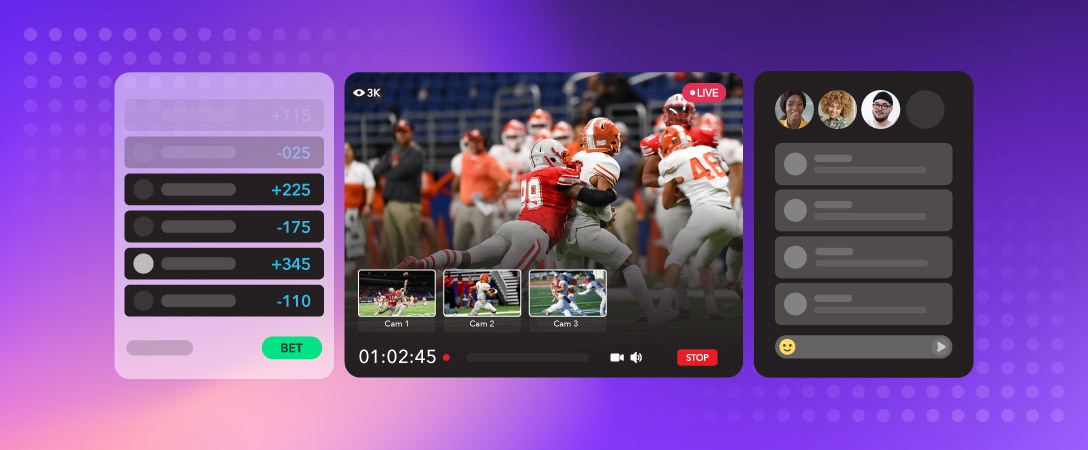
Not every bettor is vulnerable in the same way. But live betting changes the structure of the experience, and structure shapes behavior. You do not need to wait for the next game. You can bet on the next pitch, the next possession, or the next point.
That creates a problem for anyone trying to set limits. A person can tell themselves they will stop after one bet, then get pulled into ten more decisions in the same event. Why is that a bigger risk than pregame betting? Because the product keeps presenting fresh chances to react, and each one feels small enough to justify.
The practical risk for players
- More betting decisions in less time.
- More chances to chase losses.
- Less time to reflect before placing the next wager.
- Harder for self-exclusion tools to interrupt the flow.
That does not mean every live bettor develops a problem. It does mean the product design can magnify risk for people who already struggle with control.
This is the uncomfortable part. The industry has spent years selling live betting as convenience. Regulators are now being asked to look at that same convenience as a possible hazard.
Could Pennsylvania actually restrict in-game betting?
The report is a policy proposal, not a law. That distinction matters. Pennsylvania would need to weigh public health goals against tax revenue, operator pushback, and the practical challenge of enforcement. Live betting is deeply embedded in modern sportsbook platforms, so pulling it back would not be a small edit. It would be a structural change.
Operators are likely to argue that adults should be free to choose how they bet. Fair enough. But regulators are not required to treat every product feature as harmless just because it is legal. Seat belts exist for a reason. So do speed limits. Nobody calls them a ban on driving.
For sportsbooks, the bigger question is whether a narrower product could satisfy the state without crushing engagement. Some jurisdictions have leaned toward limits on bet types, timing, or marketing instead of a full ban. Pennsylvania may end up there too, if lawmakers decide total elimination is too blunt.
What this means for sportsbooks and affiliates
If Pennsylvania moves even partway toward restricting live betting, sportsbooks will need to adjust pricing, product menus, and responsible gambling messaging. Affiliates will feel it too, especially sites built around live odds, prop bet coverage, and real-time betting angles.
- Review Pennsylvania-specific content for live betting language.
- Watch for changes in approved bet markets and timing rules.
- Update responsible gambling copy so it is clear and practical.
- Track whether similar proposals appear in other states.
And do not assume this stays local. States copy each other when a policy gets traction. If Pennsylvania moves first, other regulators will watch closely.
That is the real signal here. Not just one report, but a growing comfort with asking whether product speed should be part of the public health conversation.
Why this debate will not go away
Sports betting has already gone through one cycle of expansion, and now it is entering a harder phase. The easy money story is gone. What is left are questions about design, risk, and responsibility. In-game betting sits right at the center of that fight because it is both lucrative and volatile.
For readers, the takeaway is simple. If you bet live, know how fast the tempo can change your judgment. If you run a sportsbook, expect more scrutiny, not less. And if you are a policymaker, ask the blunt question: should a product built for constant reaction be treated like any other wager?
What happens next for Pennsylvania in-game betting?
The next move depends on whether lawmakers see this as a narrow harm-reduction tweak or the start of a larger reset. Either way, the conversation is no longer theoretical. The state has a report on the table, and that makes the next decision harder to dodge.
Watch the response from operators, addiction advocates, and neighboring states. If the push grows, Pennsylvania could become the test case that changes how live wagering is sold across the country.