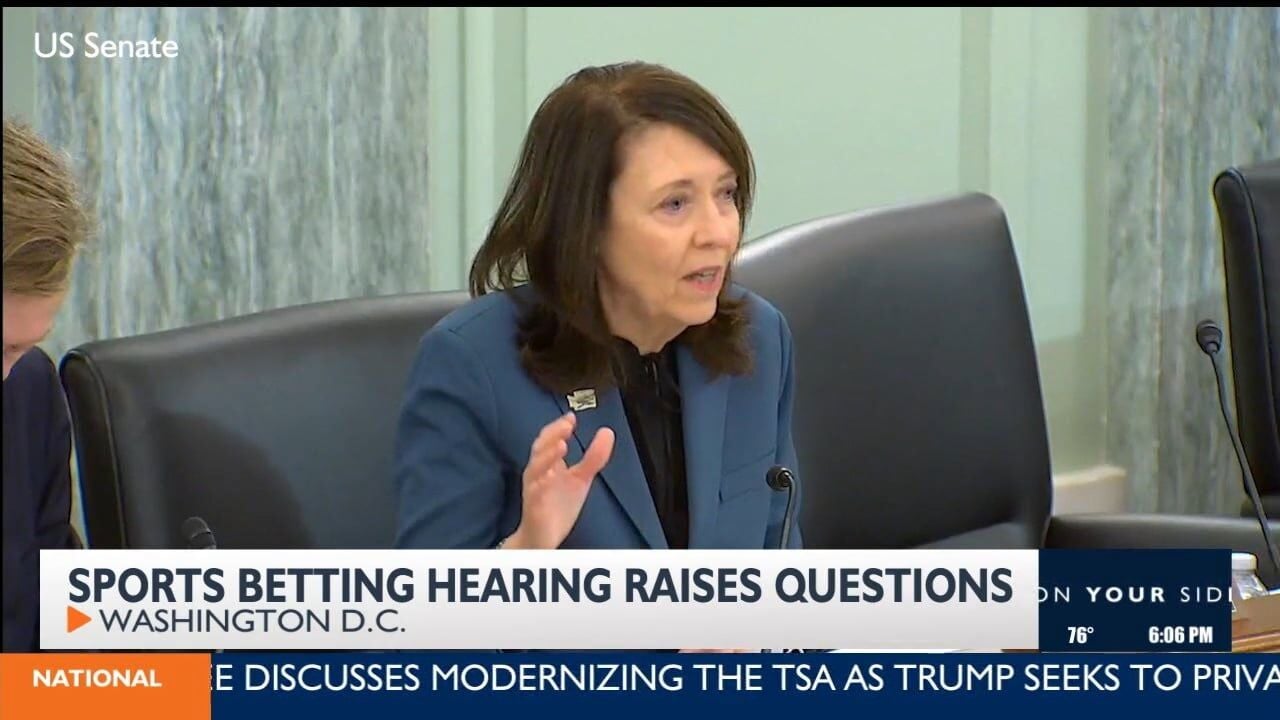
FanDuel Congress Testimony and the Real Questions Behind It
FanDuel Congress testimony matters because lawmakers are no longer treating sports betting like a side issue. They are pressing operators on data access, consumer protections, and how much control the industry should have over a market that now reaches millions of people. That matters to you if you bet, work in the space, or track where regulation is headed. The stakes are practical. Rule changes can affect pricing, promos, account limits, and the tools you use to manage play.
FanDuel’s answers also reveal a bigger fight. Congress wants clearer standards. Operators want room to compete without being boxed in by rules that favor one model over another. And right in the middle is the customer, who usually gets the least polished version of the story. What does that mean for the next round of sportsbook oversight?
- Lawmakers are focused on consumer protection, not just tax revenue.
- FanDuel is trying to show it already has responsible gambling tools in place.
- Data access and market fairness remain hot points.
- The federal role is still limited, but pressure is building.
What FanDuel Congress testimony was really about
Congress is asking whether the sports betting market works the way it should. That sounds abstract, but the questions are concrete. Who gets customer data? How do operators prevent harm? What limits should exist on advertising and player tracking?
FanDuel’s response, according to the Legal Sports Report coverage, was aimed at showing the company already operates with controls and internal standards. That is a familiar posture for a large sportsbook. The company wants to look steady and responsible, not defensive. Smart move. But lawmakers are not asking these questions for theater.
FanDuel is not just defending its business. It is trying to shape the rules before Congress decides it needs to step in harder.
Why the sportsbook data fight keeps coming up
Data sits at the center of modern betting. Operators collect betting patterns, device info, location data, and behavioral signals. That helps with fraud prevention, marketing, and safer play tools. It also raises obvious privacy questions.
For Congress, the concern is simple. If sportsbooks hold most of the useful market data, can regulators or outside researchers even see what is happening? Without that visibility, it is hard to judge whether the market is helping customers or nudging them toward worse outcomes. It is like grading a school by only looking at the final exam scores and ignoring the homework, the attendance, and the behavior in class.
What lawmakers want to know
- How much customer data sportsbooks collect.
- Whether that data is shared with regulators or researchers.
- How operators use the data to target ads or retention offers.
- What limits exist on use of sensitive personal information.
And here is the uncomfortable part. If you run a sportsbook, you want data to sharpen the product. If you regulate a sportsbook, you want that same data to prove the product is safe. Those goals can collide fast.
FanDuel Congress testimony and responsible gambling claims
Responsible gambling is now a core part of the industry pitch, not a side note. FanDuel has leaned into that message for years, pointing to deposit limits, time-outs, self-exclusion tools, and educational resources. The issue is not whether those tools exist. It is whether they work well enough at scale.
That is where congressional scrutiny gets serious. A sportsbook can say it offers protections, but lawmakers want to know how often players use them, how clearly they are presented, and whether the company steps in when behavior turns risky. One-size-fits-all solutions do not hold up well here.
Real protection needs friction at the right moments. Not too much, not too little.
Look, this is where the industry often talks past the public. A clean-looking app does not automatically equal a safe product. If the path from sign-up to live wager is too slick, the safeguards have to be real, visible, and easy to trigger.
What this means for the betting market
Short term, don’t expect Congress to rewrite sports betting law overnight. Federal action moves slowly, especially when states already control most of the market. But testimony like this can still reshape the conversation in a seismic way. It gives lawmakers a record to point to later.
That record matters for three reasons. First, it can influence hearings on advertising and consumer protection. Second, it can push regulators to demand better reporting. Third, it can affect how operators design products in states that are watching the federal debate closely.
Likely pressure points ahead
- Stricter rules on sportsbook marketing.
- More scrutiny of player data use.
- Tougher expectations for problem gambling safeguards.
- New calls for transparency around account restrictions and risk flags.
But the biggest shift may be cultural. Operators spent years selling speed, convenience, and breadth of options. Now they have to sell restraint too. That is a harder pitch, and one that will probably stay under review.
Why this matters to you
If you are a bettor, this could affect the apps you use and the controls you see. If you work in betting, it affects compliance, product design, and customer retention. If you are a policymaker, it is a reminder that market growth does not solve oversight problems by itself.
The next moves will tell you a lot. Watch for follow-up letters from lawmakers, changes in state regulator questions, and any new reporting on how operators handle risky play signals. That is where the real story will unfold, not in the polished hearing clips.
What Congress will press next
The hearing answers are only the first round. The next one is tougher. Can the industry prove it can police itself without a patchwork of rules that vary wildly by state?
That question is not going away. And if Congress keeps circling the same issues, the sportsbooks that prepare now will have an edge when the rules finally get sharper.