Ontario Youth Mental Health and Gambling Rise
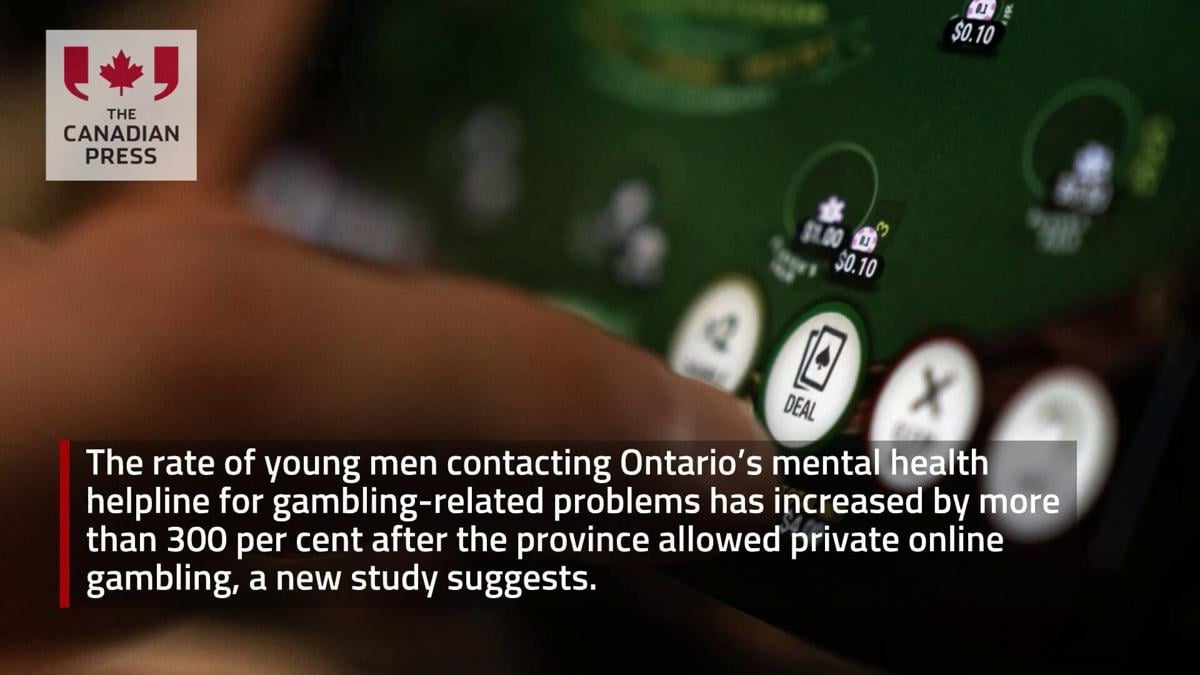
Ontario youth are showing better mental health than they did in 2020, but another trend is moving the wrong way. Gambling is rising among young people, and that matters because early habits can harden fast. The mainKeyword here is Ontario youth mental health and gambling rise, and it points to a real tension in the data. You have fewer signs of distress than during the worst pandemic years, yet more teens and young adults are stepping into betting apps, sports picks, and casino-style games. Why does that matter now? Because the gap between feeling better and gambling more can hide problems until they are already expensive, personal, and hard to unwind.
What the numbers suggest
- Mental health appears to have improved from the low point of 2020, when isolation and disruption hit hard.
- Gambling participation is climbing among youth, which raises exposure to loss chasing and risky play.
- Easy mobile access makes betting feel normal, fast, and low-friction.
- Prevention matters early, before casual play turns into repeat behavior.
The big story is not that one trend cancels out the other. It does not. Better self-reported mental health can coexist with more gambling because the triggers are different. A young person may feel less isolated than they did in 2020 and still start betting on hockey or slots during downtime. That is the part policy makers, parents, and school leaders need to watch.
Why the mainKeyword matters to schools and families
Ontario youth mental health and gambling rise should not be read as a neat cause-and-effect story. It is messier than that. Some young people gamble for fun, some for peer status, and some because betting feels like a shortcut to money they do not have. And once an app is on a phone, the barrier to entry is tiny (which is exactly the problem).
Easy access changes behavior. When betting is one tap away, the line between entertainment and habit gets thin fast.
Schools can spot this sooner than most adults think. Watch for money talk that sounds more urgent, constant sports betting chatter, or students treating losses as something they can win back on the next game. Families should do the same at home. Not with panic. With direct questions.
How youth gambling habits form
Think of it like setting a bowling pin in the middle of a hallway. If you keep walking past it, sooner or later someone bumps it. Gambling apps, influencer clips, and sports ads create repeated contact, and repeated contact changes what feels normal.
That is why the rise in gambling among youth is not just a finance issue. It is a behavior issue. A teenager who starts with a small sports wager may not see a problem. But the logic of betting invites escalation. If you lose, you want to recover. If you win, you want to repeat it. Simple. And dangerous.
What often pushes the behavior
- Peer pressure, especially around major games and live events.
- Marketing saturation, including odds language and promo offers.
- Boredom and stress, which can make quick-risk activities attractive.
- False confidence, where a few wins create a sense of control.
What Ontario can do next
Better mental health numbers should not make anyone complacent. The sharper move is to use the good news as a window for prevention. That means clearer school lessons on odds and risk, earlier family conversations, and rules that treat betting exposure like a real youth issue, not a niche vice topic.
Policy also needs to keep up. Age gates matter, but so does ad pressure around sports. If the front door stays open and the marketing is loud, you should not be surprised when young people step inside. Honestly, what did anyone expect?
The next question is not whether youth mental health improved since 2020. It clearly did for many. The real test is whether Ontario can stop gambling from becoming the new normal before the costs start showing up in classrooms, homes, and clinics.
What to watch from here
Look for three signals: more student complaints about money stress, more casual betting talk around sports, and more friction between parents and teens over app use. If those rise together, the pattern is not random. It is a warning sign.
Ontario youth mental health and gambling rise should push leaders to act while the trend is still manageable. Wait too long, and the bill gets bigger. The next move belongs to schools, parents, and regulators. Will they treat this like a passing headline, or a real early signal?