Prince William White Tie and Tails: What It Signals
Prince William white tie and tails is not a minor style note. It is a signal, and if you follow royal coverage, you know those signals matter. The outfit tells you about ceremony, hierarchy, and the specific kind of public moment the palace wants to project. It also tells you something about how the monarchy still works in 2025, where image and protocol can do a lot of quiet political labor.
That is why this detail deserves more than a passing glance. White tie is rare. It is rigid. And it is loaded with meaning. What looks like formalwear is really a script, written for cameras, diplomats, and everyone reading between the lines.
What stands out about Prince William white tie and tails
- White tie is the most formal dress code in Western menswear.
- Tails and a white bow tie place William inside a narrow protocol lane.
- The choice signals continuity with court tradition, not casual modern branding.
- These details shape how the public reads rank and occasion.
Why Prince William white tie and tails matters now
Royal clothing is a kind of public shorthand. A blazer says one thing. Morning dress says another. White tie says the event is at the top of the formal ladder, usually reserved for state occasions, major ceremonial dinners, or events tied to deep institutional tradition. That is not costume. It is code.
And code matters because the monarchy trades on symbolism more than almost any other public institution. A well-cut suit can feel relaxed. White tie cannot. It is more like a cathedral than a café, built for ritual, not ease. Why would the palace choose that level of formality unless it wanted the moment to feel elevated?
White tie does one job very well. It turns a person into part of an institution.
What the dress code actually says
The rules behind the look
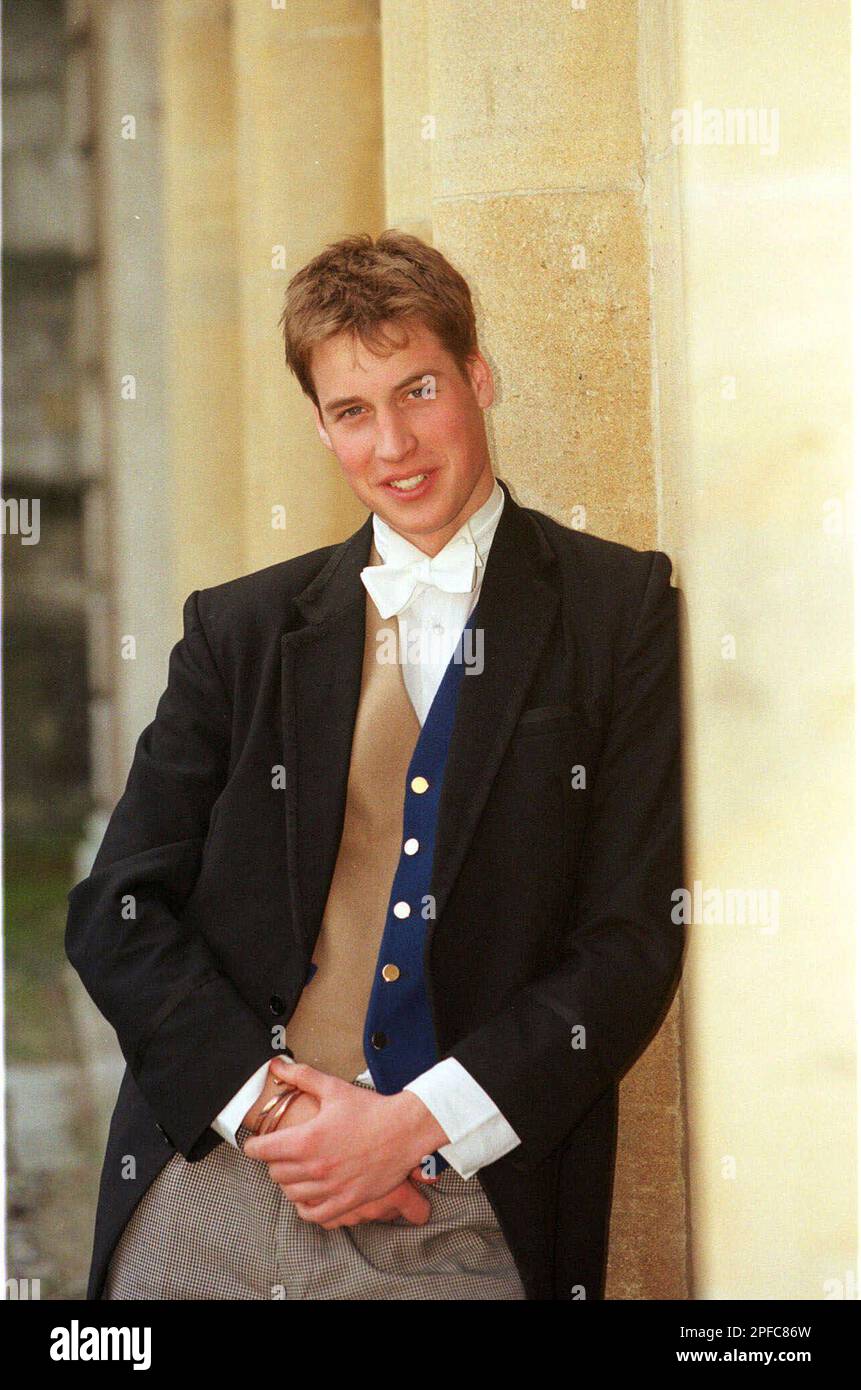
White tie usually means a black tailcoat, white piqué vest, white bow tie, white wing-collar shirt, and formal black trousers with a satin stripe. The ensemble has barely changed in generations. That stability is the point.
For William, wearing white tie and tails places him inside a tradition that rewards discipline over personality. There is little room for improvisation. Even small changes stand out, which is why royal fashion watchers notice them so quickly.
How the public reads it
The audience does not need a dress-code manual to understand the message. People can tell this is not everyday ceremonial wear. They read status, occasion, and intent almost instantly. That is the power of visual hierarchy.
Think of it like architecture. A grand stone entrance changes how you approach a building before you even touch the door. White tie works the same way. It prepares the audience for ceremony before anyone speaks.
Prince William white tie and tails in the royal playbook
The royal family has always used dress to reinforce roles. King Charles has long favored deep formalism for state occasions. Queen Camilla often appears in polished, traditional looks that fit the same logic. William’s white tie appearance fits that pattern, but it also serves a different purpose. It marks him as a future king who knows the old rules and can wear them without fuss.
That matters because royal legitimacy is partly visual. If William looked out of place, the whole performance would wobble. He does not. He looks comfortable inside the protocol, which is a form of competence the palace values highly.
It is easy to dismiss this as surface dressing. But surface is the message here.
How this compares with modern celebrity dress
Most public figures now try to look approachable. They want open collars, soft tailoring, and just enough polish to seem effortless. Royal white tie does the opposite. It insists on distance. It asks for formality, not relatability.
That contrast is useful. It shows that the monarchy is not competing on the same field as entertainment culture. It is playing a different game, with different scoring. One side wants trend; the other wants continuity.
- Celebrity dressing aims for personal brand.
- Royal dressing aims for institutional memory.
- White tie sits near the top of that second category.
And yes, that can feel old-fashioned. But old-fashioned is sometimes the point.
What to watch next
If William keeps appearing in this level of formalwear, it suggests the palace wants to emphasize order, succession, and state seriousness. If he shifts toward slightly less rigid dress at similar events, that would tell you something else. Royal style is never random. It is calibrated.
Look closely at the next few formal appearances. Does the outfit stay strict, or does it soften at the edges? That answer will tell you more than a press release ever will.
The real question is not whether Prince William can wear white tie and tails. It is what the monarchy wants that image to do next.