NYC Casino Licenses: What the NYS Gaming Board Approval Means
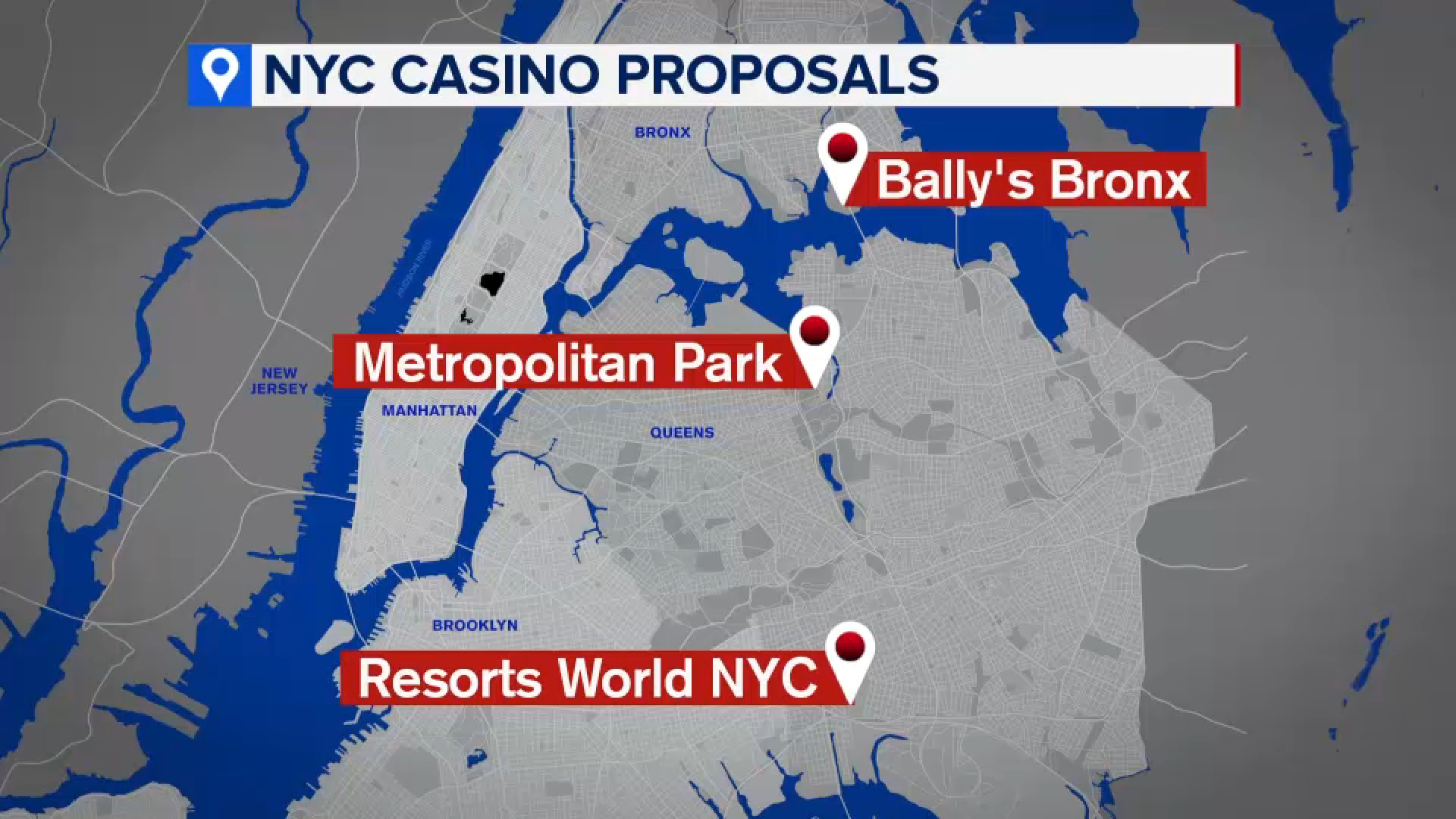
The fight over NYC casino licenses just moved from theory to the hard part. The state gaming board has approved the path forward, and that changes the stakes for developers, local officials, workers, and nearby neighborhoods. Money, jobs, traffic, zoning, and political pressure are all heading into the same narrow lane. If you have been following the bidding process, this is the point where the project stops being a headline and starts becoming a series of deadlines, hearings, and votes.
Why does that matter now? Because once a process like this gains momentum, it tends to favor groups that can move fast, line up community support, and keep their plans clean under scrutiny. And that scrutiny will be real. Who gets a license, where the casino lands, and what public concessions are made will shape the city for years.
- NYC casino licenses are now closer to reality, but they still face local and state hurdles.
- Applicants will need more than deep pockets. They need zoning, community backing, and political discipline.
- Neighborhood impact will drive the debate, especially around traffic, jobs, and public safety.
- The state process rewards projects that look financeable, credible, and ready to build.
- The next round of decisions will expose which bids were serious and which were theater.
Why the NYS Gaming Board move matters
This approval does not hand out casino licenses yet. It opens the door wider and puts pressure on the applicants to prove they can clear the rest of the process. That sounds procedural, but it is not. In practice, it filters out weak bids and forces real-world commitments on land use, labor, and financing.
Look at it this way. A casino bid is like a building permit for a skyscraper, except the foundation includes politics, public opinion, and market demand. If any one of those cracks, the whole thing gets messy fast.
The state has been cautious for a reason. New York City is not a blank slate. It already has layered transit strain, dense neighborhoods, and fierce competition for development sites. So any proposal that ignores those facts will get hammered.
What applicants need to win NYC casino licenses
Winning one of the NYC casino licenses is not just about offering the biggest tax check. Developers need a package that can survive public review and investor due diligence at the same time. That is a much tougher test than a press release makes it sound.
- Land control. The site has to be real, reachable, and legally workable.
- Local support. Community boards, elected officials, and labor groups can shape the outcome.
- Financing. A big promise means little if lenders get nervous.
- Operations plan. Regulators want to see security, staffing, and compliance built in.
- Public benefit package. Jobs, transit fixes, and neighborhood investments will matter.
One weak link can slow everything down. And delays are expensive. A project that looks polished in a brochure can fall apart once lawyers, planners, and residents start asking direct questions.
“The best-funded bid is not always the best-positioned bid. In New York, the cleaner the politics, the better the odds.”
Where the real friction will come from
Expect the loudest fights to center on traffic, congestion, and quality of life. Those arguments are familiar, but they still land because they hit daily reality. People do not experience casino promises. They experience bus delays, street noise, and more pressure on already busy blocks.
There is also the employment question. Casino backers will highlight construction jobs and permanent staffing. Critics will push back on whether those jobs are stable, local, and worth the tradeoff. Both sides will frame the numbers to fit their case, so you need to look at the details, not the slogans.
And then there is political timing. City and state leaders often support economic development in principle, but they move carefully when projects can anger voters. That tension is exactly why the next phase matters so much.
How to read the NYC casino licenses process now
If you want to track this like a pro, watch the process in layers. The gaming board vote is only one checkpoint. Local land-use approvals, community input, and financing milestones are where many proposals lose momentum. One clean vote does not mean the finish line is close.
What to watch next
- Site-specific approvals and zoning steps.
- Public hearings where opponents and supporters show their numbers.
- Labor agreements that may sway local backing.
- Capital commitments from partners and lenders.
- Revisions to traffic, transit, and public safety plans.
If a bidder keeps changing its pitch, that is a warning sign. Strong projects tend to get sharper over time. Weak ones keep changing shape.
Honestly, this is where the whole thing becomes a test of discipline. The bidders that treat the process like a marathon will likely do better than the ones chasing quick headlines. The city has seen enough shiny promises to know the difference.
What this means for New York residents and investors
For residents, the question is not whether a casino can generate revenue. It can. The real issue is whether the tradeoff makes sense for the block, the district, and the city budget over time. That is a harder call, and it deserves more than campaign talk.
For investors and operators, the message is plain. Regulatory approval is necessary, but not sufficient. They need patience, clean documentation, and a plan that works after the ribbon cutting. Who wants to bet on a project that cannot survive a public hearing?
The next few months will show whether the strongest bids can stay standing under pressure. That is the part worth watching now, not the victory laps.
What happens next
The approval sets the race in motion, but it does not decide the winner. The bids that survive will be the ones that can answer simple questions without dodging: Why this site? Why this operator? Why should the neighborhood trust the numbers?
Those questions will not go away. If anything, they are just getting louder.