Georgia Prediction Markets Guide
If you are trying to understand Georgia prediction markets, you are probably running into the same mess everyone else does. The idea sounds simple. You trade on the outcome of an event. Then you hit the wall of state rules, platform limits, and vague marketing language that makes everything sound easier than it is. That matters now because more people are looking at event contracts, sports-related markets, and political forecasts as trading tools, not just novelty bets. But the line between a market and a wager can be thin. Very thin. So if you live in Georgia or plan to trade from there, you need to know what actually applies before you click anything.
What to know about Georgia prediction markets
- Prediction markets let you trade on outcomes such as elections, sports, or economic events.
- State law can affect access, even if the platform is based elsewhere.
- Platform rules matter because some markets block users in specific states.
- Regulatory treatment is still changing, especially for event contracts and online wagering products.
How Georgia prediction markets work
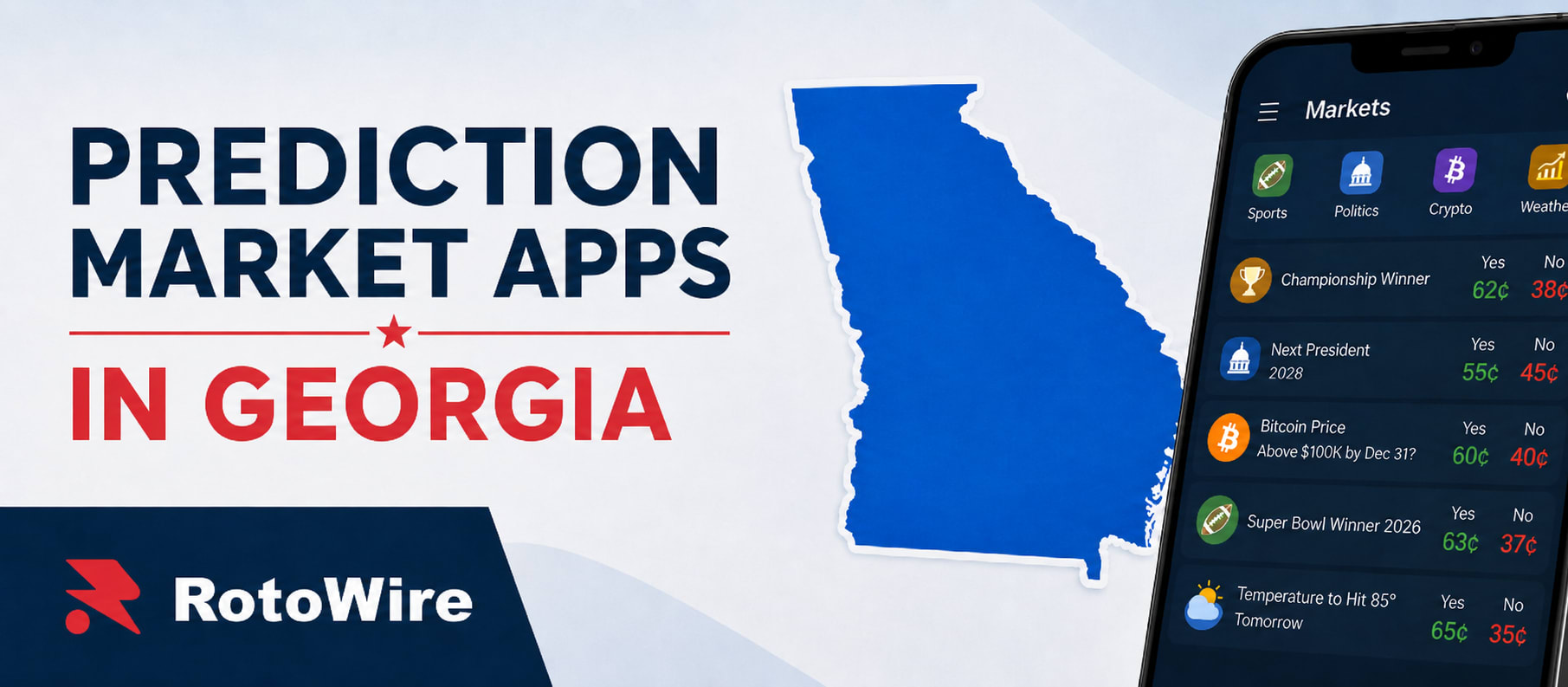
Prediction markets usually price a yes-or-no contract between 0 and 100 cents. If the event happens, the contract settles at 100. If it does not, it settles at 0. That structure makes the market look a bit like a stock exchange, except the asset is tied to a future event instead of a company.
Think of it like a scoreboard with a live price tag. The price reflects what traders think is most likely, and that price moves as new information comes in. A poll drops, a court rules, a player gets injured. The market reacts fast.
That speed is the appeal. But speed also brings risk. If you do not understand settlement rules, data sources, or what counts as a valid outcome, you can lose money on a contract you thought was obvious. Why take that risk blind?
Georgia prediction markets and the legal gray zone
Georgia does not have a simple, public rulebook that says every prediction market is allowed or banned in the same way. The real issue is how the product is classified. Is it a financial derivative, a betting product, or something else entirely? That classification can trigger oversight from different regulators, including the Commodity Futures Trading Commission at the federal level, plus state gaming rules.
For a Georgia user, the most useful question is not, “Is this platform legal in the abstract?” It is, “Does this platform accept Georgia residents, and under what rule set?”
That distinction is non-negotiable. A platform may be live in the U.S. but still block Georgia accounts. It may allow political markets but not sports markets. It may require identity checks that confirm your residence and stop the session before funding. Read the terms, then read them again.
And do not assume that offshore access solves the problem. It often creates a bigger one.
What types of markets people look at
Users usually split their attention across a few common event types:
- Politics, such as election outcomes, debate results, or policy votes.
- Sports, including tournament winners or season milestones.
- Economics, such as inflation readings, Fed rate moves, or unemployment data.
- Culture and media, like award winners or box office totals.
Not every market gets the same treatment. Sports-linked contracts often draw the most scrutiny because they can look a lot like betting. Political markets can also draw heat because they test the boundary between forecasting and speculation. The cleaner the market design, the easier it is to defend. The messier it is, the harder it becomes.
Georgia prediction markets: what to check before you trade
1. Residency rules
Confirm whether the platform accepts Georgia residents. Some firms use address verification, bank checks, or ID review to block ineligible users.
2. Market scope
Find out what you can trade. A platform may allow economic events but prohibit sports, elections, or local outcomes.
3. Settlement source
Check how the contract resolves. Does the platform use official government data, a news outlet, or its own internal decision? That source decides who wins the contract.
4. Fees and liquidity
Low liquidity can turn a simple trade into a grind. If nobody is on the other side, you may not get the price you want, or any price at all.
5. Tax records
Keep records from the start. Trades, fills, withdrawals, and losses all matter when tax season arrives.
Do the boring part first. It saves you later.
Why regulators care so much
Prediction markets sit in a strange spot. They can help people aggregate information, which is useful. They can also mimic gambling, which brings tighter rules. That tension is why regulators pay attention to contract design, user location, and whether the platform looks more like a financial venue or a sportsbook.
For Georgia users, the safest posture is simple. Treat every platform as if it has its own local rulebook, because it does. One exchange may be fine with election contracts. Another may reject them outright. A third may geo-block the state. The details are the product.
How to approach Georgia prediction markets without getting burned
Start small. Use one market, not five. Watch how pricing moves before you add size. If the platform offers historical charts or resolution notes, study them. That prep is the difference between informed trading and guesswork dressed up as strategy.
Here is the thing. Prediction markets reward discipline more than hot takes. A sharp opinion is not the same as a tradable edge. If you cannot explain why a contract is mispriced, you probably do not have a trade. You have a hunch.
Keep your process simple:
- Verify Georgia access.
- Read the resolution rules.
- Check the source of settlement data.
- Review fees before entering size.
- Track every trade for tax reporting.
That is not flashy. It is effective.
What to watch next
The market will keep changing, especially if regulators tighten their view of event contracts or platforms expand into more sensitive categories. That means the Georgia prediction markets story is still moving. If you trade, stay close to the platform rules and the legal posture, not just the price chart. The smart money watches both. And if the rules shift again next quarter, will your setup still work?